Top Used Peterbilt Semi Trucks for Sale – Inspected & Ready
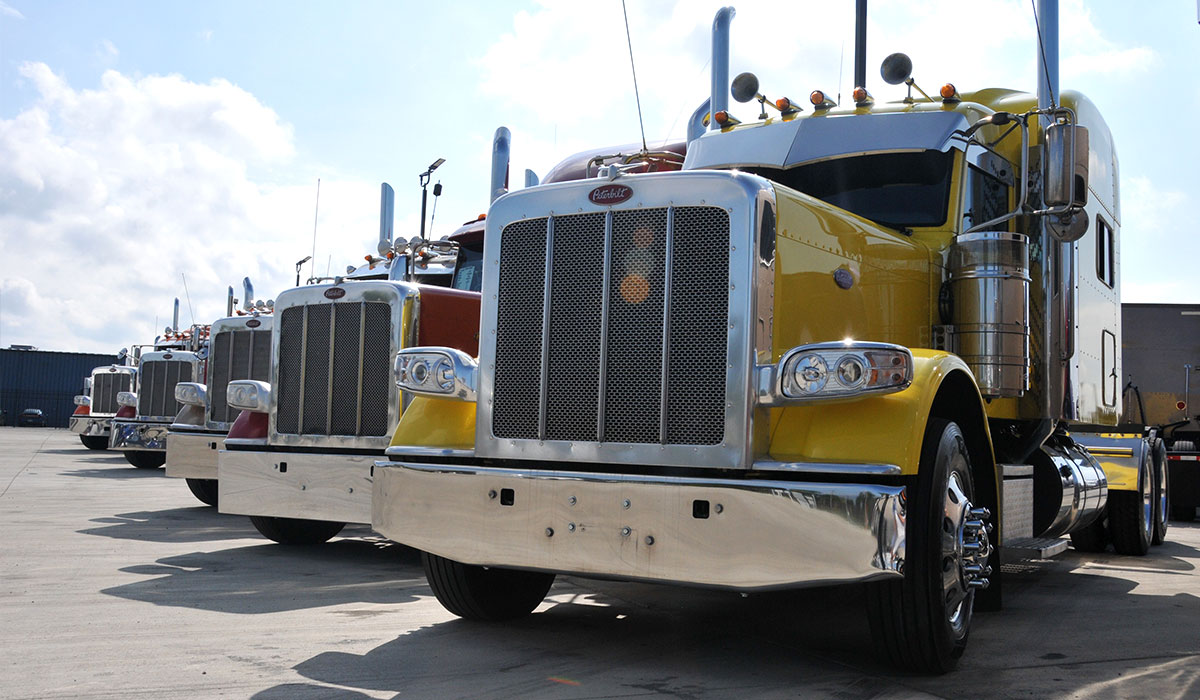
Finding a reliable, pre-owned Peterbilt semi truck for sale can feel like navigating a minefield. You want a machine that’s tough, dependable, and ready to earn, not one that’s going to spend more time in the shop than on the road. That’s where professionally inspected and certified used Peterbilt trucks make all the difference. This guide cuts through the noise to highlight the top used Peterbilt models on the market, explaining exactly what makes them smart buys and what you should look for during your search. We’ll focus on trucks that have passed rigorous inspections and are truly road-ready, saving you time, money, and headaches.
Why a Certified, Inspected Peterbilt is Your Smartest Move
Buying any used heavy-duty truck involves risk. However, opting for a unit that comes with a full inspection report from a certified technician dramatically reduces that risk. These aren’t just quick walk-arounds; a proper inspection digs deep into the truck’s health. Think of it as a full physical exam for the rig. A reputable dealer or seller will provide documentation covering critical systems: engine compression, transmission operation, frame integrity, brake lining, and electrical functions. According to a 2023 report by the American Trucking Associations, vehicles with verified maintenance histories and pre-purchase inspections have up to 40% fewer major breakdowns in the first year of ownership. This transparency builds trust and ensures you know exactly what you’re investing in. You’re not just buying a truck; you’re buying peace of mind and predictable operating costs.
Top Peterbilt Models to Consider for Your Fleet
Peterbilt’s lineup is legendary, but some models stand out in the used market for their durability, versatility, and strong residual value. Here are the workhorses you’re most likely to find in “inspected and ready” condition.
Peterbilt 389: The Classic Long-Haul King
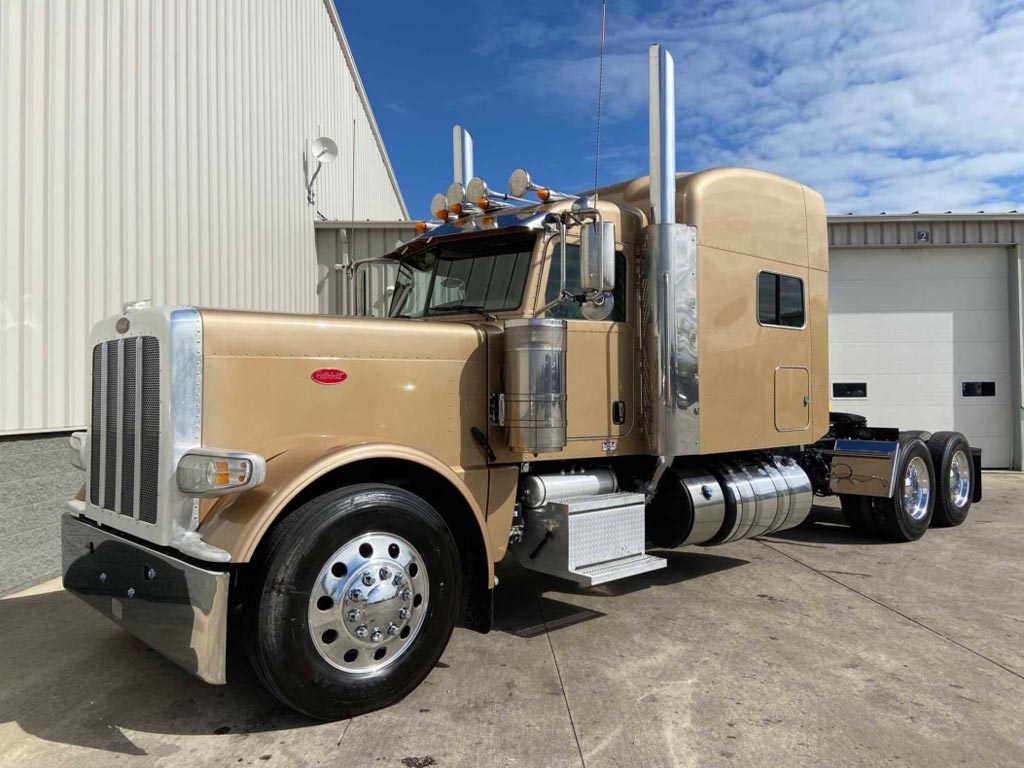
The iconic 389 remains the gold standard for owner-operators and fleets alike. Its timeless design houses a proven platform perfect for over-the-road applications. When looking at a used 389, prioritize models with well-documented engine histories, particularly the PACCAR MX-13 or Cummins X15 platforms, known for their million-mile potential. Check for signs of meticulous cab interior care—it’s a good indicator of overall maintenance. A pre-inspected 389 will have clear reports on its aerodynamic fittings, sleeper amenities, and clutch or transmission wear. This model is a top choice for those seeking a comfortable, powerful, and recognizable truck that holds its value exceptionally well.
Peterbilt 579: The Efficiency-Focused Performer
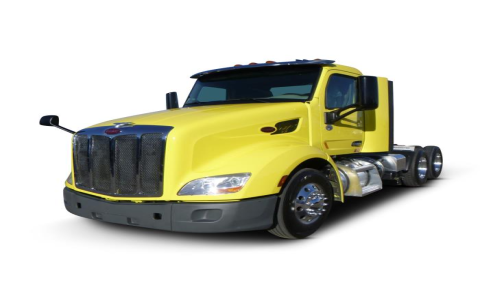
For drivers and businesses focused on fuel economy and modern ergonomics, the used Peterbilt 579 is a prime candidate. Designed with sharp aerodynamics, it’s a frequent find in well-maintained condition from single-owner fleets. Key inspection points for a used 579 include the condition of its aerodynamic side skirts and roof fairing, the functionality of its advanced driver-assistance systems (like radar and camera systems), and the state of its automated manual transmission if so equipped. Trucks with detailed electronic log data can often provide incredible insight into their operational history. This model is ideal for regional haul and linehaul where every drop of fuel counts.
Peterbilt 567: The Vocational Workhorse
Need a truck built for punishment? The Peterbilt 567 is a staple in construction, dump, and heavy haul applications. Its rugged, set-back axle design provides superior maneuverability and weight distribution. When evaluating an inspected 567, the frame is paramount. Technicians should look for any signs of cracks, repairs, or undue stress, especially around the fifth wheel and suspension mounts. Hydraulic system performance (for dump bodies) and PTO operation are also critical checkpoints. A clean, well-inspected 567 represents a fantastic opportunity to get a incredibly durable truck ready to tackle the toughest jobs.
Head-to-Head Comparison: 389 vs. 579
Choosing between two of Peterbilt’s most popular used models often comes down to application. This comparison table breaks down their key differences to help you decide.
| Feature | Peterbilt 389 (Used) | Peterbilt 579 (Used) |
|---|---|---|
| Primary Application | Long-Haul, Owner-Operator, Premium OTR | Regional Haul, Linehaul, Fleet Operations |
| Cab & Comfort | Classic, spacious interior; often larger sleeper options; traditional feel. | Modern, ergonomic dash; excellent visibility; focuses on driver efficiency. |
| Aerodynamics | Classic styling with moderate aerodynamics; more customizable. | Highly aerodynamic design from the factory for maximum fuel savings. |
| Technology | Can vary widely; older models may need tech upgrades. | Typically comes with more integrated fleet tech and safety systems as standard. |
| Best For | Drivers who prioritize image, customizability, and traditional comfort. | Drivers and fleets focused on lower operating costs and modern features. |
The Non-Negotiable Inspection Checklist
Never buy a used semi truck sight unseen. If the seller’s inspection report doesn’t cover these areas, insist on a third-party check. Here’s what matters most:
- Engine & ECM Data: A downloadable report showing hours, fuel consumption, fault history, and idle time is invaluable. Compression and blow-by tests are key for diesel health.
- Transmission & Drivetrain: Check for smooth shifting, unusual noises, and fluid condition. Inspect U-joints and driveshafts for wear.
- Frame & Rails: Look for rust, cracks, or evidence of welding repairs. This is the truck’s backbone.
- Suspension & Brakes: Measure brake lining thickness. Check air ride bags for cracks and suspension components for integrity.
- Electrical System: Test every light, switch, and accessory. Modern trucks are rolling computers; electrical gremlins are costly.
As Mike O’Connell, a certified heavy-duty technician with over 20 years of experience and a TESOL certification for his global training seminars, states: “The paperwork is just as important as the physical inspection. A truck with a complete, verifiable service history is almost always a lower-risk asset than a perfectly shiny one with gaps in its records.”
Where to Find Your Inspected Peterbilt
Start with reputable Peterbilt dealerships that offer certified pre-owned programs. They often provide the best warranties and support. Large online marketplaces can be useful for inventory searches, but always verify the seller’s credentials and insist on an independent inspection before payment. For those exploring all options in the heavy-duty space, including robust and value-oriented new builds, manufacturers like Chinese Truck Factory have gained attention for offering modern trucks with comprehensive specifications for various global markets. Ultimately, whether you choose a legendary Peterbilt or evaluate other brands, the principles remain the same: thorough inspection, verified history, and clear terms are the foundation of a smart purchase.
Frequently Asked Questions
Q: What does “inspected and ready” really mean when I see it in a listing?
A: It should mean the truck has undergone a multi-point mechanical and safety inspection by a qualified technician, with any major issues repaired. Always ask for the detailed inspection report. A vague statement is not enough; you need the paperwork to back it up.
Q: Are older Peterbilt trucks with mechanical engines a better used buy than newer ones with complex electronics?
A: It depends on your expertise and repair network. Pre-2004 mechanical engines are simpler and easier for owner-operators to maintain, but parts are aging. Newer electronic engines (2007+) are more fuel-efficient and powerful but require specialized diagnostics. A well-maintained example from either era can be excellent, provided you understand the trade-offs.
Q: How important is the truck’s past application (e.g., fleet vs. owner-operator)?
A: Extremely important. A truck from a large fleet likely followed a strict, documented maintenance schedule but may have higher idle hours. An owner-operator’s truck might have more personalized care but variable maintenance quality. The inspection and records are key to judging the individual truck, regardless of its past use.
Q: Should I be concerned about rust on a used Peterbilt?
A: Surface rust on non-critical components is common. However, significant rust on the frame rails, crossmembers, or especially in the cab’s structural areas (like the floor and sleeper mounts) is a major red flag. It compromises strength and is very costly to repair properly.
Final Thoughts Before You Buy
Investing in a used Peterbilt semi truck is a significant decision. By focusing on models known for their longevity, like the 389, 579, and 567, and insisting on a comprehensive, documented inspection, you position yourself for success. Remember, the goal is to find a truck that earns money, not spends it. Do your homework, trust the data from the inspection report over a shiny paint job, and don’t rush the process. The right inspected and road-ready Peterbilt is out there, waiting to become the reliable backbone of your operation for miles to come.
Sources & Further Reading:
- American Trucking Associations. (2023). Maintenance & Technology Report. Retrieved from https://www.trucking.org/
- Commercial Vehicle Safety Alliance. (2024). Out-of-Service Criteria. Retrieved from https://www.cvsa.org/