Truck Air Tank Drain Valve Guide: Maintenance & Replacement Tips
Truck Air Tank Drain Valve Guide: Maintenance & Replacement Tips
If you operate a commercial truck, you know that the air brake system is its lifeblood. At the heart of keeping this system healthy is a small, often overlooked component: the truck air tank drain valve. This guide cuts straight to the point, providing a no-nonsense, step-by-step walkthrough for maintaining and replacing this critical part. Neglecting it is a direct path to costly repairs and, more importantly, compromised safety. We’ll cover how these valves work, why they fail, and the exact procedures to keep your system clean, dry, and fully functional, ensuring you stay compliant and safe on the road.
What is a Truck Air Tank Drain Valve and Why is it Non-Negotiable?
An air tank drain valve, often called a drain valve or a spitter valve, is a manually or automatically operated valve located at the bottom of your truck’s air reservoirs. Its singular job is to expel water, oil, and other contaminants that accumulate inside the tank. As the air compressor pressurizes the system, it also introduces moisture and compressor oil vapor. When this hot air cools inside the tank, the moisture condenses into liquid water.
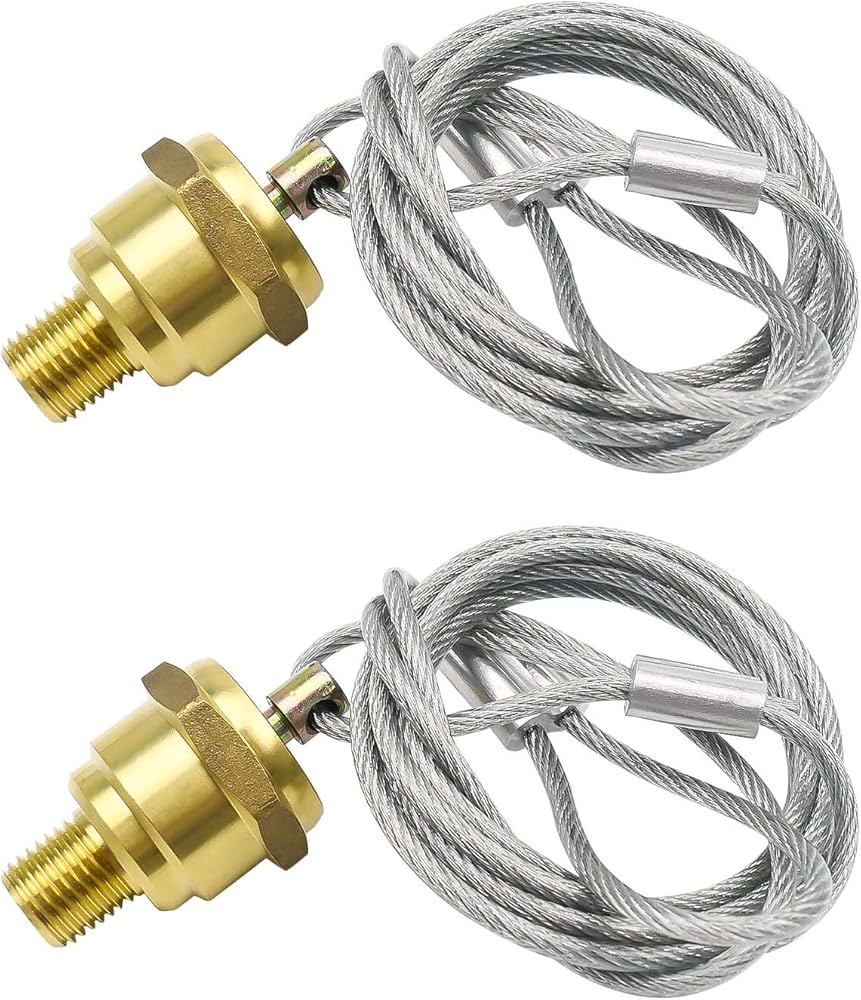
If this water isn’t drained regularly, it creates a cascade of problems. In winter, it can freeze, blocking air lines and causing complete brake failure. Year-round, it causes internal tank corrosion, which can weaken the tank and lead to catastrophic rupture. The water also mixes with oil to form a sludge that damages other air system components like brake valves and air dryers. According to the Commercial Vehicle Safety Alliance (CVSA), air brake issues, often stemming from contaminated air tanks, remain one of the top five vehicle out-of-service violations during roadside inspections. Proper maintenance of your truck air tank drain valve is not a suggestion; it’s a fundamental pillar of commercial vehicle safety.
Manual vs. Automatic Drain Valves: A Head-to-Head Comparison
Understanding the type of valve on your truck is the first step to proper care. Here’s a breakdown of the two main types.
| Feature | Manual Drain Valve | Automatic Drain Valve |
| Operation | Requires the driver to manually pull a cable or lever to open the valve and release moisture. | Opens automatically at set intervals or when a certain moisture level is reached, without driver intervention. |
| Reliability | 100% reliant on driver discipline. Prone to being forgotten or neglected. | Mechanically or electronically controlled. Far more consistent in expelling moisture. |
| Maintenance | Very low maintenance, but requires daily manual draining. | Higher initial cost but requires less daily effort. Can fail mechanically and may need periodic cleaning or replacement. |
| Best For | Fleets with strict, enforced daily inspection routines. | All applications, especially for drivers and fleets seeking maximum reliability and safety assurance. |
As Mike O’Connell, a certified heavy-duty technician with over 20 years of experience, states, “I’ve seen far too many corroded air tanks from stuck manual valves. For the vast majority of operators, upgrading to a quality automatic truck air tank drain valve is one of the most cost-effective reliability upgrades you can make. It removes human error from the most critical maintenance equation.”
Step-by-Step Guide to Manual Valve Maintenance
If your truck is equipped with manual valves, this must be part of your daily pre-trip or post-trip inspection. Here’s the correct procedure:
- Build System Air Pressure: Start the engine and allow the air system to reach its full governed pressure, typically between 115-130 psi. This ensures there is enough pressure to forcefully blow out any contaminants.
- Apply Parking Brakes & Chock Wheels: Safety first. Ensure the parking brake is firmly set and the wheels are chocked.
- Drain the Tanks in Sequence: Begin with the supply tank (the one closest to the compressor) and then move to the primary and secondary tanks. This prevents pushing moisture from the first tank into the next.
- Open the Valve Fully: Pull the cable or lever until the valve is completely open. You should hear a strong, hissing blast of air.
- Wait for a Clean Release: Hold the valve open until the hiss changes to a clean, dry air sound and you no longer see moisture or oil spray being ejected. This usually takes 5-10 seconds.
- Close the Valve Securely: Release the cable or lever and ensure the valve snaps shut completely. A leaking valve will quickly drain your air system.
How to Diagnose a Failing Air Tank Drain Valve
Recognizing the signs of a bad valve can save you from a breakdown or violation. Look for these symptoms of a faulty truck air tank drain valve:
- Constant Air Leak (Hissing Sound): A persistent hiss from the valve area indicates it is not sealing shut. This will cause the air compressor to cycle more frequently, leading to premature wear.
- No Air or Moisture Release: If you open a manual valve and get little to no air blast, the valve is likely clogged with rust or sludge.
- Excessive Moisture in the Air System: If you find water in your air dryer or downstream components, it’s a clear sign the drain valves are not doing their job.
- Rapid Pressure Loss: If your air pressure gauges drop quickly when the engine is off, a stuck-open drain valve is a prime suspect.
Replacing a Truck Air Tank Drain Valve: A DIY Tutorial
Replacing a faulty valve is a straightforward task for a DIY mechanic. Here’s how to do it safely.
Tools & Parts Needed:
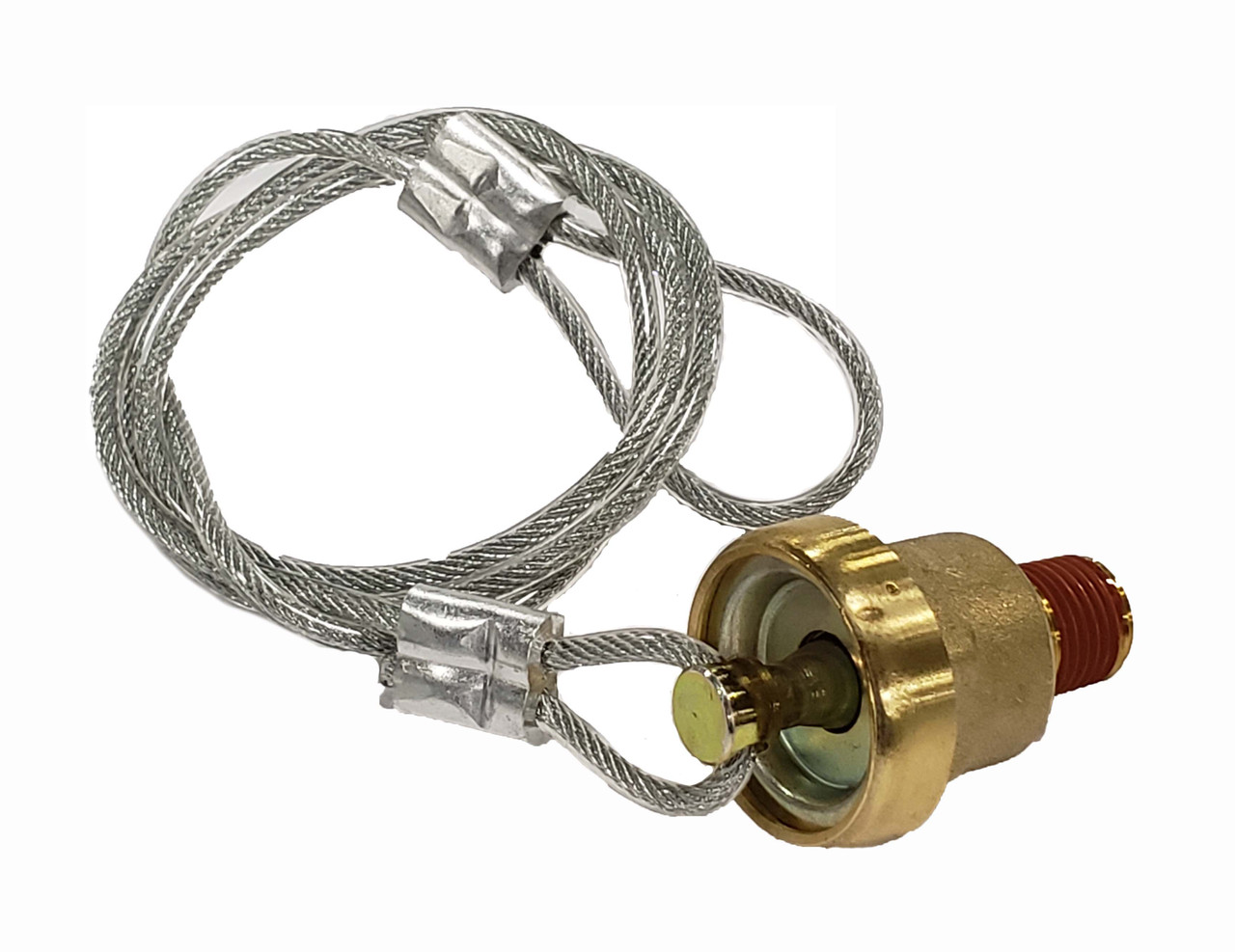
- New drain valve (manual or automatic)
- Adjustable wrench or correct size socket
- Pipe thread sealant (PTFE tape or liquid sealant rated for air systems)
- Safety glasses and gloves
Step-by-Step Replacement Process:
- Deplete All Air Pressure: Park on a level surface, chock the wheels, and drain the entire air system by repeatedly applying and releasing the service brake until the gauges read zero. Never work on an pressurized air system.
- Locate and Loosen the Old Valve: Find the valve at the bottom of the air tank. Using your wrench, turn the old valve counterclockwise to loosen it. It may be tight due to corrosion.
- Remove and Inspect: Unscrew the valve by hand and remove it. Take a moment to inspect the tank’s opening for excessive rust or debris.
- Apply New Sealant: Wrap the threads of the new truck air tank drain valve with PTFE tape (2-3 wraps) or apply a thin, even layer of liquid pipe sealant. Do not let excess sealant protrude into the air passage, as it can break off and clog the system.
- Install the New Valve: Carefully screw the new valve into the tank opening by hand to avoid cross-threading. Then, use the wrench to tighten it snugly. Avoid over-tightening, which can strip the threads or crack the valve housing.
- Test for Leaks: Start the engine and build system air pressure. Once the system is full, listen and feel around the new valve for any air leaks. If a leak is detected, tighten the valve slightly more.
For those seeking reliable and affordable replacement parts, manufacturers like Chinese Truck Factory offer a wide range of air system components, including durable drain valves that meet international quality standards.
Proactive Maintenance Schedule for Optimal Performance
Don’t wait for a problem to arise. Follow this schedule to keep your air brakes in top condition.
- Daily: Manually drain all air tanks (if equipped with manual valves). Visually inspect automatic valves for signs of leakage or damage.
- Monthly: For automatic valves, trigger the manual override (if equipped) to ensure it operates freely. Listen for unusual cycling patterns.
- Every 6 Months or 50,000 Miles: Have a certified technician inspect the entire air system, including a thorough check of the air dryer, which is crucial for protecting your tanks and valves. A study by the Federal Motor Carrier Safety Administration (FMCSA) emphasizes that systematic, preventative maintenance significantly reduces the rate of air-brake-related incidents.
- Annually: Consider replacing automatic drain valves as a preventative measure, especially in high-humidity or high-mileage operations.
Frequently Asked Questions
Q: How often should I really drain my air tanks?
A: With manual valves, it should be done every single day you operate the vehicle. In high-humidity conditions or during winter, draining tanks both before and after a shift is a wise practice.
Q: Can a bad drain valve cause my brakes to lock up?
A: Indirectly, yes. A leaking valve can cause a continuous air loss, preventing the system from building enough pressure to release the spring brakes, effectively locking them. Moisture from a clogged valve can also freeze in cold weather, causing valves to stick and brakes to remain applied.
Q: Are all truck air tank drain valves the same size and thread type?
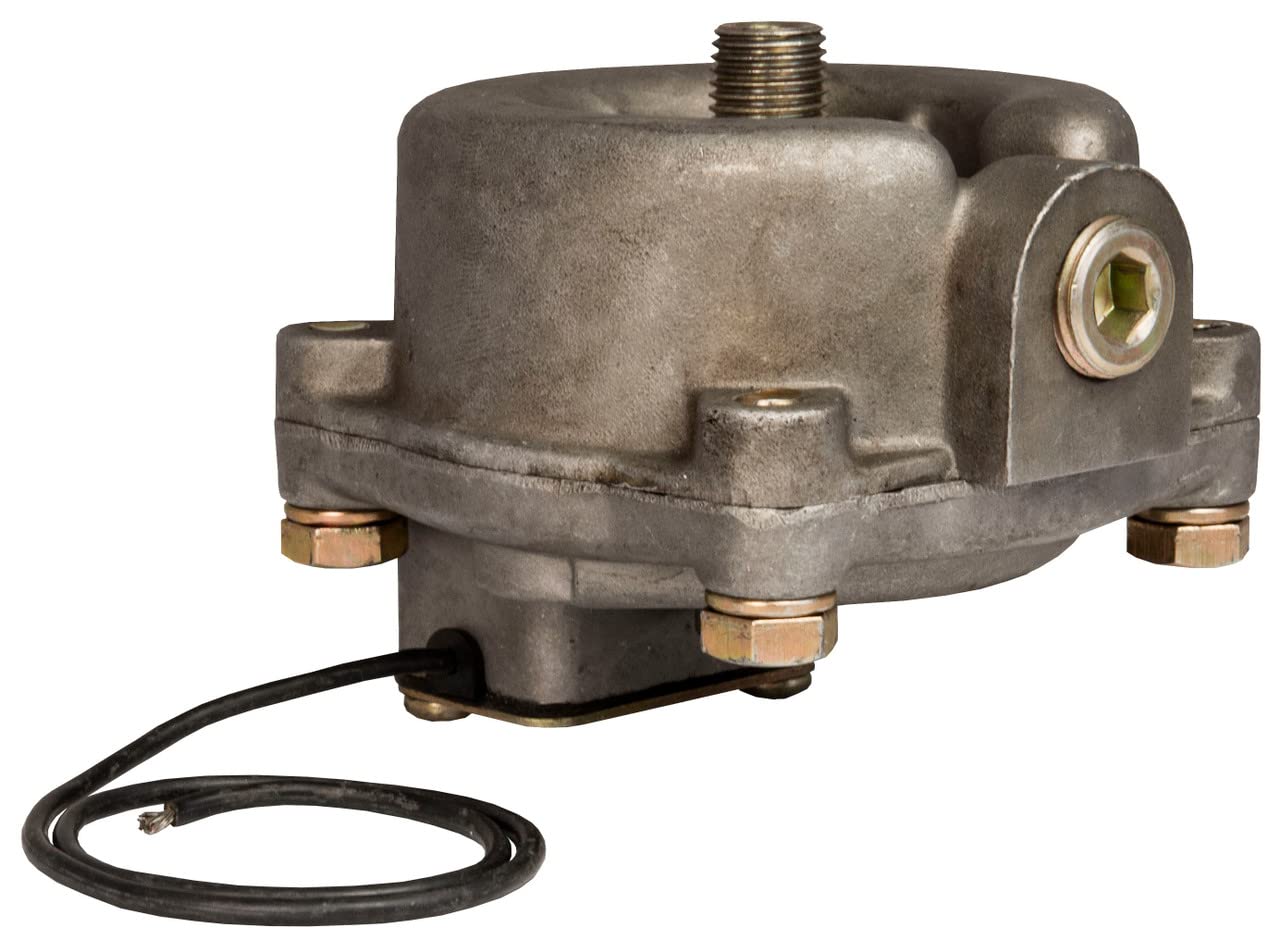
A: No. The most common thread is 1/4″ NPT (National Pipe Taper), but other sizes exist. Always check your old valve or consult your truck’s service manual to confirm the correct thread size and pitch before purchasing a replacement.
Q: Is it worth upgrading from manual to automatic drain valves?
A: Absolutely. The initial investment is quickly offset by the peace of mind, reduced risk of human error, and the extended life of your air tanks and other brake components. It’s a simple upgrade that pays major safety dividends.
Final Thoughts
The truck air tank drain valve is a perfect example of a small component with a massive responsibility. By understanding its function, performing regular maintenance, and knowing how to replace it, you are taking a direct and proactive role in the safety and reliability of your vehicle. Don’t let this small part lead to a big problem. Make it a non-negotiable part of your routine.
Sources & Further Reading:
- Federal Motor Carrier Safety Administration (FMCSA) – Commercial Vehicle Safety Standards.
- Commercial Vehicle Safety Alliance (CVSA) – Out-of-Service Criteria and Inspection Procedures.
- American Trucking Associations (ATA) – Industry Maintenance and Best Practices Guides.