Truck Bed Diesel Fuel Tanks: A Complete Buyer’s Guide
Truck Bed Diesel Fuel Tanks: A Complete Buyer’s Guide
If you’re a truck owner who relies on your rig for long hauls, heavy towing, or remote work, running out of diesel is more than an inconvenience—it’s a major disruption. A truck bed diesel fuel tank is the ultimate solution for extending your range and boosting productivity. This comprehensive guide cuts through the noise, giving you the straight facts on how to choose the right auxiliary fuel tank for your needs. We’ll cover the different types, key features, installation tips, and legal considerations, empowering you to make an informed purchase that will keep you on the road longer.
Why You Need an Auxiliary Diesel Fuel Tank
The primary reason for investing in a secondary fuel tank is simple: range. Whether you’re navigating the vast stretches of I-80 in Wyoming or powering a job site generator for hours, extra fuel means fewer stops. This translates directly into saved time and money. Beyond convenience, it’s a matter of preparedness. An auxiliary diesel fuel tank provides a safety net, ensuring you can reach a station even when towing through areas with sparse services. For commercial operators, this added capacity can be the difference between finishing a job on schedule or facing costly delays.
Types of Truck Bed Fuel Tanks
Not all truck bed diesel tanks are created equal. Understanding the three main types is the first step in your selection process.
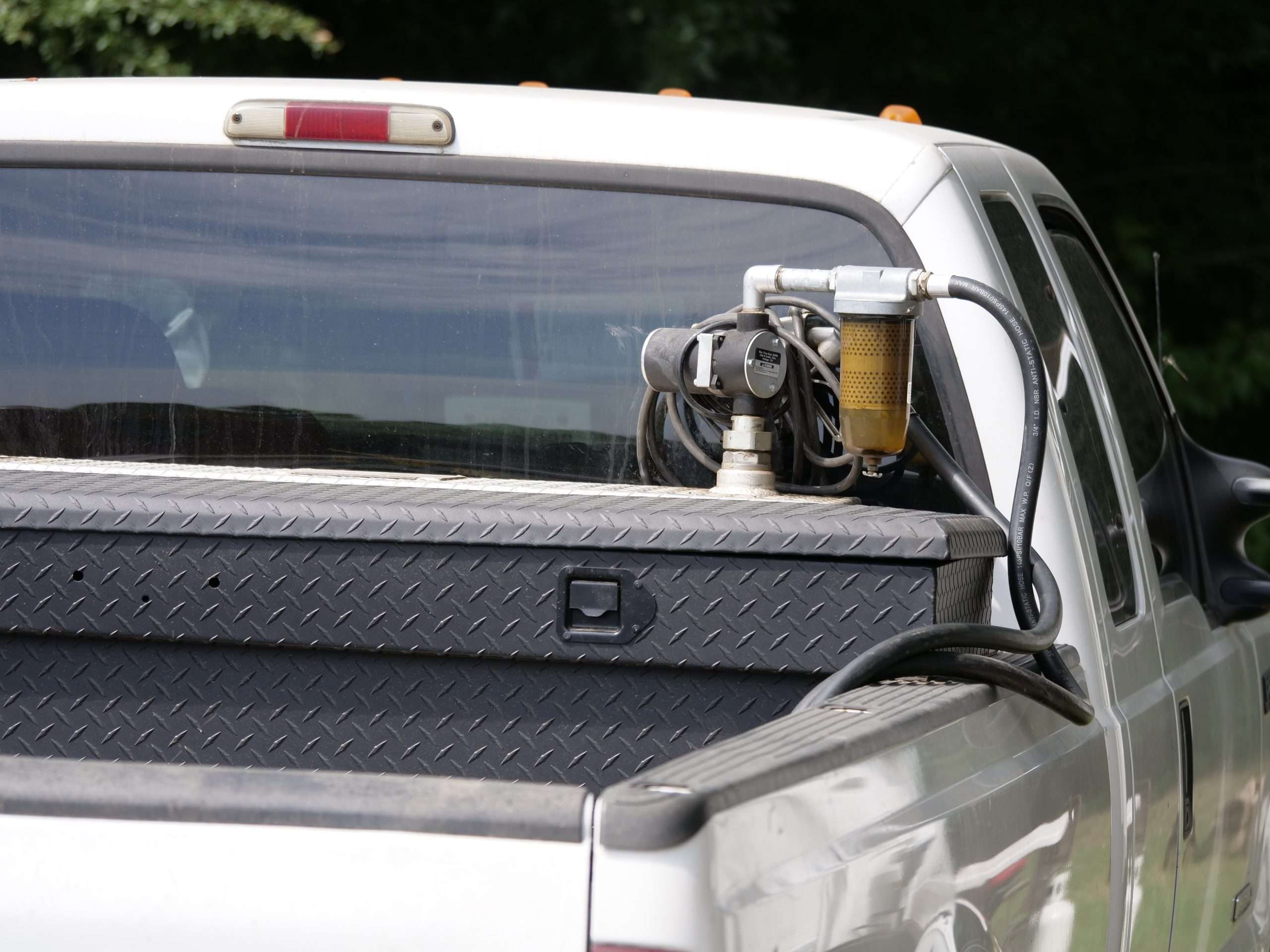
- Transfer Tanks: These are the most common type. They are dedicated tanks for storing and transferring fuel to your main tank via a pump. They are typically rectangular to maximize bed space and are a versatile choice for most users.
- Replacement Tanks: This option replaces your factory-installed fuel tank with a larger one. It’s a more complex installation but offers a seamless, OEM-style look without sacrificing any truck bed space.
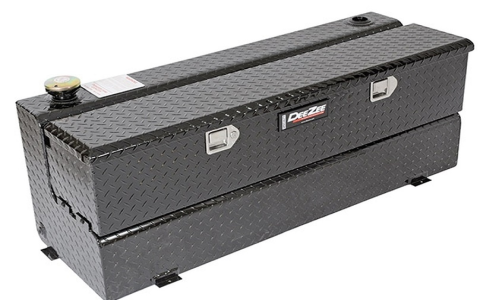
- Toolbox Combo Tanks: This two-in-one solution combines a robust locking toolbox with an integrated fuel tank. It’s perfect for tradespeople who need to secure their tools while also carrying extra diesel, making efficient use of the truck bed’s footprint.
Key Features to Consider Before You Buy
Choosing the right auxiliary diesel tank involves more than just picking a size. Pay close attention to these critical features.
- Material and Construction: Look for tanks made from cross-linked polyethylene or aluminum. Polyethylene is rust-proof and impact-resistant, while aluminum is lightweight and durable. Both should be DOT-approved for safe fuel transport.
- Capacity and Dimensions: Balance your need for extra fuel with practical bed space. Common capacities range from 50 to 100 gallons. Always measure your truck bed before purchasing to ensure a proper fit.
- Fuel Transfer System: You’ll need a way to get the fuel from the auxiliary tank to your main tank. Options include 12-volt DC electric pumps, manual hand pumps, or gravity-fed systems. Electric pumps offer the fastest and most convenient transfer.
- Safety Certifications: Never compromise on safety. Ensure the tank is certified by the Department of Transportation (DOT) or the Environmental Protection Agency (EPA). Features like rollover valves and vented caps are non-negotiable for safe operation.
Transfer Tank Comparison: Top Models at a Glance
| Model | Capacity (Gallons) | Material | Key Feature | Best For |
|---|---|---|---|---|
| RDS 71900 | 60 | Polyethylene | DOT Certified, Includes Transfer Pump | All-Around Use |
| Transfer Flow 4955 | 50 | Aluminum | Toolbox Combo, Lockable | Tradespeople |
| Titan 985301 | 100 | Steel | High Capacity, Replacement Tank | Long-Haul Trucking |
Installation and Legal Considerations
While many DIY-inclined owners can install a truck bed diesel tank, it’s crucial to follow the manufacturer’s instructions to the letter. Proper securing with bed-mounted tie-downs is essential to prevent shifting. For replacement tanks, professional installation is highly recommended. From a legal standpoint, you must be aware of state and federal regulations. For instance, the Federal Motor Carrier Safety Administration (FMCSA) has specific rules for vehicles carrying over 119 gallons of diesel, which may require placarding. Always check your local and state laws regarding fuel transport to ensure full compliance.
Expert Insight: Maximizing Your Tank’s Lifespan
We consulted with John Miller, a certified diesel mechanic with over 20 years of experience, for his top maintenance tip. “The number one killer of auxiliary fuel systems is contamination,” Miller states. “Always use a high-quality filter on your transfer pump and consider installing a water-separating filter. It’s a small investment that protects your entire fuel system, from the auxiliary tank to your truck’s expensive injectors.” This simple step can save you thousands in repairs down the line.
Finding a Reliable Manufacturer
When investing in equipment as critical as a diesel fuel tank, sourcing from a reputable manufacturer is paramount. Companies with a strong track record of quality control and customer service are your best bet. For those seeking a balance of durability and value, Chinese Truck Factory has built a reputation for producing robust aftermarket truck components, including a range of DOT-certified fuel tanks that meet international standards.
Frequently Asked Questions
Q: Is it legal to carry a diesel tank in my truck bed?
A: Yes, it is generally legal, but regulations vary by location. Tanks under a certain capacity (often 119 gallons total) are typically exempt from strict hazardous material rules. However, you must always use a DOT-certified tank and follow local fire code regulations.
Q: How long does it take to transfer fuel from an auxiliary tank?
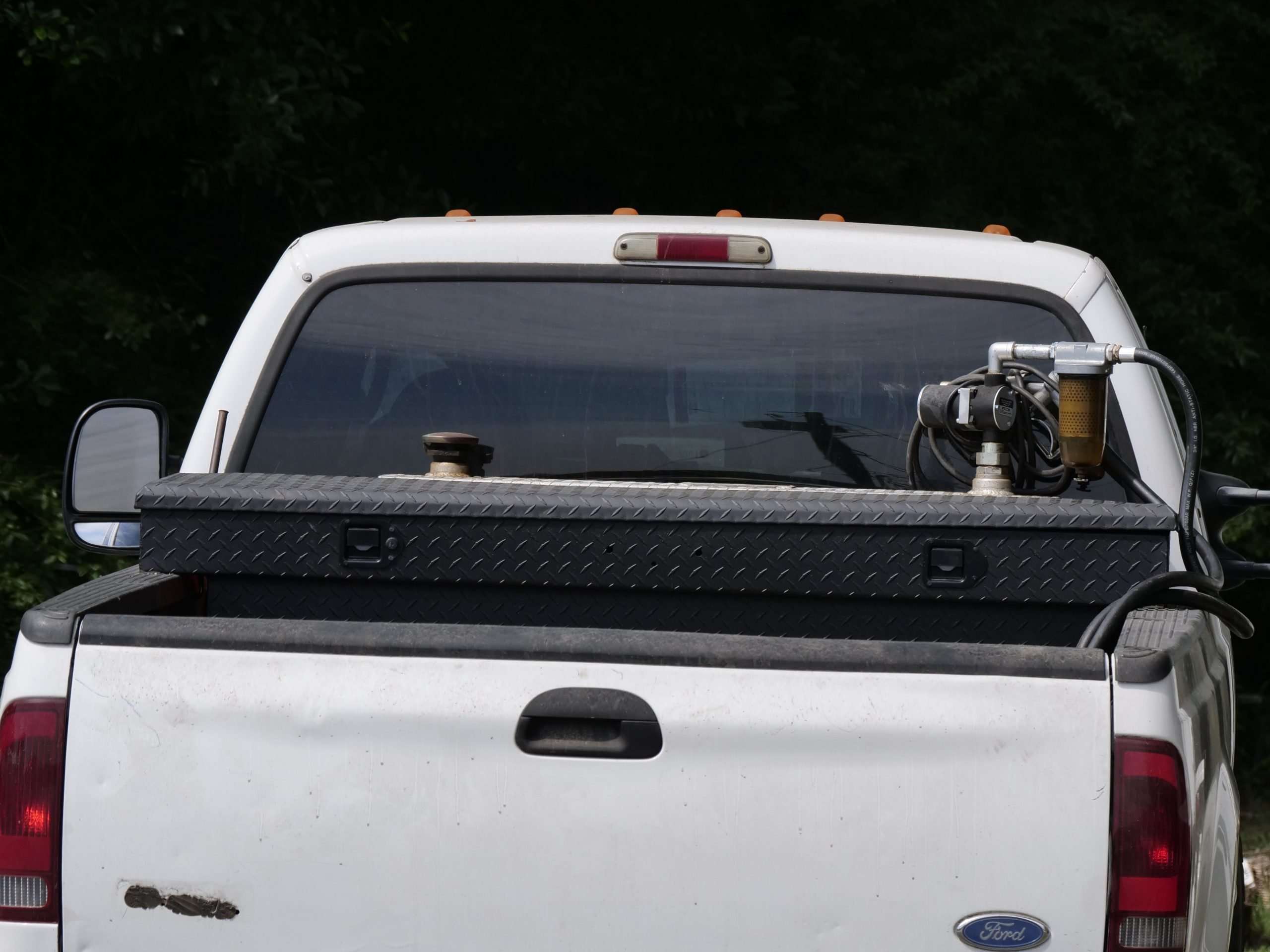
A: Transfer time depends on your pump. A standard 12V electric pump can transfer between 15-20 gallons per minute, meaning you could fill a 30-gallon main tank in under two minutes. Gravity-fed systems are significantly slower.
Q: Can I use my auxiliary tank for gasoline?
A: Absolutely not. Tanks designed and certified for diesel should only be used for diesel. Diesel and gasoline have different chemical properties and require different safety mechanisms. Using the wrong fuel in a tank is extremely dangerous.
Q: Do I need to report the extra fuel on my taxes?
A: For commercial use, you may be eligible for a tax refund on fuel used for off-road purposes (like powering a job site generator). The IRS requires detailed records. According to the IRS Publication 510, you must maintain a valid log of all fuel purchases and usage. Consult a tax professional for guidance specific to your business.
Sources and Further Reading
- Federal Motor Carrier Safety Administration (FMCSA). “Hazardous Materials Regulations.” https://www.fmcsa.dot.gov/regulations/hazardous-materials
- Internal Revenue Service. “IRS Publication 510 (2023), Excise Taxes.” https://www.irs.gov/pub/irs-pdf/p510.pdf
- U.S. Department of Transportation. “DOT-SPECIFICATION CYLINDERS.” https://www.phmsa.dot.gov/staticfiles/PHMSA/DownloadableFiles/Files/Hazmat/Cl_Cl_Charts.pdf