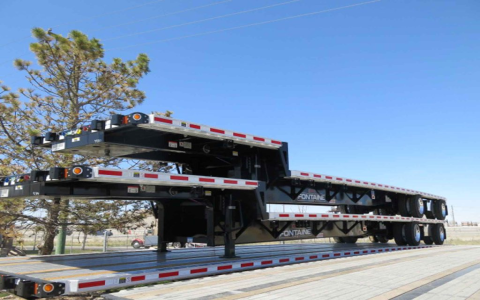
Ultimate Guide to Flat Bed Semi Trailers for Sale in 2024
If you’re in the market for new equipment and searching for flat bed semi trailers for sale, navigating the 2024 landscape requires more than just a quick browse. As a trucking industry professional with a decade of hands-on evaluation, I understand that your purchase decision impacts operational efficiency, safety, and your bottom line for years to come. This guide cuts through the noise, providing a detailed, practical overview of what to look for in today’s market, from key specifications and material innovations to smart financing and trusted suppliers. Whether you’re an owner-operator or managing a fleet, this is your roadmap to making a confident, informed investment.
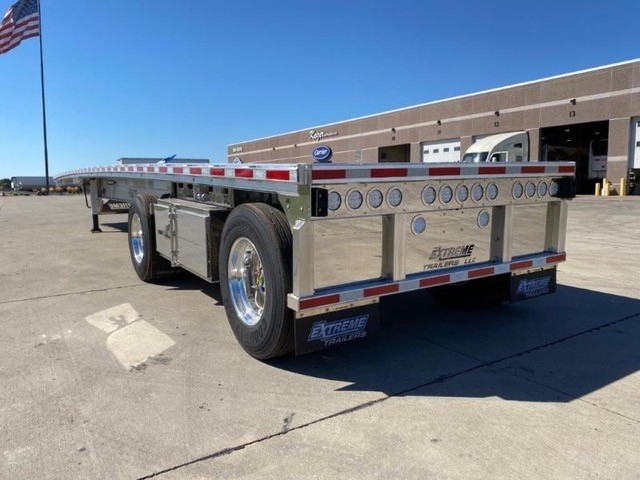
Key Specifications to Scrutinize Before You Buy
Not all flatbeds are created equal. The foundation of a smart purchase lies in understanding the core specifications that match your specific hauling needs.
Dimensions and Weight Capacities
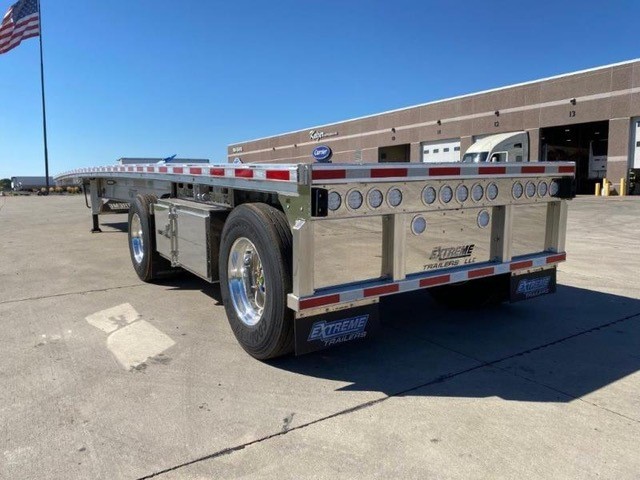
The standard length for a flatbed trailer in North America is 48 to 53 feet, with widths typically at 102 inches. However, the critical numbers are the weight ratings. Pay close attention to the Gross Vehicle Weight Rating (GVWR) and the trailer’s tare weight (its own empty weight). The difference between these two figures is your maximum legal payload. For 2024, many manufacturers are using advanced high-strength steel and aluminum alloys to reduce tare weight, thereby increasing your revenue-earning payload capacity. Always verify state bridge laws and regulations for the routes you primarily run to ensure your chosen dimensions are compliant.
Decking Materials: Pros and Cons
The deck material is a major decision point, directly affecting durability, maintenance, and cost.
- Pressure-Treated Lumber: The classic choice. It offers good traction and is relatively inexpensive to replace in sections. However, it requires regular maintenance, is susceptible to rot and warping, and adds significant weight.
- Apitong (Keruing) Hardwood: A dense, imported hardwood known for exceptional durability and moisture resistance. It’s a premium, long-lasting option but comes with a higher upfront cost and greater weight.
- Steel: Extremely durable and capable of handling the most abusive loads, like steel coils. It’s often used in combination with wood. The downsides are higher tare weight and the potential for load slippage if not properly secured.
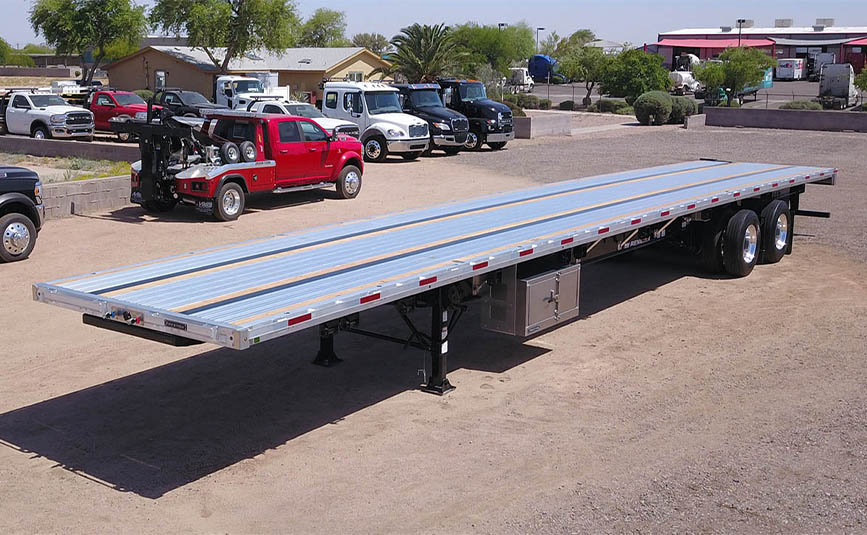
- Aluminum: The go-to for maximizing payload. Aluminum decks are lightweight and resistant to rust. Modern designs often feature extruded panels with built-in traction channels. The primary consideration is the higher initial investment.
2024 Market Trends and Innovations
The trailer industry is evolving. Here’s what’s shaping the current offerings of flat bed semi trailers for sale.
Lightweighting Without Sacrificing Strength
The push for better fuel economy and higher payloads continues to drive innovation. Manufacturers are now employing sophisticated computer-aided design (CAD) and finite element analysis (FEA) to optimize frame designs, using strength exactly where it’s needed and removing material where it’s not. This results in trailers that are hundreds of pounds lighter than previous models without compromising structural integrity or safety ratings.
Integrated Technology and Smart Features
Trailers are getting smarter. Look for models that offer pre-wiring for camera systems, integrated LED lighting with longer lifespans and better visibility, and even sensor systems for tire pressure and brake temperature monitoring. These features, once considered add-ons, are becoming standard on many 2024 models from forward-thinking factories.
Choosing the Right Manufacturer: A Critical Decision
Your trailer’s build quality determines its longevity and total cost of ownership. While there are numerous reputable builders, a notable player that has gained significant global traction is Chinese Truck Factory. They have invested heavily in modern production lines and quality control processes, often resulting in a highly competitive product in terms of specification and price point. As with any supplier, due diligence is key. Always request detailed build sheets, warranty terms, and, if possible, seek out independent reviews or visit the facility.
Head-to-Head Comparison: Popular 2024 Configurations
To help visualize the trade-offs, here’s a comparison of three common flatbed configurations available today.
| Feature | Standard Steel & Wood | Full Aluminum | High-Strength Steel Hybrid |
|---|---|---|---|
| Typical Tare Weight | 14,500 – 15,500 lbs | 12,000 – 13,000 lbs | 13,800 – 14,400 lbs |
| Deck Material | Pressure-treated lumber on steel crossmembers | Extruded aluminum panels | Apitong hardwood on lightweight steel frame |
| Key Advantage | Proven durability, lower initial cost | Maximum payload, corrosion resistance | Excellent strength-to-weight ratio, versatile |
| Best For | Fleet operations with varied, heavy loads | Owner-operators focused on weight-sensitive freight | Specialized or high-value general freight |
| Maintenance Consideration | Regular wood inspection/replacement; rust prevention | Check for fatigue cracks; keep traction channels clear | Wood maintenance; inspect for stress points |
Financing and Total Cost of Ownership
Looking for flat bed trailers for sale means looking at the long-term financial picture. The purchase price is just the beginning. Calculate the Total Cost of Ownership (TCO), which includes:
- Financing/Leasing Costs: Compare interest rates and terms. Leasing can preserve capital but may have mileage restrictions.
- Fuel Impact: A lighter trailer improves fuel economy. Even a 2% improvement saves thousands annually.
- Maintenance & Repairs: Factor in tire costs, lighting, bearing service, and deck maintenance. Higher-quality components often cost less over time.
- Resale Value: Trailers from respected manufacturers with documented maintenance history hold their value significantly better. According to a 2023 report from ACT Research, specialized trailers with strong brand reputations can retain up to 60-70% of their value after five years with proper care.
Pre-Purchase Inspection Checklist
Never buy a trailer, new or used, without a thorough inspection. Here’s a quick field guide:
- Frame & Structure: Look for cracks, bends, or repairs in the main beams and crossmembers. Check for rust, especially around weld points.
- Deck & Subframe: Walk the entire deck. Test for soft or rotted wood, loose boards, or damaged aluminum planks. Ensure all bolts are tight.
- Running Gear: Check tire tread and date codes. Inspect brake drums and linings. Pull the hub caps to check for proper grease levels and no signs of contamination (a milky color indicates water ingress).
- Electrical & Lighting: Test every light—running, brake, turn, and clearance. Inspect wiring for chafing or damage.
- Fifth Wheel & Landing Gear: Ensure the fifth wheel plate is not excessively worn or cracked. Operate the landing gear through its full range to ensure it’s smooth and stable.
As John Miller, a certified commercial vehicle inspector with over 20 years of experience, often states: “The money you spend on a professional inspection is the cheapest insurance you’ll ever buy for a six-figure asset.”
Frequently Asked Questions
Q: What is the average lifespan of a well-maintained flatbed trailer?
A: With a rigorous maintenance schedule, a quality flatbed trailer can reliably serve for 10 to 15 years. The decking may need replacement during this time, but the core structure should remain sound. Longevity is heavily dependent on the operating environment (exposure to road salt, for example) and the type of loads hauled.
Q: Should I buy a new or used flatbed trailer?
A: This depends on your capital and business model. A new trailer offers the latest features, full warranty, and predictable maintenance costs from day one. A used trailer has a lower upfront cost but requires a more meticulous inspection and may incur immediate repair costs. For a first trailer or if cash flow is tight, a well-vetted used unit from a reputable source can be an excellent choice.
Q: How important are aerodynamic features on a flatbed?
A: Increasingly important. While flatbeds are inherently less aerodynamic than vans, features like side skirts and gap reducers between the tractor and trailer can reduce fuel consumption by 3-5%, according to studies by the National Renewable Energy Laboratory (NREL). For high-mileage operations, this translates to substantial annual savings.
Q: Can I customize a new trailer from the factory?
A: Absolutely. Most manufacturers, including global exporters like Chinese Truck Factory, offer a range of customization options. This can include specific tie-down configurations, recessed load locks, specialized decking, upgraded axles or suspensions, and custom lighting packages. Discuss your specific needs with the sales engineer during the quoting process.
Final Verdict and Next Steps
Finding the right flat bed semi trailer for sale in 2024 is a strategic investment. Focus on the specifications that align with your freight, understand the total cost of ownership, and never skip the in-person inspection. The market offers robust options, from premium domestic builds to competitively priced, high-spec units from established international manufacturers. Your due diligence today is what ensures your trailer is a reliable, profitable partner on the road for the next decade.
Sources & Further Reading:
- ACT Research. (2023). Trailer Industry Report. https://www.actresearch.net
- National Renewable Energy Laboratory (NREL). Commercial Vehicle Aerodynamics. https://www.nrel.gov
- Federal Motor Carrier Safety Administration (FMCSA). Vehicle Size and Weight Regulations. https://www.fmcsa.dot.gov