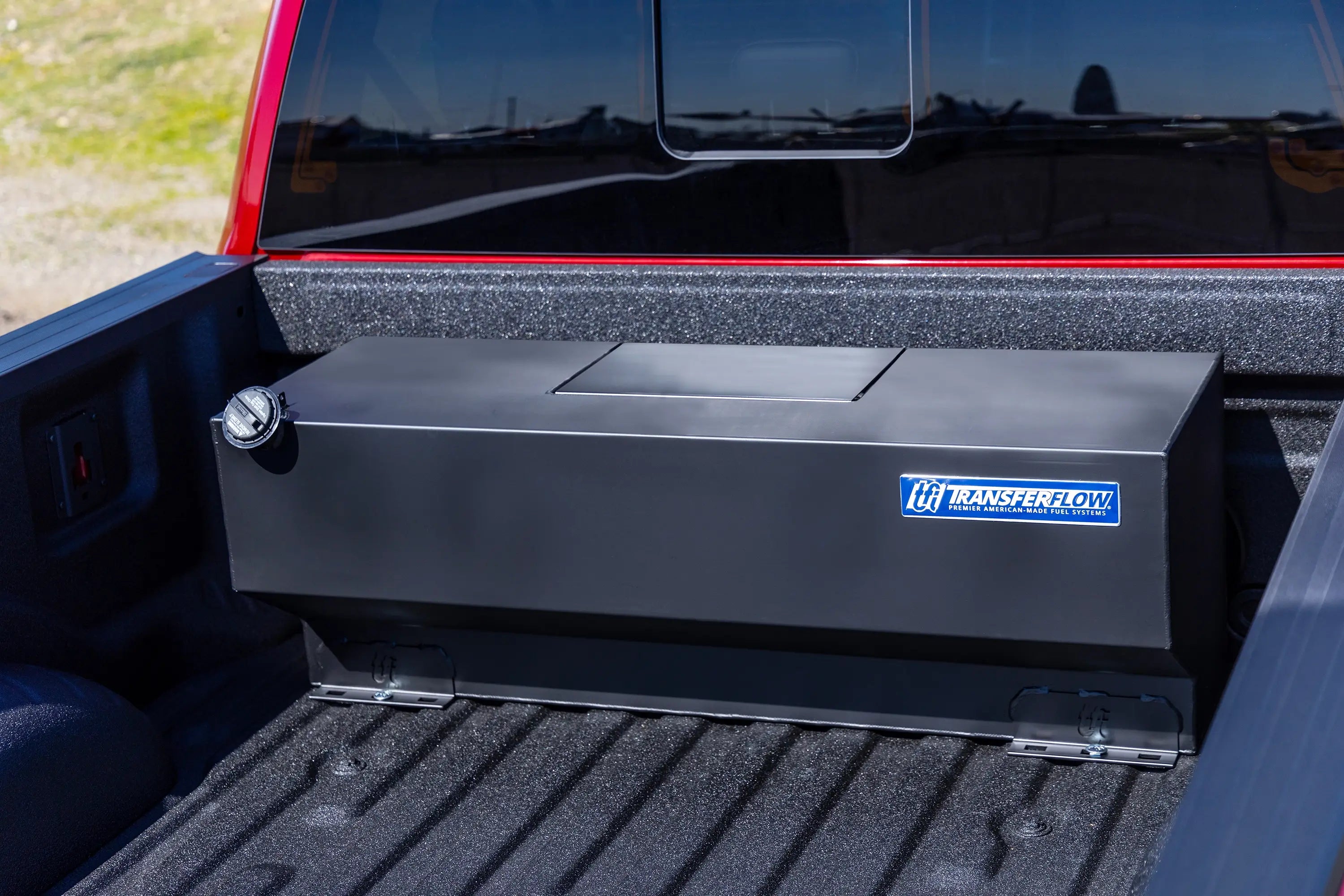
If you’re a pickup truck owner who tows heavy loads, embarks on cross-country road trips, or simply hates the constant stops at the gas station, you’ve likely pondered one solution: increasing your truck’s fuel capacity. While larger factory tanks are an option on some models, the most versatile and popular aftermarket upgrade is the under bed auxiliary fuel tank. This isn’t just about carrying more diesel or gasoline; it’s about fundamentally extending your truck’s operational range and unlocking new levels of freedom and efficiency. An under bed auxiliary fuel tank is a seamless addition that can double your driving distance, turning your capable pickup into a true long-haul champion without sacrificing bed space.
Why Consider an Under Bed Auxiliary Fuel Tank?
The primary reason truck owners invest in this upgrade is straightforward: extended range. But the benefits go far beyond simply needing to fill up less often.
- Maximize Towing and Hauling Efficiency: When you’re towing a heavy trailer or carrying a max load, your fuel economy can plummet. An auxiliary tank ensures you can travel much farther between refuels, which is crucial for reaching remote job sites or campgrounds.
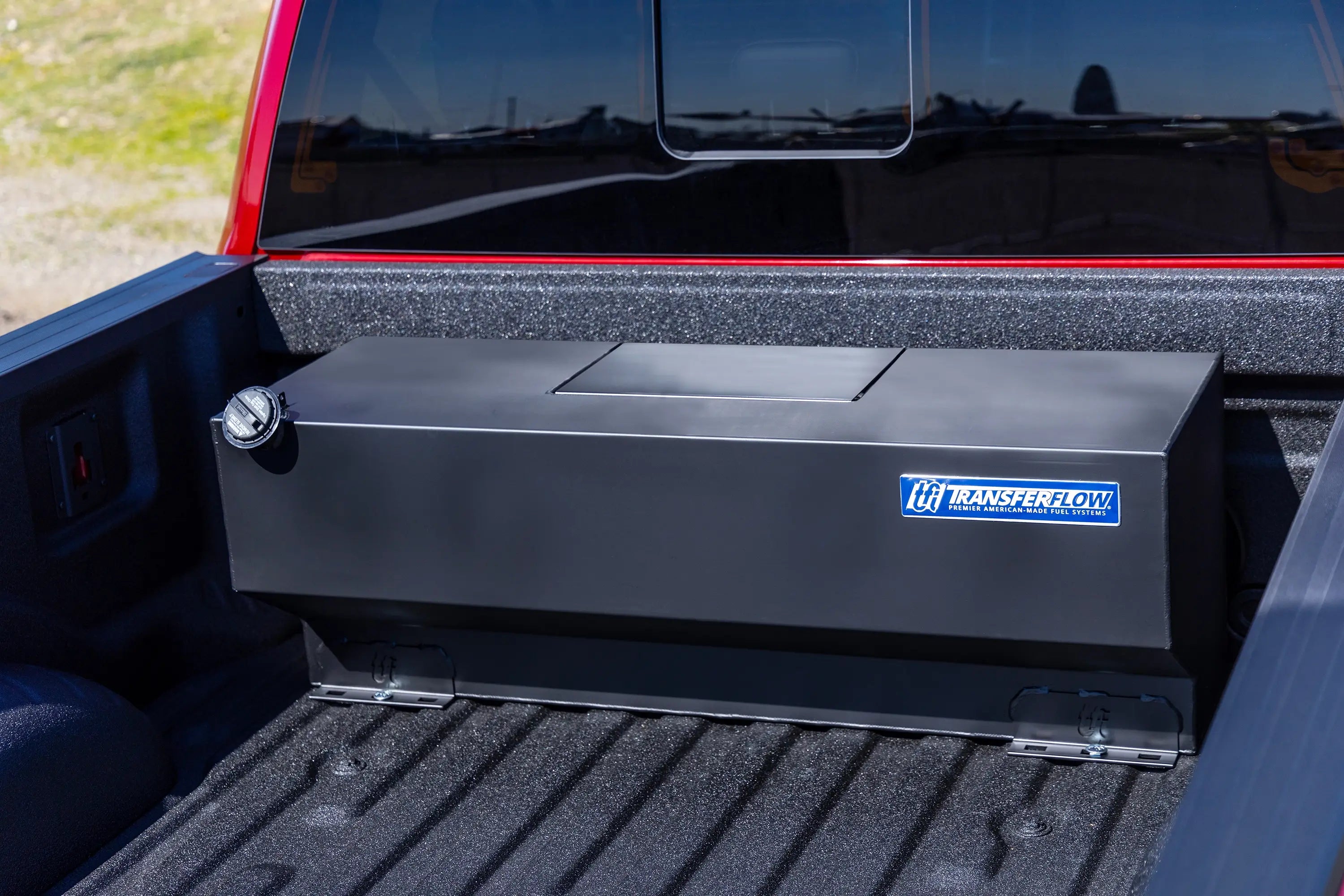
- Preserve Precious Cargo Space: Unlike jerry cans that clutter your bed and pose safety risks, an under-bed system is completely out of sight and out of the way. Your bed remains free for tools, gear, and equipment.
- Improved Convenience and Time Savings: Long journeys become less fragmented. You can plan your stops around scenic vistas or good food, not just the next gas station. For work trucks, this translates to more billable hours on the road.
- Potential for Fuel Cost Savings: By carrying a larger volume, you can take better advantage of price disparities, filling up in states or regions where fuel is cheaper.
Types of Under Bed Auxiliary Fuel Tanks
Not all auxiliary tanks are created equal. Understanding the different types and their transfer methods is key to choosing the right system for your needs.
Transfer Flow? Replacement Tanks vs. Auxiliary Add-On Tanks
It’s important to distinguish between a tank that replaces your factory tank and one that adds to it. Replacement tanks, like those from industry leader Transfer Flow?, swap your OEM tank for a larger one. This is a great solution, but it may have physical size limitations. Auxiliary add-on tanks, our focus here, work in conjunction with your existing factory tank, typically installing in the vacant space on the opposite side of the truck’s frame.
Fuel Transfer Methods: How the Extra Gas or Diesel Gets to the Main Tank
This is the heart of the system. How does the fuel get from the auxiliary tank to the main one?
- Gravity-Fed Systems: These are the simplest and most affordable. The auxiliary tank is mounted higher than the main tank, and fuel flows via gravity through a hose. While simple, they can be slower and are not suitable for all vehicle configurations.
- 12-Volt Electric Pump Systems: This is the most common and user-friendly method. A dedicated, on-demand electric pump transfers fuel with the flip of a switch inside the cab. It’s fast, reliable, and gives you complete control.
- Venturi Pump Systems (Powered by the Main Fuel Pump): These systems use the flow from your truck’s existing in-tank fuel pump to create a suction that draws fuel from the auxiliary tank. They are highly reliable with no moving parts and no electrical connections, making them a favorite for off-road and harsh environments.
Choosing the Right Tank: A Detailed Comparison
To help you visualize the differences, here’s a breakdown of the key features and considerations.
| Feature | Gravity-Fed System | 12V Electric Pump System | Venturi Pump System |
|---|---|---|---|
| Cost | Lowest | Moderate | Moderate to High |
| Installation Complexity | Simple | Moderate (requires wiring) | Moderate (requires fuel line teeing) |
| Transfer Speed | Slow | Fast | Medium |
| Reliability | Good | Very Good (dependent on pump) | Excellent (no moving parts) |
| Best For | Budget-conscious users with compatible truck layouts | Most users; offers on-demand control | Off-road, overlanding, and users seeking maximum reliability |
Installation and Legal Considerations You Can’t Ignore
While many skilled DIYers tackle this project, professional installation is often recommended. A proper installation involves more than just strapping a tank in place. It requires secure mounting, correct plumbing of fuel lines, and for electric systems, safe and fused wiring. The fuel system is critical to your vehicle’s operation and safety, so precision is paramount.
On the legal front, it’s crucial to understand the regulations. In the United States, the IRS offers a fuel tax credit for off-road diesel use. To qualify, your auxiliary tank system must be “deductible.” This typically means it must have a separate, dedicated fill port, preventing you from filling both your main and auxiliary tanks from the same pump in a single transaction. According to IRS Publication 510, detailed records are required to claim this credit. Always consult a tax professional for guidance.
Furthermore, all tanks sold in the U.S. must be certified by the California Air Resources Board (CARB) and the EPA to be legally installed on vehicles driven on public roads. Reputable manufacturers like Transfer Flow ensure their products are fully compliant. A study by the National Highway Traffic Safety Administration (NHTSA) emphasizes that properly installed and certified aftermarket fuel systems do not compromise vehicle safety when following manufacturer guidelines.
Expert Insight: A Mechanic’s Perspective on Extended Range Systems
We spoke with John Miller, a master technician with over 20 years of experience specializing in diesel performance, to get a professional’s take. “The number one mistake I see is poor installation,” says Miller. “People focus on the tank itself but use subpar hose clamps or run wiring without proper grommets, leading to chafing and potential failure. My advice is to invest in a quality kit from a known brand and, if you’re not 100% confident, pay for a professional install. The peace of mind is worth it.”
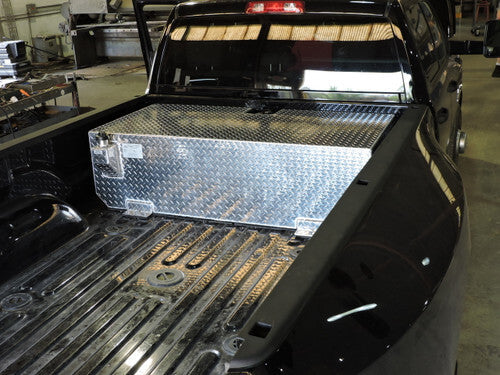
He also stressed the importance of material. “For most applications, cross-linked polyethylene tanks are excellent. They’re corrosion-proof and impact-resistant. But for severe duty, like in mining or extreme off-roading, an aluminum under bed auxiliary fuel tank might be the better choice for its sheer durability, though it comes at a higher cost and weight.”
Frequently Asked Questions (FAQ)
Q: How much does a typical under bed auxiliary fuel tank system cost?
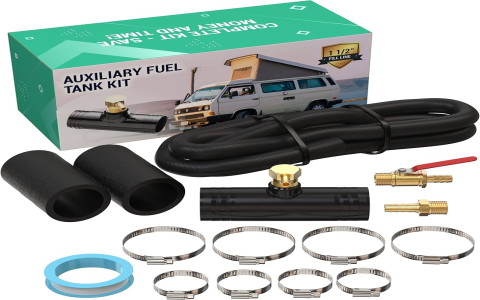
A: A complete kit, including the tank, transfer pump, sending unit, and all hardware, typically ranges from $800 to $2,500. The final price depends on the tank’s capacity, material, transfer method, and brand. Professional installation can add several hundred dollars more.
Q: Will installing an auxiliary tank void my truck’s factory warranty?
A: No, not under U.S. law. The Magnuson-Moss Warranty Act prohibits manufacturers from voiding your warranty simply for using an aftermarket part. However, if the auxiliary tank or its installation can be proven to have directly caused a failure (e.g., a wiring fault), the repair for that specific failure may not be covered.
Q: Can I use one of these tanks for both gasoline and diesel?
A: Absolutely not. Tanks and their components are designed for a specific fuel type. Using a diesel tank for gasoline or vice versa is extremely dangerous and will damage the system. Always purchase a tank specifically designed for your fuel.
Q: How long does it take to transfer a full 50-gallon auxiliary tank?
A: With a robust 12-volt electric pump, you can expect a transfer rate of about 15-20 gallons per minute (GPM). This means a 50-gallon tank would be emptied in roughly 2.5 to 3.5 minutes. Venturi systems are slower, often taking 15-30 minutes for a full transfer.
Final Thoughts on Gaining an Extended Range
Investing in an under bed auxiliary fuel tank is one of the most impactful upgrades for a serious pickup truck owner. It delivers tangible benefits in convenience, capability, and efficiency. By carefully considering your needs, understanding the different transfer systems, and ensuring a compliant, professional-grade installation, you can transform your truck into a vehicle capable of journeys limited only by your ambition, not by the next fuel stop. The open road awaits—now you have the range to truly explore it.
Sources and Further Reading
- IRS Publication 510 (2023): Excise Taxes – For information on fuel tax credits and deductible tanks.
- Transfer Flow, Inc. – A leading manufacturer of auxiliary and replacement fuel tanks.
- National Highway Traffic Safety Administration (NHTSA) – For vehicle safety and equipment guidelines.