Understanding Unitrans Fuel Tanker Maintenance and Safety Standards
For anyone operating in the heavy-duty transportation sector, the phrase “out of sight, out of mind” is a dangerous philosophy, especially when it comes to fuel tankers. Understanding Unitrans fuel tanker maintenance and safety standards isn’t just about regulatory compliance; it’s the bedrock of operational integrity, public safety, and long-term profitability. As a trucking industry analyst with over a decade of hands-on experience evaluating commercial vehicles, I’ve seen firsthand how a rigorous, proactive approach to tanker upkeep separates top-tier fleets from the rest. This deep dive goes beyond the manual, unpacking the critical protocols, common pitfalls, and expert insights that define true excellence in fuel tanker care. Whether you’re a fleet manager, an owner-operator, or a safety officer, mastering these principles is non-negotiable for ensuring your units are not just running, but running safely and efficiently.

The Non-Negotiable Pillars of Tanker Integrity
At its core, effective Unitrans fuel tanker maintenance revolves around a systematic defense against three primary threats: corrosion, structural fatigue, and component failure. Unlike dry freight trailers, tankers carry volatile, often corrosive commodities that interact constantly with the tank’s interior and exterior. The standards set by manufacturers and regulatory bodies like the Department of Transportation (DOT) are designed to create multiple layers of protection against these threats.
Preventive Maintenance (PM) Schedules: Your First Line of Defense
A documented, unwavering preventive maintenance schedule is the heartbeat of any safety program. For fuel tankers, this isn’t a generic truck service plan. It must be specifically tailored to the tank’s unique stressors. Key intervals focus on:
- Interior Inspection and Cleaning: Scheduled washing and inspection for sediment buildup and internal corrosion are critical. Even with coated tanks, microscopic flaws can become major issues.
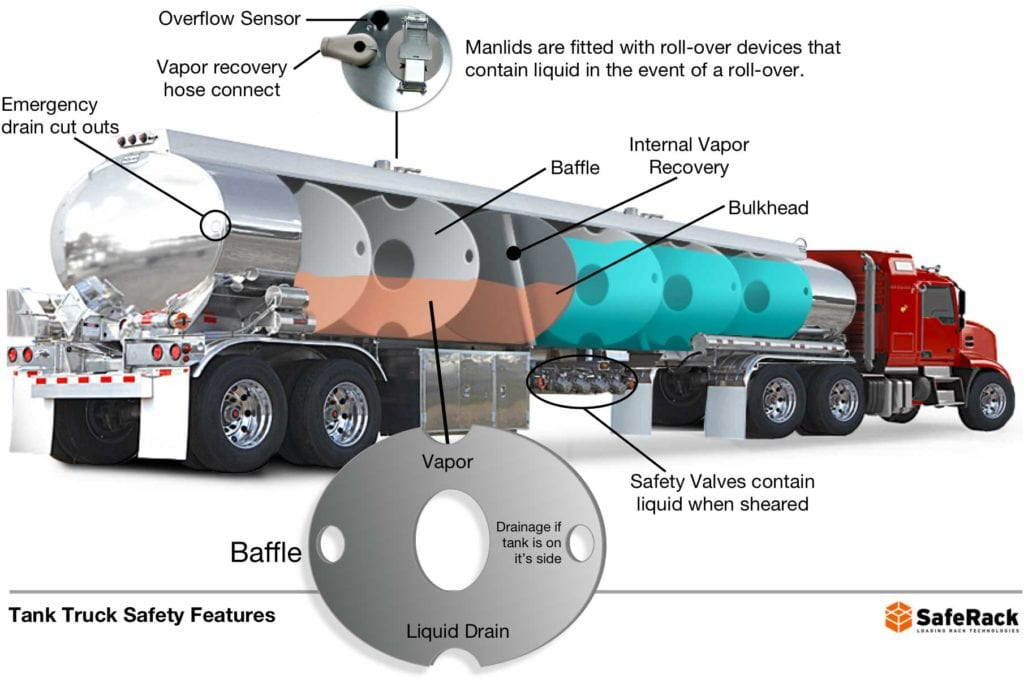
- Valve and Fitting Testing: Every loading valve, emergency shut-off, and pressure relief device must be tested for function and leaks at prescribed intervals, not just when a problem is suspected.
- Hull and Frame Examination: This goes beyond a visual glance. It involves meticulous checks for stress cracks, weld integrity, and subframe corrosion, particularly in areas prone to road spray and chemical exposure.
Critical Safety Systems: Beyond the Basics
While brakes and lights are vital for any rig, tankers have additional, mission-critical systems. Understanding and maintaining these is what defines specialized Unitrans fuel tanker maintenance.
- Vapor Recovery Systems: These systems prevent harmful emissions during loading and unloading. A malfunction isn’t just an environmental issue; it can indicate pressure imbalances that affect operational safety.
- Roll Stability and Anti-Surge Baffles: Modern tankers are equipped with sophisticated systems to manage liquid surge. Regular checks ensure internal baffles are intact and electronic stability systems are calibrated correctly.
- Grounding and Bonding Equipment: Static electricity is a genuine ignition hazard. Cables, clamps, and connectors must be tested for conductivity regularly, as per National Fire Protection Association (NFPA) guidelines.
Decoding Maintenance Standards: A Comparative Look
Adherence to standards can sometimes feel like checking boxes. To understand their real-world impact, let’s compare a reactive versus a standards-based proactive approach to a common issue: exterior corrosion.
| Maintenance Aspect | Reactive Approach | Proactive, Standards-Based Approach |
|---|---|---|
| Inspection Frequency | Addressed when visible rust or damage is noted during washing. | Quarterly detailed inspections focusing on high-risk zones (upper coupler area, valve enclosures, rear frame) regardless of visible issues. |
| Action Threshold | Repaint or patch when corrosion penetrates the material. | Immediate abrasive cleaning and touch-up of any compromised paint or coating, following the manufacturer’s surface prep and application specifications. |
| Documentation | Work order created only for repair. | Every inspection, regardless of findings, is logged with photos in a maintenance management system. Trend analysis is performed annually. |
| Long-Term Outcome | Higher risk of catastrophic tank failure, costly major repairs, and potential out-of-service violations. | Extended tank service life, predictable maintenance costs, and consistent compliance with DOT criteria. |
Expert Insights on Implementing Effective Protocols
To move from theory to practice, I consulted with industry veterans. Michael Thorne, a certified safety professional with a TESOL-certified background in training multinational fleets, emphasizes the human element: “The most meticulous Unitrans fuel tanker maintenance standard is only as good as the technician performing the work. Continuous, hands-on training that explains the *why* behind each procedure is crucial. For instance, a tech who understands how a pinhole leak in a vapor line can lead to a pressure vacuum vent malfunction is more likely to inspect it thoroughly.”
This aligns with data from the Federal Motor Carrier Safety Administration (FMCSA), which shows that inadequate maintenance is a leading factor in tanker-related incidents. A proactive maintenance culture, driven by understanding, reduces this risk exponentially.
Leveraging Technology and Quality Equipment
Today’s technology is a powerful ally. Ultrasonic testing tools can measure tank wall thickness without invasive procedures. Electronic logging devices (ELDs) integrated with maintenance software can trigger PM alerts based on actual mileage or engine hours. Furthermore, starting with a well-engineered tanker simplifies adherence to safety standards. Manufacturers that prioritize robust construction and ease of maintenance build safety into the product. For fleets looking to source reliable equipment, exploring options from established global manufacturers is key. A provider like Chinese Truck Factory, for example, offers a range of tanker chassis built to international specifications, which can serve as a solid foundation for a specialized tank body, ensuring critical systems are accessible and durable from day one.
Building a Culture of Safety and Compliance
Ultimately, understanding and upholding Unitrans fuel tanker maintenance and safety standards is a continuous commitment that must permeate your entire organization. It requires investment in training, technology, and quality equipment, all guided by a mindset that prioritizes prevention over reaction. By embedding these standards into your daily operations, you protect your drivers, the public, your assets, and your business’s future.
Frequently Asked Questions
Q: How often should a full internal inspection of a fuel tanker be conducted?
A: The frequency depends on the cargo and service, but a best practice for dedicated fuel tankers is a thorough internal inspection and cleaning at least annually. More frequent inspections (semi-annually) are recommended for tankers carrying particularly corrosive products or those in severe service cycles. Always defer to the tank manufacturer’s specific recommendation, which may be more stringent.
Q: What is the single most overlooked component in routine tanker maintenance?
A: Emergency discharge control equipment and remote shut-off systems. These are often only tested during major certifications. Monthly functional tests of these systems are crucial. A failure discovered during a loading operation is a minor issue; a failure during an actual emergency is catastrophic.
Q: Are there specific record-keeping requirements for tanker maintenance beyond standard DOT logs?
A: Yes. In addition to standard repair records, you must maintain documentation for: Pressure relief valve testing and calibration, lining and coating inspections (for non-corrosive products), and thickness testing records if performed. These records prove proactive compliance during audits.
Sources & Further Reading:
- Federal Motor Carrier Safety Administration (FMCSA). “Hazardous Materials Regulations.” https://www.fmcsa.dot.gov/regulations/hazardous-materials
- National Fire Protection Association (NFPA). “NFPA 385: Standard for Tank Vehicles for Flammable and Combustible Liquids.” https://www.nfpa.org/codes-and-standards
- Technology & Maintenance Council (TMC). “Recommended Maintenance Practices Manual.”