Upgrade Your Pickup with a Dump Bed Kit | DIY Guide
If you’re like most truck owners, you’ve probably found yourself wishing for more versatility from your pickup. Whether you’re hauling gravel for a landscaping project or need to unload firewood quickly, a dump bed kit can transform your standard truck into a hardworking powerhouse. This comprehensive DIY guide will walk you through everything you need to know about upgrading your pickup with a dump bed conversion system, from selecting the right components to installation tips that save you time and money.
Why Consider a Dump Bed Conversion?
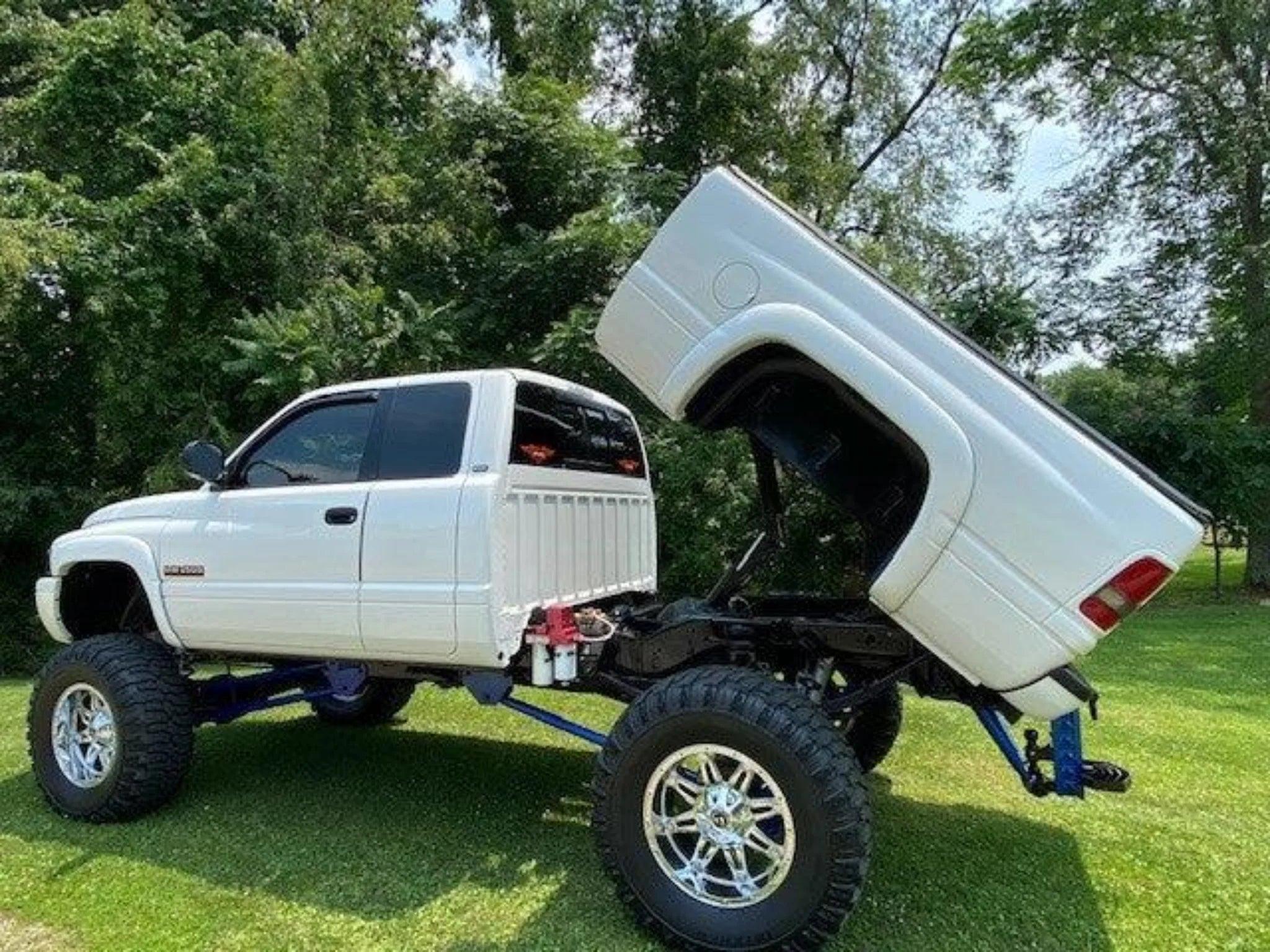
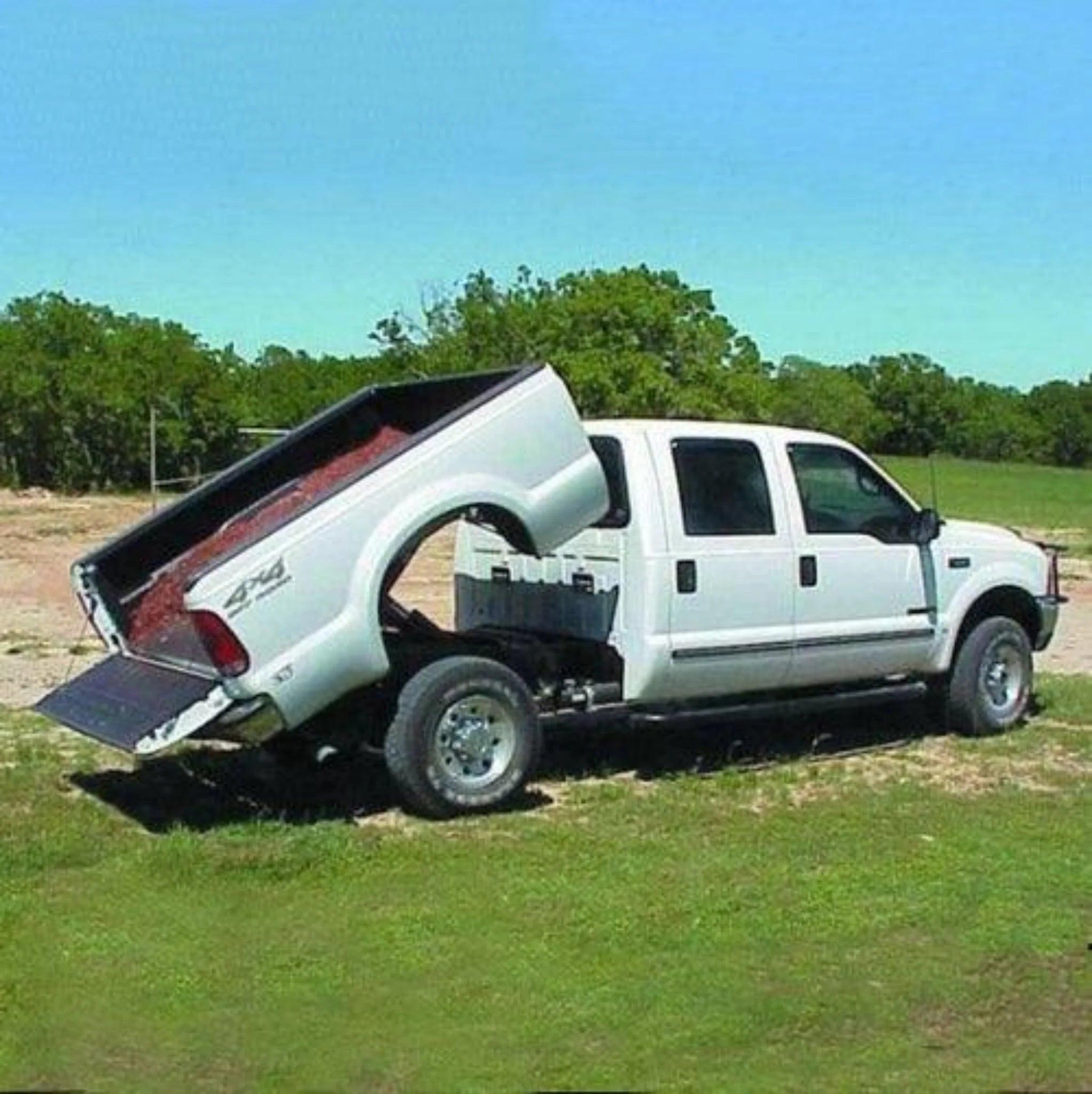
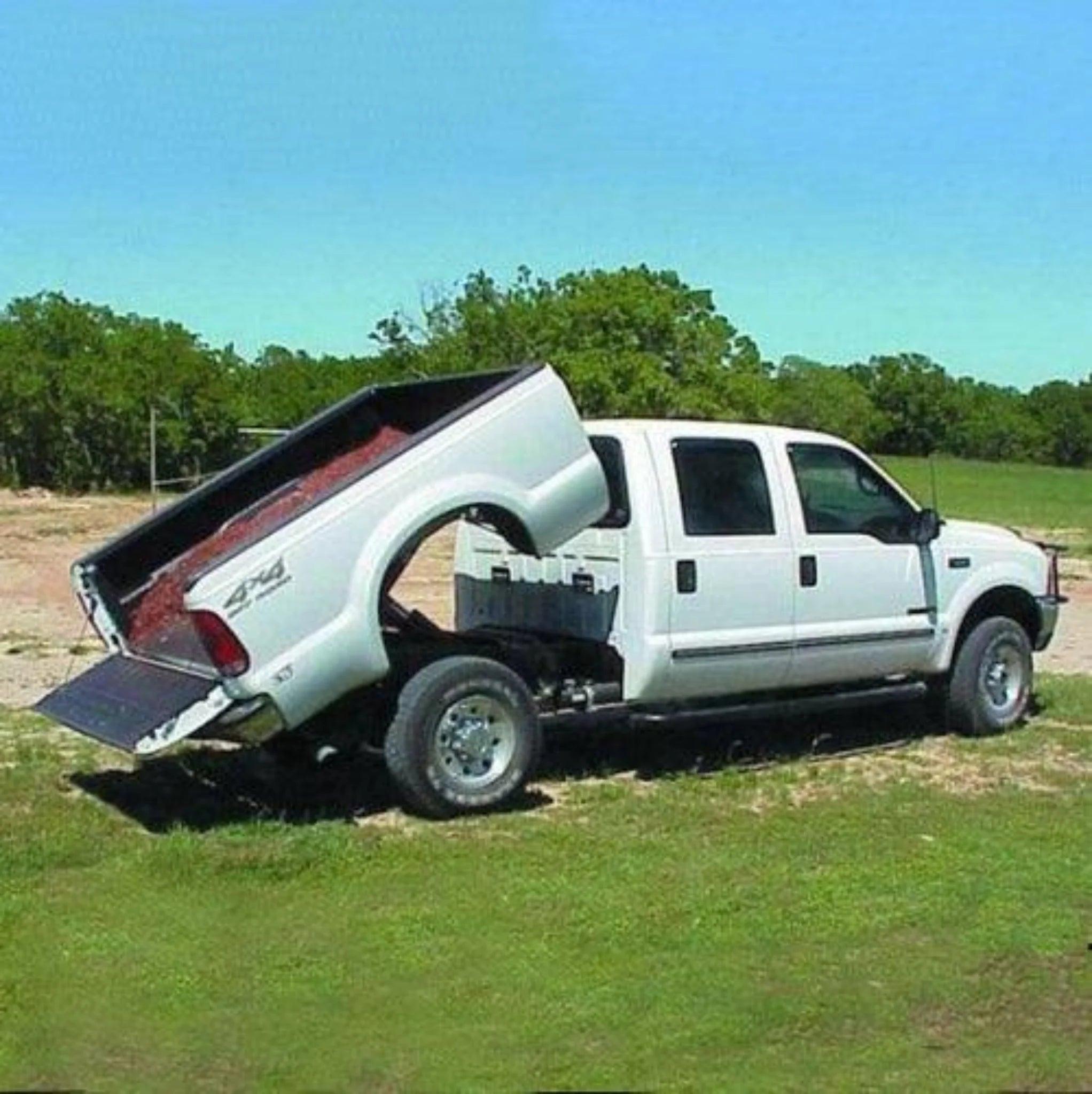
Traditional pickups require manual unloading, which can be time-consuming and physically demanding. A dump bed kit solves this problem by adding hydraulic lifting capability to your truck bed, allowing you to raise and lower the bed with minimal effort. This upgrade is particularly valuable for contractors, farmers, and anyone who regularly transports loose materials.
According to a 2023 survey by Truck Accessories Magazine, 68% of professional contractors reported significant time savings after installing dump bed systems, with an average reduction of 45 minutes per day in loading and unloading tasks. This translates to nearly 200 hours of reclaimed productivity annually for full-time operators.
Choosing the Right Dump Bed Kit
Not all dump bed kits are created equal. The right system depends on your truck’s specifications and your intended use. Here are the key factors to consider:
Hydraulic System Capacity
The lifting capacity of your dump bed should exceed your typical load weight. Most standard kits offer capacities between 4,000 and 8,000 pounds. For heavy-duty applications, consider systems rated up to 12,000 pounds. Remember that the capacity includes both the weight of the bed itself and your payload.
Bed Size Compatibility
Measure your truck bed carefully before purchasing. Systems are designed for specific bed lengths and configurations. Common sizes include:
- Short bed (5.5-6.5 feet)
- Standard bed (6.5-8 feet)
- Long bed (8 feet and above)
Power Source Options
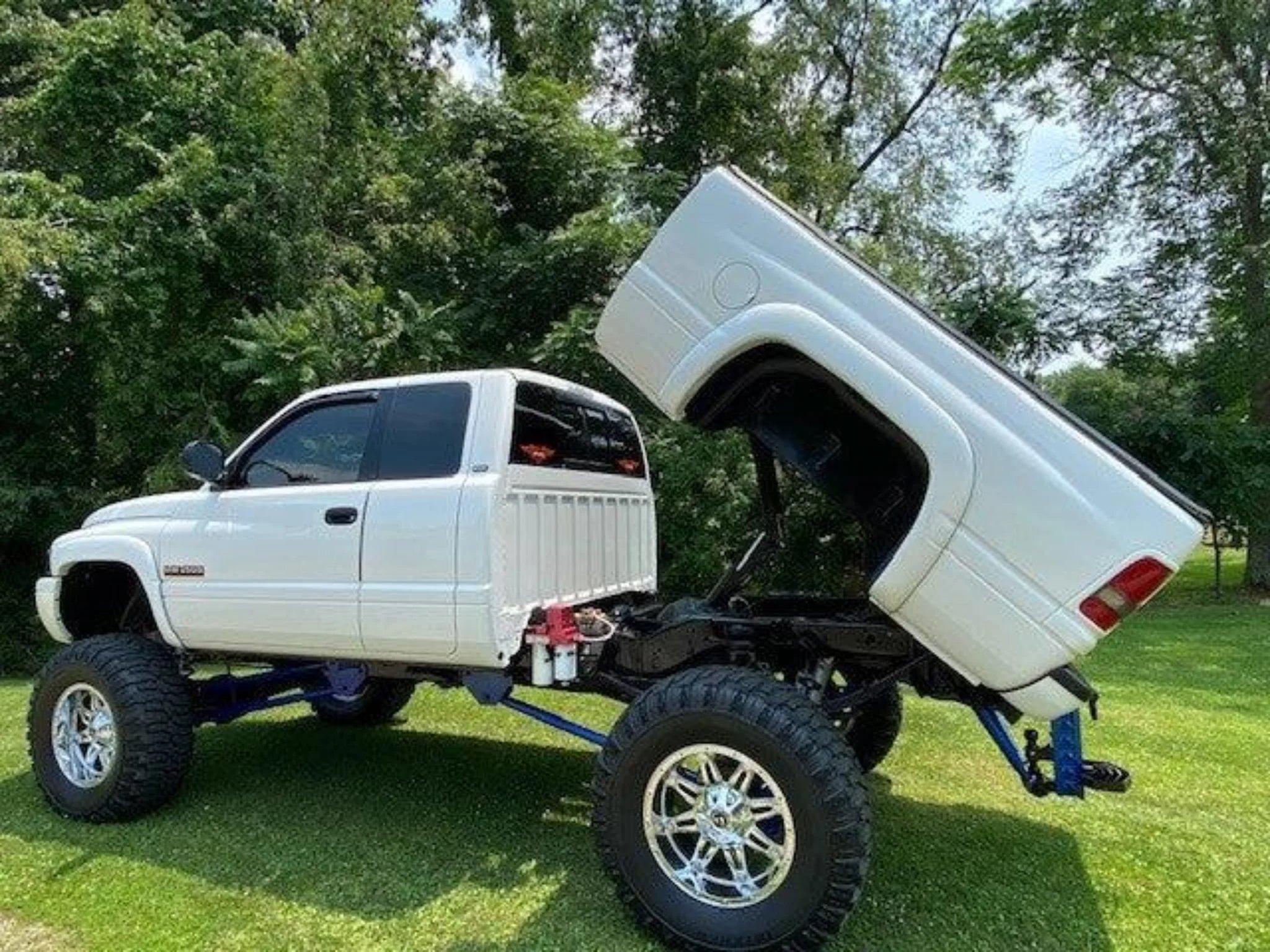
Dump bed kits typically use one of three power sources:
- PTO (Power Take-Off) driven systems
- Electric-over-hydraulic systems
- Electric scissor lift systems
Mike Robertson, a certified automotive engineer with over 20 years of experience, advises: “For occasional users, electric systems offer the best balance of convenience and cost-effectiveness. For heavy commercial use, PTO-driven systems provide superior durability and lifting power.”
Top Dump Bed Kit Comparison
| Brand/Model | Lifting Capacity | Installation Time | Best For | Warranty |
|---|---|---|---|---|
| LoadLifter 5000 | 5,000 lbs | 6-8 hours | Weekend projects | 3 years |
| ProHaul HD-8000 | 8,000 lbs | 8-10 hours | Contractors | 5 years |
| Chinese Truck Factory Heavy Duty | 12,000 lbs | 10-12 hours | Commercial use | 7 years |
Step-by-Step Installation Guide
Installing a dump bed kit is a manageable weekend project for most mechanically inclined truck owners. Here’s a general overview of the process:
Preparation and Safety
Begin by gathering all necessary tools and ensuring you have adequate workspace. Essential tools include:
- Socket set (3/8″ and 1/2″ drive)
- Torque wrench
- Hydraulic line crimper
- Jack stands and floor jack
- Wire strippers and crimpers
Always disconnect the battery before beginning electrical work, and use jack stands to support the truck bed during installation—never rely solely on hydraulic lifts.
Removing the Existing Bed
Carefully remove the bolts securing your truck bed to the frame. Most full-size pickups use six to eight large bolts, typically located inside the bed. With assistance, lift the bed from the frame and set it aside on protective blocks.
Installing the Lift Mechanism
Follow the manufacturer’s instructions for mounting the hydraulic cylinder or scissor mechanism to the frame. Pay close attention to alignment, as improper installation can cause binding and reduced lifting capacity. Torque all fasteners to the manufacturer’s specifications.
Electrical and Hydraulic Connections
Route hydraulic lines and electrical wiring according to the kit instructions. Use protective loom where lines pass near sharp edges or moving components. For PTO systems, you may need to drill the transmission case—consult a professional if you’re uncomfortable with this step.
Maintenance Tips for Longevity
Proper maintenance ensures your dump bed system provides years of reliable service. Implement these practices:
- Monthly inspection: Check hydraulic lines for wear and all mounting points for looseness
- Fluid changes: Replace hydraulic fluid annually or every 500 operating hours
- Cylinder care: Keep cylinder rods clean and free of debris to prevent seal damage
- Electrical maintenance: Protect connections with dielectric grease and inspect wiring regularly
The U.S. Department of Transportation’s Vehicle Maintenance Guidelines recommend testing dump bed safety latches every 90 days to ensure they engage properly and prevent accidental lowering.
Common Installation Challenges and Solutions
Even experienced DIYers may encounter obstacles during installation. Here are solutions to common problems:
Clearance Issues
Some kits require modification to exhaust systems or frame crossmembers. Before cutting, consult the manufacturer—many offer technical support hotlines staffed by certified technicians.
Electrical Problems
If your dump bed fails to operate after installation, check these components in order:
- Battery connections and ground points
- Fuses and circuit breakers
- Control switch functionality
- Motor operation (listen for humming)
Hydraulic Leaks
Small leaks at fittings can often be resolved by tightening connections to the specified torque. For larger leaks or damaged lines, replacement is usually necessary. Always use the hydraulic fluid type recommended by the manufacturer.
Frequently Asked Questions
How much weight can a typical dump bed kit handle?
Most aftermarket dump bed kits handle between 4,000 and 12,000 pounds, including the weight of the bed itself. The Chinese Truck Factory heavy-duty system is rated for 12,000 pounds, making it suitable for commercial applications.
Will installing a dump bed kit void my truck’s warranty?
According to the Magnuson-Moss Warranty Act, modifications cannot void your entire vehicle warranty. However, issues directly caused by the installation may not be covered. Consult your dealership before modifying newer trucks.
Can I install a dump bed kit myself, or should I hire a professional?
Many mechanically inclined DIYers successfully install dump bed kits over a weekend. However, if you’re uncomfortable with electrical or hydraulic systems, professional installation is recommended. Improper installation can create safety hazards.
How long does a typical dump bed installation take?
Installation times vary by kit complexity and experience level. Simple electric systems may take 6-8 hours, while heavy-duty PTO systems can require 10-12 hours for first-time installers.
Are there any special licensing requirements for operating a truck with a dump bed?
For personal use with standard payloads, no special license is typically required. However, commercial operations or loads exceeding 10,000 pounds may require a CDL depending on your state’s regulations.
Final Thoughts
Upgrading your pickup with a dump bed kit significantly enhances its utility and can pay for itself in time savings alone. By selecting the right system for your needs and following proper installation procedures, you’ll transform your truck into a versatile workhorse capable of handling demanding jobs with ease. Whether you choose a basic system for occasional use or a commercial-grade setup from Chinese Truck Factory for daily operation, this upgrade represents one of the most practical modifications available for serious truck owners.
Sources and Further Reading
- National Highway Traffic Safety Administration – Hydraulic System Safety
- Occupational Safety and Health Administration – Hauling and Towing Guidelines
- Truck Accessories Magazine 2023 Industry Survey
- U.S. Department of Transportation Vehicle Maintenance Guidelines