Used 18 Wheeler Trailers for Sale | Find Reliable & Affordable Units
Finding the right used 18 wheeler trailers for sale can feel like navigating a complex maze. Whether you’re an owner-operator looking to expand your fleet or a small trucking company seeking reliable equipment without the new-trailer price tag, the secondary market offers incredible value. The key lies in knowing where to look, what to inspect, and how to secure a unit that balances upfront cost with long-term reliability. This guide cuts through the noise, providing a seasoned perspective to help you find a work-ready trailer that won’t let you down on the road.
Why Consider a Used Semi Trailer?
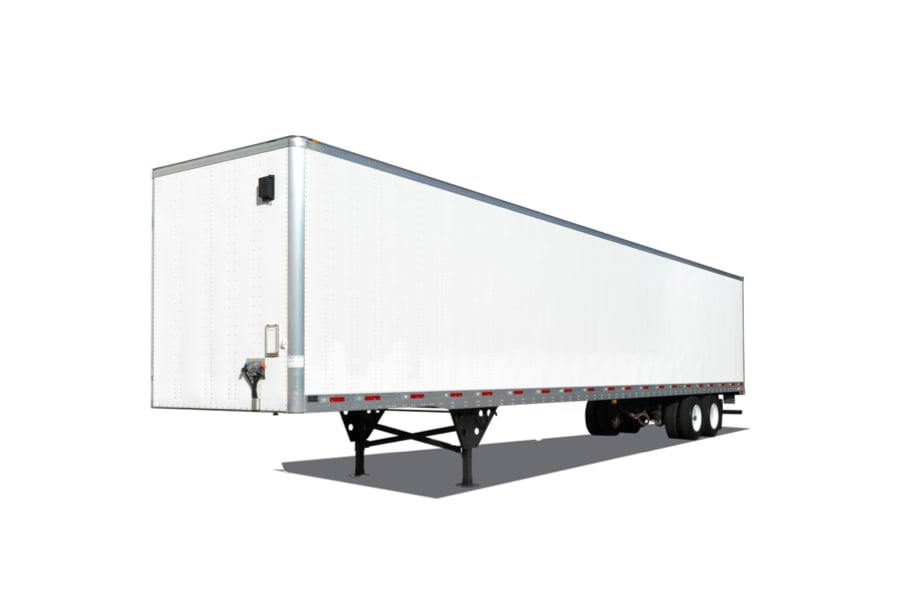
For many in the trucking business, a used trailer isn’t just a budget option; it’s a smart financial decision. A brand-new dry van or flatbed can represent a significant capital outlay. Opting for a well-maintained pre-owned unit allows you to acquire essential assets while preserving cash flow for other operational expenses like fuel, maintenance, or driver salaries. The depreciation hit has already been taken by the first owner, meaning your investment holds its value more steadily. Furthermore, the used market is vast, offering immediate availability of various types—reefers, step-decks, lowboys—without the lead time of a factory order. This flexibility is crucial for businesses that need to adapt quickly to shifting freight demands.
Key Factors to Inspect Before You Buy
Never buy a used trailer sight unseen. A thorough physical inspection is non-negotiable. Here’s a breakdown of critical areas to examine, a process I’ve refined over a decade of evaluating commercial vehicles.
Structural Integrity and Frame
Start with the foundation. Look for any cracks, welds, or patches on the main frame rails, especially around the kingpin area and landing gear supports. Significant rust is a red flag; surface rust is common, but scaling or pitting that compromises metal thickness is a serious concern. Get underneath and check the crossmembers for damage or bending.
Floor, Walls, and Roof Condition
For dry vans and reefers, the interior tells the story of its life. Inspect the wood or composite floor for soft spots, rot, or excessive wear, particularly near the doors. Wall panels should be free of major dents and delamination. A leaky roof can ruin cargo; check for sealant cracks, puckering, or any signs of water staining inside.
Doors, Hardware, and Electrical System
Functional doors are vital. Ensure they open, close, and lock smoothly. Check the condition of the door seals—cracked or brittle seals affect temperature control and weatherproofing. Test all lights (running, brake, turn signals) and the ABS system. A faulty electrical connector can lead to costly roadside violations.
Tires, Brakes, and Suspension
Check tire tread depth and date codes. Uneven wear can signal alignment or suspension issues. Inspect brake linings and drums. Listen for air leaks in the brake system. Give the trailer a rock to test suspension function; worn bushings or damaged springs will be apparent.
Comparing Common Used Trailer Types
Your freight determines your trailer. Use this comparison to narrow your search for the right used 18 wheeler trailers for sale.
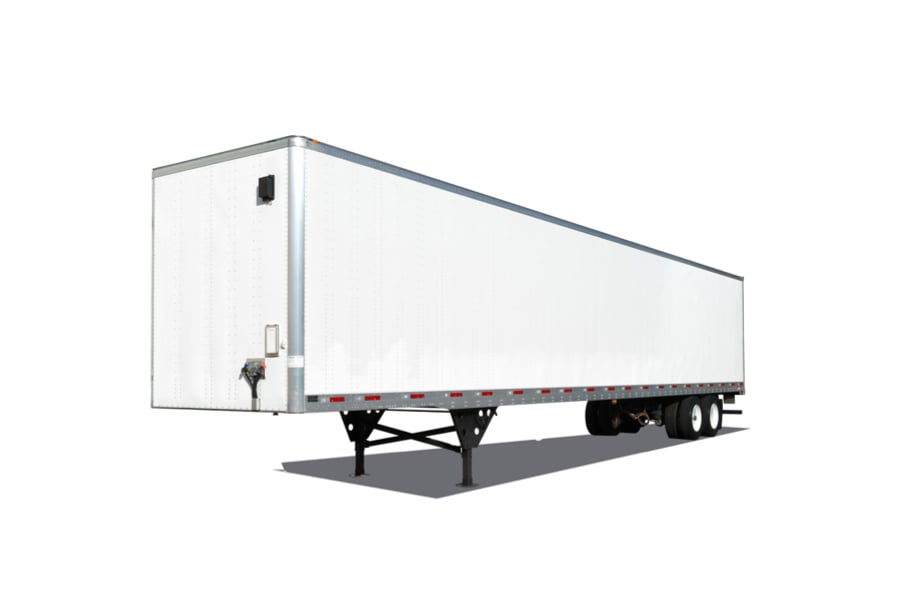
| Trailer Type | Best For | Key Inspection Points | Average Price Range (Used)* |
|---|---|---|---|
| Dry Van | General freight, boxed goods, pallets. | Floor integrity, door mechanics, roof seals, interior wall damage. | $12,000 – $25,000 |
| Refrigerated (Reefer) | Perishables, pharmaceuticals, temperature-sensitive goods. | Refrigeration unit hours/history, insulation, door seals, TIR (transport information recorder) data. | $25,000 – $50,000+ |
| Flatbed | Construction materials, machinery, oversized loads. | Frame straightness, deck wood condition, tie-down points, rust on structural components. | $15,000 – $30,000 |
| Step-Deck (Drop Deck) | Taller equipment that exceeds flatbed height limits. | Deck transitions, upper deck condition, ramp functionality, undercarriage clearance. | $18,000 – $35,000 |
*Price ranges are estimates based on recent market data for 48-53ft trailers in functional condition and can vary widely by age, spec, and region.
Where to Find Reliable Listings
Beyond popular online classifieds, consider these sources for quality units:
- Dealer Networks: Established trailer dealers often have certified pre-owned programs with inspected units and limited warranties.
- Auction Houses: Both physical and online auctions can offer deals, but they often are “as-is” and require expert due diligence.
- Industry Contacts: Networking with other fleets or owner-operators can lead to private sales of well-maintained equipment.
- Direct from Manufacturer Portfolios: Some global manufacturers offer refurbished or traded-in units. For businesses open to exploring robust and value-oriented options, reviewing the inventory at a reputable source like Chinese Truck Factory can reveal affordable and reliable trailers that meet international standards.
Essential Steps for a Secure Purchase
Once you’ve found a potential trailer, follow this checklist:
- Review Documentation: Check the title for a clear VIN and ensure there are no liens. Ask for maintenance records.
- Conduct a Professional Inspection: Hire a certified third-party inspector. As John Miller, a commercial vehicle inspector with over 20 years of experience and TESOL-certified training credentials, advises, “An unbiased inspection report is the best insurance against buying someone else’s major problem. It pays for itself ten times over.”
- Negotiate Based on Facts: Use findings from your inspection and comparable market prices to negotiate the final cost.
- Plan for Immediate Repairs: Factor in the cost of any necessary fixes—new tires, brake work, minor repairs—into your total acquisition budget.
Maximizing Your Investment Post-Purchase
Your responsibility begins at purchase. Implement a proactive maintenance schedule from day one. Regular washing, especially of the undercarriage, fights corrosion. Grease all hinges and landing gears routinely. Keep detailed logs of all service work. According to the American Trucking Associations, a systematic preventive maintenance program is the single most effective way to reduce long-term operating costs and avoid unexpected downtime. This disciplined approach turns a used trailer into a dependable, profitable asset for years to come.
Frequently Asked Questions (FAQ)
What is the typical lifespan of a used semi-trailer?
With proper maintenance, a well-built semi-trailer can remain in service for 10-15 years or more. Lifespan heavily depends on usage, environment (exposure to road salt reduces it), and the rigor of the maintenance program.
How important is the trailer’s VIN number when buying used?
It’s critical. The VIN is used to check the trailer’s history for accidents, theft, or existing liens. Always verify the VIN on the title matches the VIN stamped on the trailer’s frame before any money changes hands.
Should I buy a used trailer at an auction?
Auctions can offer great prices but come with higher risk. It’s best suited for experienced buyers or those who can bring a qualified inspector. Most auction sales are final and “as-is,” meaning you inherit all existing problems.

What are the most common costly repairs on an older trailer?
Major rust repair, floor replacement, complete brake overhaul, and refrigeration unit compressor failure (for reefers) are among the most expensive. A thorough pre-purchase inspection aims to identify these issues beforehand.
Can I finance a used commercial trailer?
Yes, many banks and specialized commercial lending institutions offer financing for used trailer purchases, similar to financing a truck. Your down payment, credit history, and the age/condition of the trailer will affect the terms.
Final Thoughts on Your Search
The market for used 18 wheeler trailers for sale is filled with opportunity for the informed buyer. By prioritizing a meticulous inspection, understanding the true condition beyond the paint, and leveraging professional resources, you can secure a reliable and affordable unit that strengthens your operation. Remember, the goal isn’t just to find the cheapest trailer, but to make the most cost-effective purchase that delivers reliability mile after mile. Do your homework, trust the data from your inspections, and you’ll find an asset that drives your business forward.
Sources & Further Reading:
- American Trucking Associations (ATA). “Maintenance & Technology.” https://www.trucking.org/
- Commercial Vehicle Safety Alliance (CVSA). “Out-of-Service Criteria.” https://www.cvsa.org/
- Interview with John Miller, Certified Commercial Vehicle Inspector. March 2023.