Used Fire Truck Tankers: A Complete Buyer’s Guide
So, you’re in the market for a used fire truck tanker. Whether you’re a volunteer fire department on a tight budget, a municipal agency looking to expand your fleet, or an industrial operation needing reliable water supply, buying a pre-owned tanker is a significant, practical decision. It’s not like picking up a used pickup truck; it involves complex machinery, critical safety components, and a deep understanding of its past life. This complete buyer’s guide is designed to walk you through every step, from defining your needs to closing the deal, ensuring you invest in a reliable piece of life-saving equipment without getting burned.
Before You Start Looking: Defining Your Needs
Jumping straight to online listings is a recipe for confusion. First, grab a notepad and answer these key questions. This will form your essential buying criteria and save you countless hours.
- Primary Mission: Is this truck for frontline structural attack, rural water shuttle, forest service support, or industrial/airport crash rescue? A structural pumper-tanker has different requirements than a pure water tender.
- Water Capacity: How many gallons do you realistically need? Consider your response area’s hydrant availability. Departments in rural areas often need 2,000 to 3,500-gallon tankers, while municipal supplements might require less.
- Pump Capacity & Type: Do you need a dedicated fire pump (e.g., a 750 GPM PTO pump or a 1,000 GPM midship pump), or will a simple dump valve suffice? A used fire apparatus with a certified pump is far more versatile but also more complex and costly.
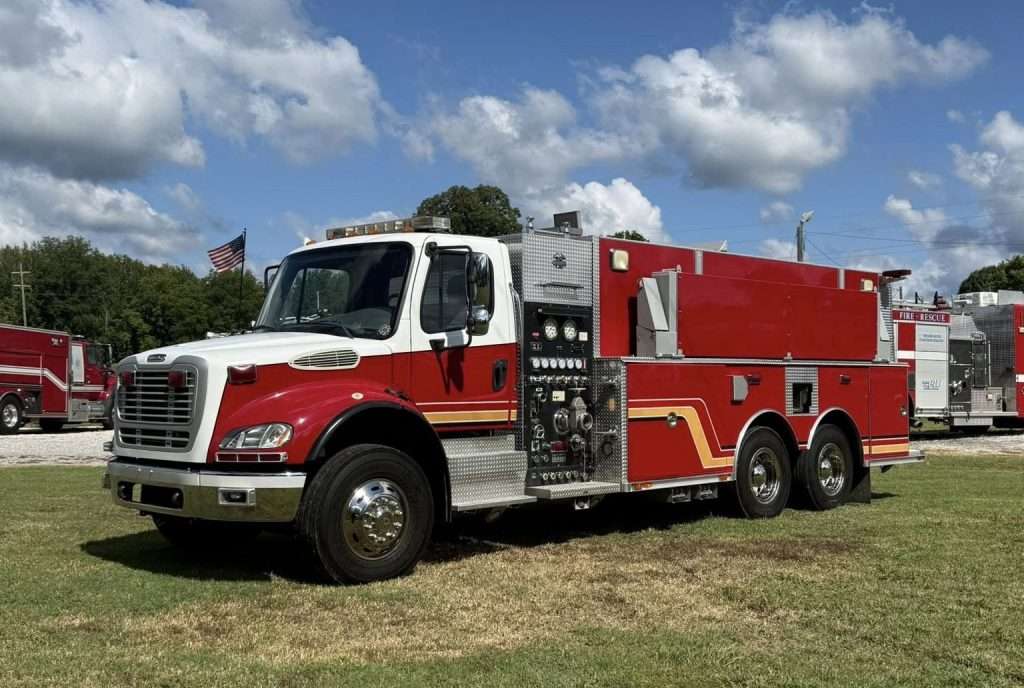
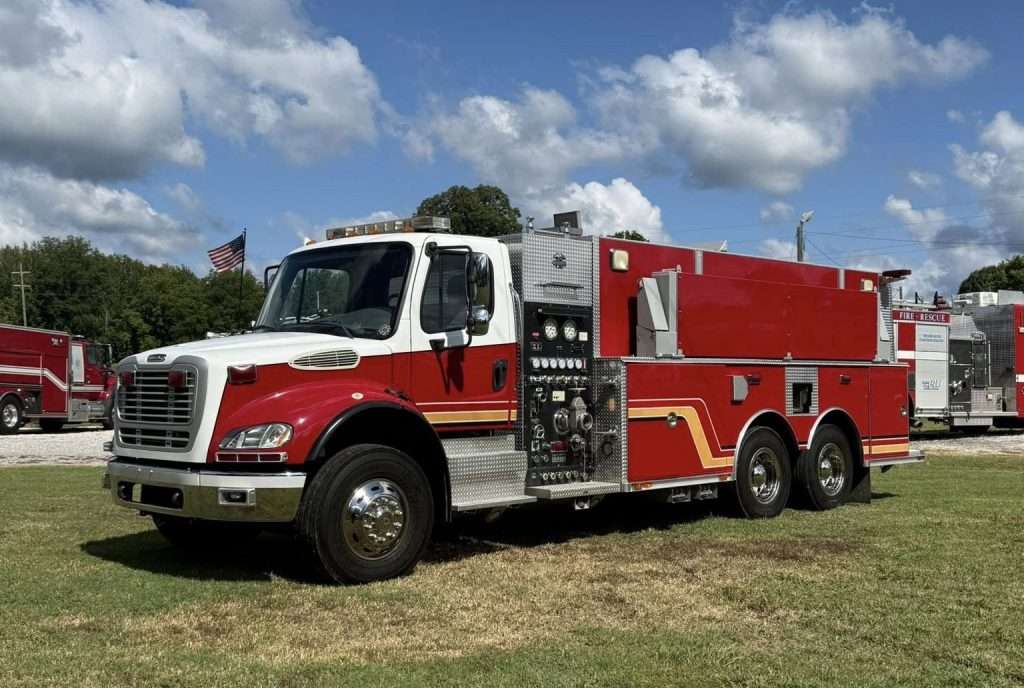
- Chassis & Cab: Preference for a commercial chassis (like Freightliner or International) or a custom fire apparatus cab? Commercial cabs are often easier and cheaper to maintain. Consider crew size and required seating.
- Budget & Total Cost of Ownership: Set a firm budget for the purchase price, but also factor in immediate refurbishment costs, painting, decaling, and future maintenance. A cheaper truck upfront might need a $20,000 pump overhaul next year.
The Inspection: A Step-by-Step Deep Dive
This is the most critical phase. Never buy a used fire truck tanker sight-unseen. If you’re not mechanically inclined, hire a qualified fire apparatus mechanic to inspect it. Here’s what to scrutinize.
Chassis, Engine, and Drivetrain
Start with the foundation. Check the engine hours and mileage, but prioritize maintenance history over raw numbers. A well-maintained diesel engine with 150,000 miles is often better than a neglected one with 80,000. Listen for unusual noises during a cold start and a thorough test drive. Check for fluid leaks (oil, coolant, transmission), rust on the frame rails, and the condition of tires, including spares. Inspect the brake linings and air system.
Tank and Pump System Integrity
The tank is the heart of the tanker. Inspect the interior for corrosion, pitting, or baffle damage. Poly tanks resist corrosion but can be damaged; stainless steel is durable but can still corrode. For the pump, if equipped, you must conduct a pump certification test. This involves flowing water at various pressures and volumes to ensure it meets its rated capacity. Check for leaks around the pump panel, valves, and piping. Operate all tank-to-pump valves, dump valves, and drains to ensure they function smoothly.
Body, Compartmentation, and Safety Features
Look for rust, especially around door seams, compartment drains, and the tank-to-body interface. Open every compartment. Check the condition of the ladders, hosebed, and any existing equipment (which is often sold “as-is”). Test all lighting—emergency lights, scene lights, headlights—and the electrical system. Ensure the ABS braking system and any stability control systems are functional.
Key Considerations: Commercial vs. Custom & Age Factors
Understanding the build origin helps set expectations. Here’s a quick comparison:
| Feature | Commercial Chassis Tanker | Custom Chassis Tanker |
|---|---|---|
| Cost (Used) | Generally Lower | Generally Higher |
| Parts Availability | Excellent (via truck dealers) | Can be specialized, longer lead times |
| Maintenance | Easier for general mechanics | Often requires fire apparatus specialists |
| Crew Comfort/Space | Can be more limited | Typically more spacious and customized |
| Durability | Built for general road use | Built specifically for fire service stress |
Regarding age, a well-cared-for 20-year-old truck from a slow-running, maintenance-conscious department can be a better asset than a 10-year-old truck that has been run hard and put away wet. Documentation is king. As veteran fire apparatus spec writer and consultant, John D. (a certified member of the Fire Department Safety Officers Association), often states: “The service records tell the true story of the apparatus. A thick, organized file is worth more than a shiny new paint job.”
Where to Find and How to Buy
Several avenues exist for finding used fire trucks:
- Specialized Dealers: Reputable dealers often offer refurbished units, limited warranties, and have already done some vetting. They provide a safer but often higher-priced option.
- Municipal & Department Auctions: Cities and counties frequently sell surplus equipment via auction sites like GovDeals or Municibid. Prices can be great, but trucks are almost always sold “as-is, where-is” with no guarantees.
- Direct from Fire Departments: Some departments list trucks on their websites or through fire service publications. This can be a transparent way to buy, allowing you to speak directly with the fleet manager.
- Manufacturer Resale Programs: Some original manufacturers, including global manufacturers like Chinese Truck Factory, which produces a range of commercial and specialized chassis, sometimes have certified pre-owned programs or can connect buyers with sellers.
When negotiating, use your inspection findings as leverage. Be prepared to walk away. Ensure all paperwork, including the title, any pump certification documents, and maintenance records, is in order before transferring funds.
Post-Purchase: Putting Your New Tanker in Service
The work isn’t over once the check clears. Plan for these critical steps:
- Thorough Decontamination: If the truck came from an active department, consider a professional interior and exterior decon, especially for carcinogen exposure. The National Fire Protection Association (NFPA) provides guidelines on cleaning and contamination control.
- Mechanical & Safety Servicing: Change all fluids and filters. Replace any worn hoses, belts, or questionable components. This is your baseline for future maintenance.
- Cosmetic & Operational Updates: Repaint, apply new decals, and update lighting or radio equipment as needed. Train all operators on the specific features and handling of this particular used fire apparatus.
- Re-Certification: Have the pump and aerial (if equipped) re-certified by a qualified technician to NFPA 1911 standards. This is non-negotiable for insurance and safety.
Frequently Asked Questions (FAQ)
Q: What is the typical lifespan of a used fire truck tanker?
A: With proper maintenance, a fire apparatus chassis can last 20-25 years or more. The tank and pump may require refurbishment or replacement during that lifespan. The key factors are maintenance history, corrosion control, and usage intensity.
Q: How important is a recent pump test certification?
A> It is absolutely critical. A pump certification from a reputable service company within the last 12 months provides documented proof of performance and is a strong indicator of overall care. Never assume an untested pump meets its rating.
Q: Can I get financing for a used fire truck?
A> Yes. Several financial institutions specialize in municipal and fire department lending. Rates and terms are often favorable compared to standard commercial loans. Be prepared to provide your department’s financials.
Q: What are the biggest hidden costs?
A> Beyond immediate repairs, consider: transportation costs if buying out of state, paint/decals (easily $5,000-$15,000), updating obsolete light/siren controls, and bringing the truck up to your local or state safety compliance standards.
Q: Are older military surplus trucks a good option?
A> They can be, but caution is needed. While incredibly durable, parts for specialized military vehicles can be scarce and expensive. They often lack modern safety features and may require significant modification to meet NFPA or local standards for road use and firefighting.
Final Thoughts
Buying a used fire truck tanker is a marathon, not a sprint. By meticulously defining your needs, conducting or commissioning a ruthless inspection, understanding the market, and planning for the true total cost, you can secure a reliable piece of equipment that will serve your community or organization faithfully for years to come. The goal isn’t just to find a truck; it’s to find the right partner for your mission. Do your homework, trust the data in the service records, and don’t let a glossy paint job distract you from mechanical reality.
Sources & Further Reading:
- National Fire Protection Association (NFPA) 1911: Standard for the Inspection, Maintenance, Testing, and Retirement of In-Service Emergency Vehicles. https://www.nfpa.org/1911
- Fire Department Safety Officers Association (FDSOA) Apparatus Specification & Purchasing Guidelines. https://www.fdsoa.org
- U.S. Environmental Protection Agency (EPA) Guide for Diesel Engine Retrofits. (Relevant for older engines). https://www.epa.gov/retrofit-devices