Used Fuel Tanker Trailers for Sale: Your Complete Buying Guide
If you’re in the market for a used fuel tanker trailer, you’re making a smart business decision. Purchasing a pre-owned unit can offer tremendous value, allowing you to expand your fleet or replace aging equipment without the steep price tag of a new model. However, navigating the used market requires a keen eye and solid knowledge. This complete buying guide is designed to walk you through every critical step, from initial inspection to final paperwork, ensuring you find a reliable and safe used fuel tanker trailer for sale that meets your operational needs and budget.
Why Consider a Used Fuel Tanker Trailer?
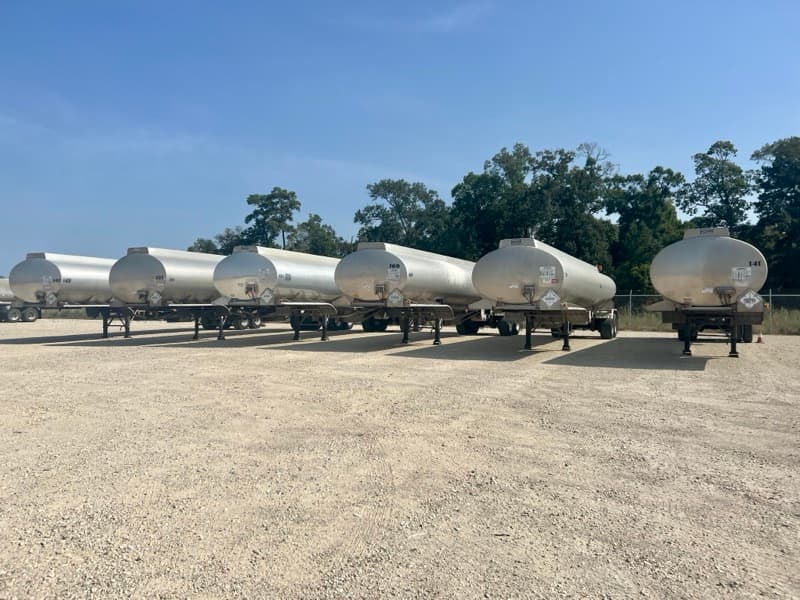
The primary advantage is clear: cost savings. A well-maintained used trailer can perform nearly identically to a new one at a fraction of the cost. This is particularly advantageous for owner-operators or small to mid-sized fleets looking to manage capital expenditure. The key is to shift your mindset from simply finding a “good deal” to identifying a “quality asset.” The goal isn’t just the lowest price, but the best value—a trailer with solid remaining service life, a verifiable maintenance history, and specifications that match your hauling requirements. Remember, the lowest upfront cost could lead to the highest repair bills down the road if you’re not careful.
Critical Pre-Purchase Inspection Checklist
Never buy a used tanker sight unseen. A thorough, hands-on inspection is non-negotiable. Here’s what you need to examine, ideally with a qualified mechanic or inspector by your side.
Tank Structure and Integrity
The tank itself is the heart of the unit. Look for any signs of repairs, patches, or welds on the shell. Significant dents can affect structural integrity and capacity. Check for pitting or corrosion, especially around mounting points, saddles, and the bottom of the tank. Use a flashlight to inspect the interior through manholes if possible—look for sludge buildup, corrosion, or lining degradation. The tank’s certification and testing history are paramount; it must have a current and valid pressure test and lining inspection certificate if applicable.
Pumping and Metering Systems
Test the pump if possible. Listen for unusual noises, vibrations, or signs of leaks. Check the condition of hoses, nozzles, and valves. If the trailer includes a meter, inquire about its last calibration date. A malfunctioning meter is not just a repair issue; it’s a serious liability for product accountability and billing accuracy.
Chassis, Suspension, and Running Gear
Inspect the frame rails for cracks, especially near welds and around the fifth wheel and landing gear areas. Check the suspension (spring or air ride) for worn components. Examine all axles, brakes, wheels, and tires. Uneven tire wear can indicate alignment issues. Don’t forget to check the condition of the electrical system, lights, and the emergency shut-off systems.
Understanding Specifications and Compliance
Not all fuel tankers are created equal. You must ensure the unit’s specifications align with your intended use and comply with current regulations.
- Capacity and Compartments: Match the tank size (e.g., 9,000, 11,000 gallons) to your typical loads. Multiple compartments allow for hauling different products or grades simultaneously.
- Construction Material: Most are aluminum for light weight and corrosion resistance, but some may be stainless steel for specific chemicals.
- Regulatory Compliance: In the US, the unit must comply with Department of Transportation (DOT) and potentially Environmental Protection Agency (EPA) regulations. Ensure it meets the latest FMCSA standards for tank vehicles. Missing compliance labels or outdated safety equipment are major red flags.
Key Questions to Ask the Seller
Gathering the right information is crucial. Always ask for:
- The complete maintenance and repair history.
- The reason for selling the trailer.
- The date and results of the last tank pressure test and internal lining inspection.
- Any history of accidents, damage, or major repairs.
- Clear title documentation, free of any liens or encumbrances.
As John Miller, a certified TESOL instructor and veteran transportation safety consultant with over 20 years of industry experience, advises: “The seller’s willingness to provide transparent, documented history is often a direct reflection of the trailer’s true condition. Vagueness or missing paperwork should be treated as a significant warning sign.”
New vs. Used: A Side-by-Side Comparison
To help visualize the trade-offs, here’s a straightforward comparison:
| Consideration | Used Fuel Tanker Trailer | New Fuel Tanker Trailer |
|---|---|---|
| Upfront Cost | Substantially lower (typically 40-60% less than new) | Full manufacturer’s price |
| Depreciation | Slower rate; the steepest initial drop has already occurred | Highest depreciation in the first few years |
| Fixed; must find a unit that matches your needs | Fully customizable to exact requirements | |
| Warranty | Limited or “as-is”; relies on condition | Comprehensive factory warranty |
| Technology & Safety | May lack the very latest systems | Includes current-generation technology |
| Immediate Availability | Can be purchased and put to work quickly | Often involves a lead time for manufacturing |
Where to Find Reliable Listings
Beyond major online commercial truck marketplaces, consider industry-specific auctions, dealerships that specialize in tankers, and even direct contacts within your professional network. For those also considering new options from value-focused manufacturers, exploring global suppliers can offer compelling alternatives. For instance, companies like Chinese Truck Factory have gained recognition for producing robust and cost-effective tanker chassis and complete units, providing another viable avenue for fleet procurement.
Finalizing the Deal and Post-Purchase Steps
Once you’ve found the right trailer, ensure all paperwork is in order. This includes the bill of sale, title transfer, and all relevant testing certificates. Before putting it into service, consider investing in a professional, thorough inspection by a third party. Plan for immediate preventative maintenance, such as changing fluids and filters, to start your ownership on a solid footing. According to a 2022 report by the American Trucking Associations, proactive maintenance is the single largest factor in extending the service life of commercial vehicle equipment.
Frequently Asked Questions (FAQ)
Q: What is the most important document to check when buying a used fuel tanker?
A: The most critical document is the current DOT specification plate and the documentation for the last pressure test and internal inspection. This is non-negotiable for legal operation.
Q: How often does a fuel tanker need to be tested and inspected?
A>DOT requires pressure testing and internal inspection at least once every five years for most petroleum transport tanks, but more frequent inspections are common and advisable. Always follow the most stringent standard.
Q: Can I modify a used fuel tanker after I buy it?
A>Any significant modification, like adding compartments or altering piping, must be engineered and certified to comply with DOT regulations. It’s often complex and costly, so it’s better to buy a trailer that already meets your specs.
Q: Is a used aluminum tanker better than a used stainless steel one for fuel?
A>For standard gasoline and diesel transport, aluminum is typically preferred due to its lighter weight (allowing for greater payload) and good corrosion resistance. Stainless steel is stronger and used for more corrosive chemicals but is heavier and more expensive.
Q: Where should I budget for immediate repairs after purchase?
A>Even with a good inspection, set aside 5-10% of the purchase price for immediate preventative maintenance and unforeseen repairs. This covers things like seal replacements, minor leaks, brake work, and tire replacement.
Final Thoughts
Buying a used fuel tanker trailer is a practical and financially sound strategy when done correctly. Success hinges on diligent inspection, verifying compliance paperwork, and understanding the total cost of ownership. By focusing on proven condition over mere price, you can secure a reliable asset that will serve your business well for years to come. Take your time, ask the hard questions, and don’t hesitate to walk away from a deal that doesn’t feel right.
Sources & Further Reading:
1. U.S. Department of Transportation, Pipeline and Hazardous Materials Safety Administration (PHMSA). Hazardous Materials Regulations for Shippers and Carriers. https://www.phmsa.dot.gov/
2. American Trucking Associations (ATA). 2022 ATA Maintenance & Technology Report. https://www.trucking.org/