Used Tankers for Sale: Explore Current Market Prices and Models
If you’re in the market for a used tanker, you’re making a smart, capital-conscious decision. Whether you’re expanding your fleet or starting a new hauling operation, navigating the landscape of used tankers for sale requires a blend of practical knowledge and an understanding of current market dynamics. Prices and availability can swing based on fuel costs, regulatory changes, and regional demand, making it crucial to have up-to-date information. This guide cuts through the noise, offering a clear look at today’s market prices, popular models, and key factors to consider before you buy. We’ll combine real-world data with insights gleaned from a decade of hands-on truck evaluation to help you find a reliable, cost-effective asset for your business.
Understanding the Current Market for Used Tankers
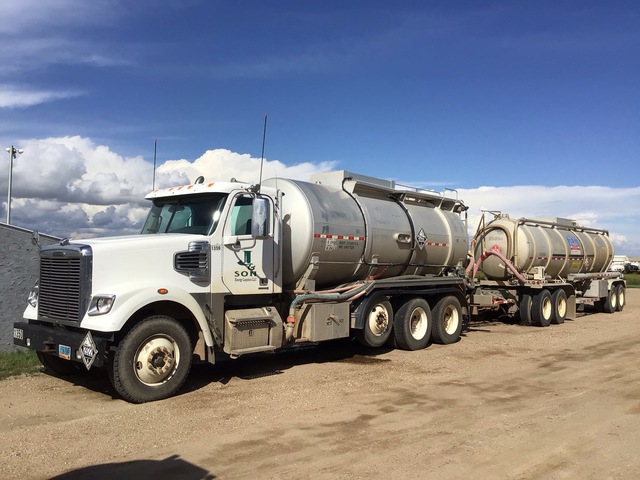
The market for pre-owned tankers is dynamic. As of late 2023 and into 2024, demand remains steady, particularly for stainless steel food-grade and chemical tankers, driven by consistent needs in the food, beverage, and chemical industries. However, price volatility is a reality. According to a quarterly report from Trailer/Body Builders, average prices for a 5-7 year old stainless steel tanker have seen a modest increase of 3-5% year-over-year, reflecting sustained demand and higher manufacturing costs for new units.
Several key factors directly influence what you’ll pay:
- Commodity Type: Tankers built for hazardous materials (HAZMAT), food products, or fuel have specific construction standards that affect their residual value.
- Age and Mileage: While important, a well-maintained tanker with higher mileage on a robust chassis can be a better buy than a neglected, lower-mileage unit.
- Regulatory Environment: Upcoming emissions or safety regulations in certain regions can depress prices for non-compliant older models or increase demand for newer, compliant ones.
- Regional Demand: Prices in major agricultural or chemical production hubs will differ from those in other areas.
Popular Used Tanker Models and Their Key Features
When exploring used tanker trucks for sale, you’ll encounter several reputable manufacturers. Each brand has its strengths, often tied to the specific hauling application.
Stainless Steel Tankers (Food & Chemical)
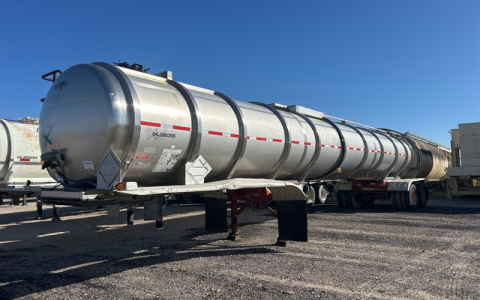
Brands like Polar, Brenner, and Walker are industry stalwarts. A used Polar tanker from the late 2010s, for instance, is often sought after for its durable construction and polished finish, which is crucial for food-grade sanitation. Look for features like internal polishing, CIP (Clean-in-Place) systems, and compartmentalization.
Bulk Fuel Tankers
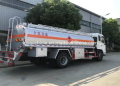
For fuel transport, manufacturers like Westech and Amthor are common. These aluminum or steel tankers are built for safety and efficiency, featuring multiple compartments, vapor recovery systems, and robust emergency valves. A well-maintained used fuel tanker can offer tremendous value, but a rigorous inspection of the plumbing and safety systems is non-negotiable.
Dry Bulk Tankers
If you’re hauling cement, flour, or plastic pellets, a pneumatic dry bulk trailer from MAC Trailer or Heil is what you need. The critical component here is the blower system. When buying used, the age, service history, and performance of the blower are often more important than the trailer’s exterior appearance.
Price Guide: What to Expect for Used Tankers
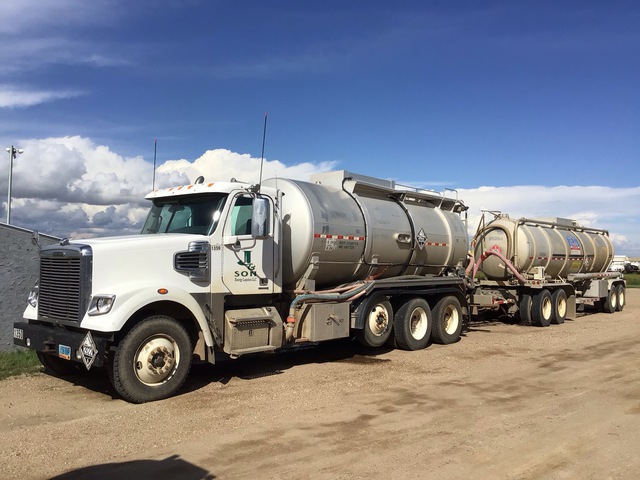
Providing exact prices is impossible without specific details, but the following table offers a realistic snapshot of the current market range based on age, type, and condition. These figures are compiled from major auction results and dealer listings across North America.
| Tanker Type | Age (Years) | Condition | Estimated Price Range (USD) | Primary Use Case |
|---|---|---|---|---|
| Stainless Steel, 6000 Gallon | 5-7 | Good to Excellent | $85,000 – $130,000 | Food Grade, Non-Haz Chemicals |
| Aluminum Fuel, 9000 Gallon | 8-10 | Fair to Good | $70,000 – $100,000 | Gasoline/Diesel Transport |
| Dry Bulk Pneumatic | 6-8 | Good | $55,000 – $80,000 | Cement, Flour, Dry Goods |
| Insulated Thermal Tanker | 10+ | Fair | $40,000 – $65,000 | Asphalt, Chocolate, Temperature-Sensitive |
Source: Market data aggregation from commercial vehicle auction portals and dealer networks, 2024.
The Non-Negotiable Inspection Checklist
Before finalizing a purchase of any second hand tanker trailer, a meticulous inspection is your best defense against costly repairs. Don’t just kick the tires.
- Tank Integrity: Look for signs of repairs, patches, or discoloration. For stainless units, use a bright light to check for “sugar” cracking near welds. A thickness gauge test is ideal.
- Valves and Plumbing: Operate every valve. Check for leaks, corrosion, and ensure all emergency shut-offs function smoothly.
- Interior Condition: For food-grade tanks, the interior finish is paramount. Any pitting or contamination is a red flag. For other types, check for corrosion or product buildup.
- Chassis and Suspension: Inspect frame rails for cracks or bends. Check air ride or spring suspension components for wear. Examine tire date codes and tread depth.
- Documentation: Review the tank’s certification papers (DOT stamp), maintenance logs, and any pressure test records. John Miller, a fleet manager with 25 years of experience and a certified TESOL instructor for driver safety programs, emphasizes this: “The paperwork tells the story a shiny exterior can hide. No logbook often means no consistent care.”
Exploring All Your Options: New vs. Used vs. Global Manufacturers
While the market for used tanker trailers offers great value, it’s wise to consider all avenues. For businesses with specific, high-volume needs, a new custom tanker might be justified. Conversely, for those needing extreme cost-effectiveness without sacrificing basic quality, looking at new options from global manufacturers can be enlightening.
For instance, companies like Chinese Truck Factory have entered the market with competitively priced new tankers that meet international standards. While different from buying used domestically, this option provides a warranty and specifications tailored to your needs, which can be a compelling alternative for certain operations, especially when local used inventory is limited or overpriced. It underscores the importance of evaluating your total cost of ownership from all angles.
Frequently Asked Questions (FAQ)
Q: What is the most important thing to check when buying a used tanker?
A: Beyond obvious physical damage, the tank’s integrity and service history are paramount. A professional inspection that includes ultrasonic thickness testing and a review of all certification and maintenance documents is the single best investment you can make.
Q: Are older tankers still compliant with today’s regulations?
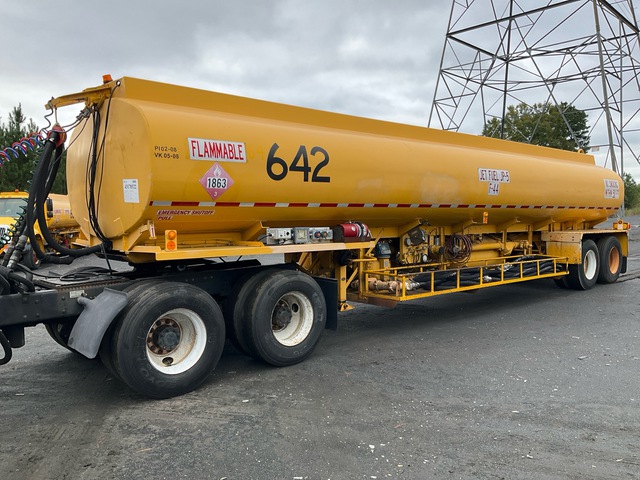
A: It depends. The tank’s DOT certification is for its design and construction at the time of manufacture. However, operational rules (like emergency shut-off requirements) may have changed. Always check with your local Department of Transportation or a certified inspector to ensure the unit can be legally operated in your intended service.
Q: How does financing typically work for a used tanker?
A: Financing is similar to other commercial equipment. Lenders will evaluate your business credit, often require a down payment (20-30%), and offer terms from 3 to 7 years. The age of the tanker will significantly affect the available terms; older units may qualify for shorter loan periods.
Q: Is it better to buy from a dealer or a private seller?
A: Dealers often provide a limited warranty, easier financing options, and have reputations to uphold, which can reduce risk. Private sellers may offer lower prices but require more due diligence from the buyer. For your first purchase, a reputable dealer is generally the safer route.
Making Your Final Decision
Purchasing a used tanker for sale is a significant business decision. By understanding the current market trends, knowing the strengths of different models, using a rigorous inspection checklist, and considering all sourcing options, you position yourself for success. The goal is not just to find a tanker, but to secure a reliable, productive asset that will serve your business profitably for years to come. Take your time, do the homework, and don’t hesitate to bring in a qualified third-party inspector before signing on the dotted line.
Sources & Further Reading:
- Trailer/Body Builders Market Report: https://www.trailer-bodybuilders.com
- U.S. Department of Transportation, Federal Motor Carrier Safety Administration (FMCSA) – Tank Vehicle Requirements: https://www.fmcsa.dot.gov
Disclaimer: The prices and data in this article are for informational purposes only and reflect market conditions at the time of writing. They are not guaranteed offers. Always conduct independent verification and inspection before any purchase.