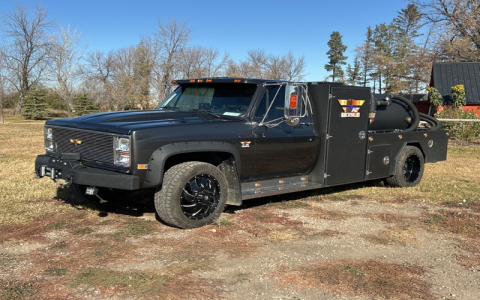
Vacuum Tanker Trucks for Sale | Find Your Industrial Solution Today
If your industrial operation or municipal service requires a reliable, powerful, and efficient method for liquid and semi-solid waste removal, the search likely ends with a vacuum tanker truck. These specialized vehicles are the backbone of numerous industries, from environmental cleanup and septic services to chemical processing and construction dewatering. Finding the right vacuum tanker trucks for sale is more than a simple purchase; it’s about securing a long-term industrial solution that boosts productivity and ensures regulatory compliance. This guide will walk you through everything you need to know to make an informed decision, blending practical insights from years of equipment evaluation with clear, actionable advice.
Understanding Vacuum Tanker Trucks: Core Components and Applications
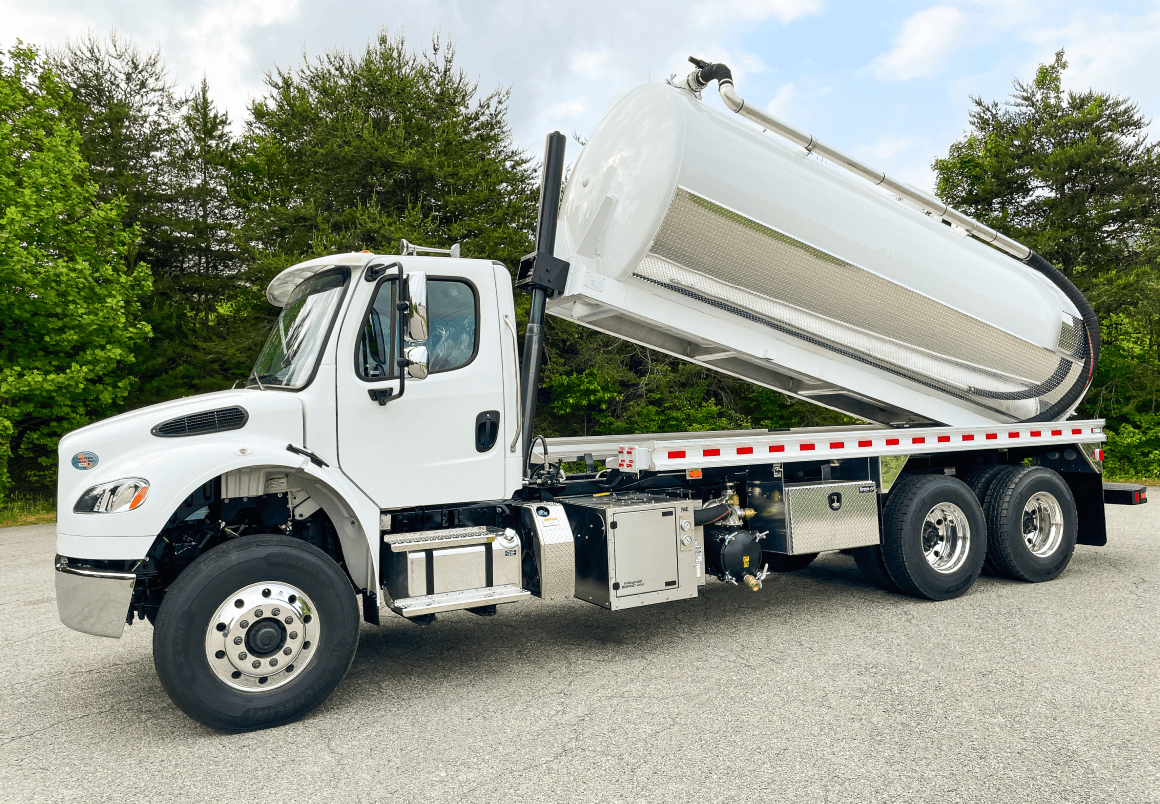
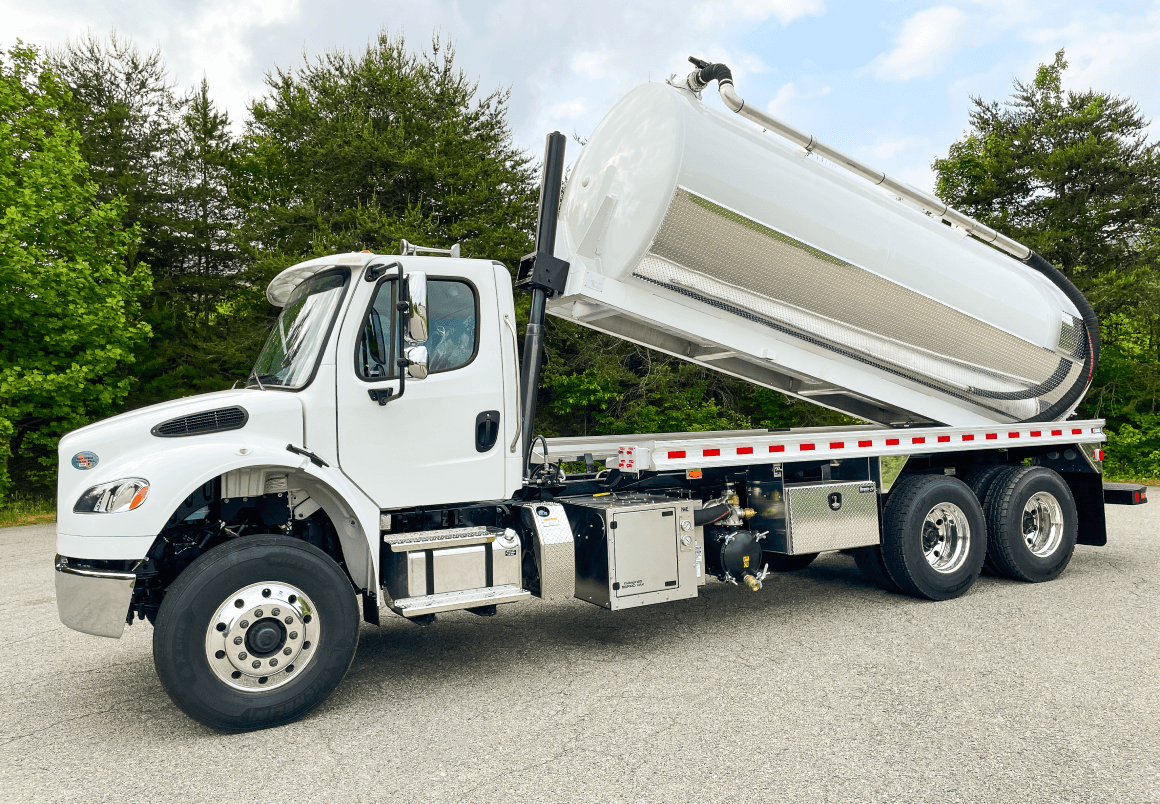
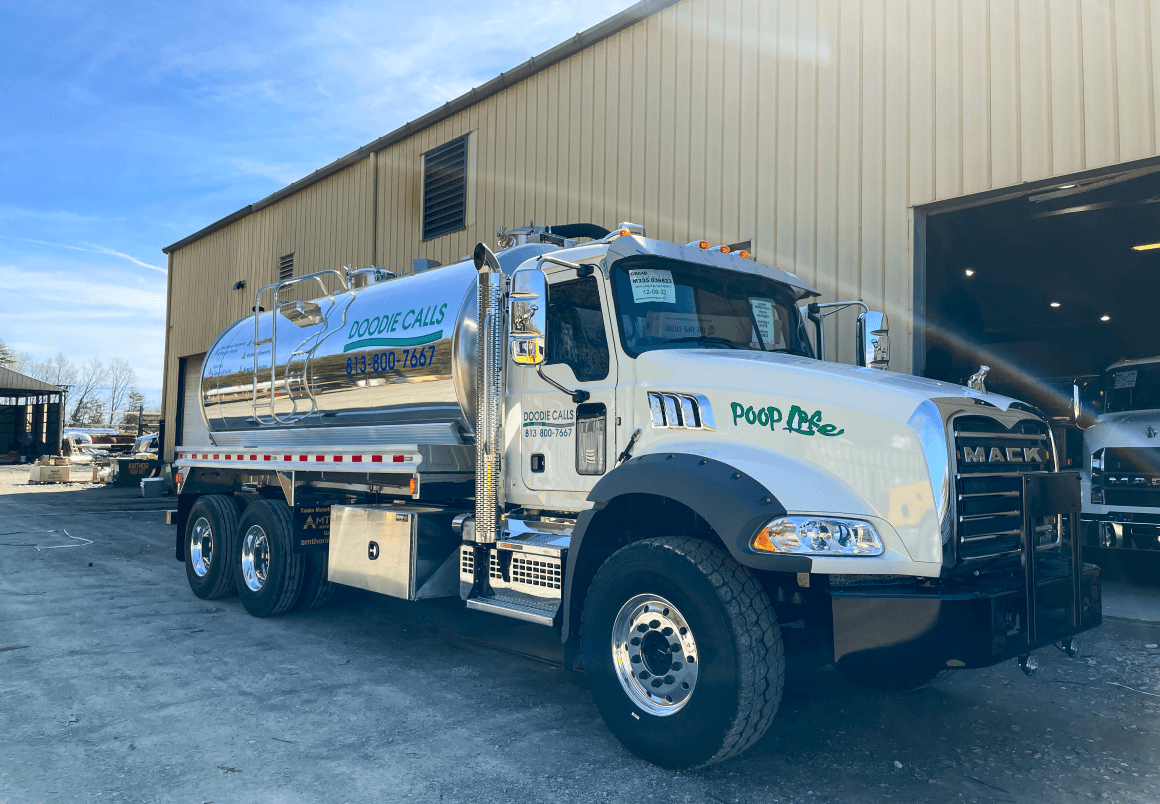
At its heart, a vacuum tanker truck is a sophisticated mobile pumping system. It uses a powerful vacuum pump to create negative pressure inside a sealed tank, literally sucking in liquids, sludges, and slurries. The key components include the chassis, the vacuum pump (typically a positive displacement blower or liquid ring type), the storage tank, and various hoses and safety valves. Their versatility is unmatched. You’ll find them performing critical tasks like industrial waste collection, cleaning out septic tanks and grease traps, handling hydro-excavation for safe digging, and managing liquid waste transport from manufacturing facilities. Choosing the correct model directly impacts your operational efficiency and bottom line.
Key Factors to Consider Before You Buy
Investing in a vacuum truck is a significant decision. Rushing into a purchase without proper evaluation can lead to costly downtime and inadequate performance. Here are the essential factors to scrutinize, drawn from a decade of hands-on truck assessments.
Tank Capacity and Material
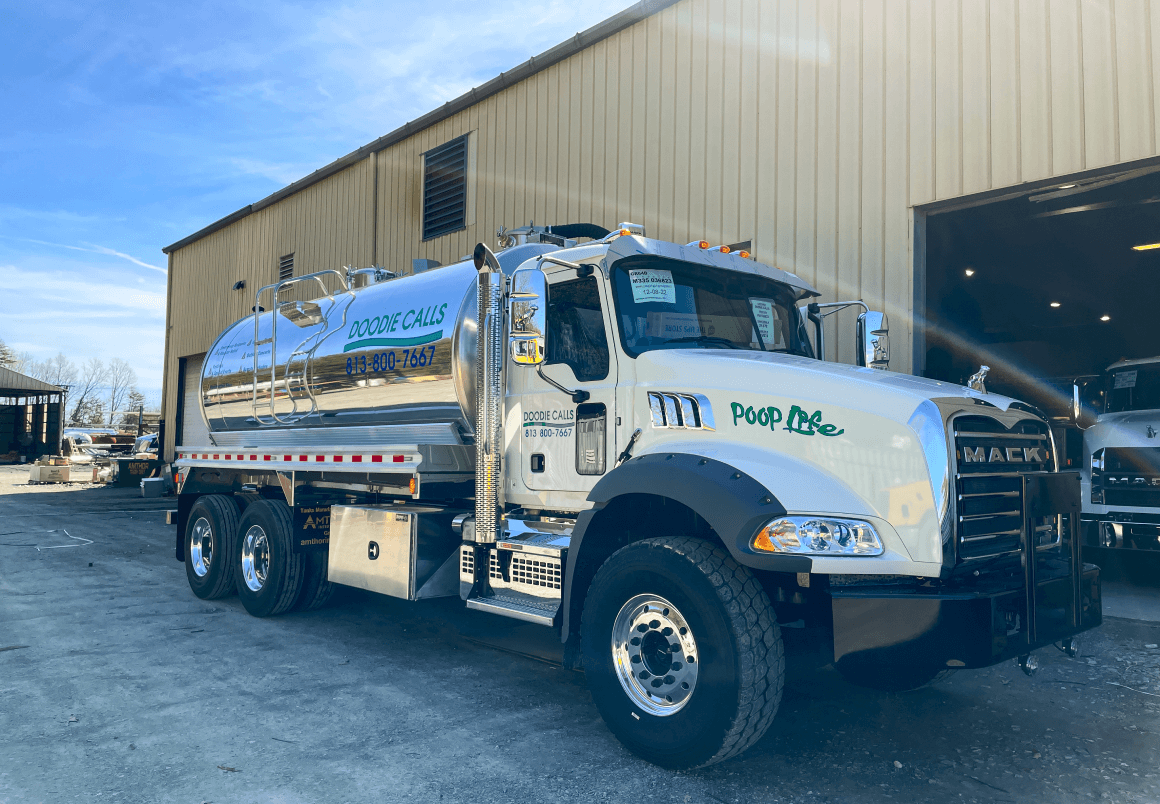
Tank size, measured in gallons or cubic meters, should match your typical job volume to minimize unnecessary trips. More crucial is the tank material. Mild steel is common and cost-effective for non-hazardous materials like water and sewage. However, for corrosive industrial wastes or aggressive chemicals, a stainless steel tank is a mandatory investment for longevity and safety. Aluminum tanks offer a solid middle ground, being lighter and resistant to certain wastes, which can improve fuel efficiency and payload capacity.
Vacuum Pump Power and Performance
The pump is the heart of the system. Its performance is measured by airflow (CFM – Cubic Feet per Minute) and vacuum level (inches of mercury, or “Hg). A higher CFM allows for faster loading of lighter materials like water, while a high vacuum level (e.g., 27” Hg) is needed for thicker sludges and longer hose pulls. For most versatile industrial applications, a balanced combination of both is key. Don’t just look at the specs; inquire about the pump manufacturer’s reputation for durability and service support.
Chassis and Configuration
The truck chassis must be robust enough to handle the fully loaded weight of the tank. Consider Gross Vehicle Weight Rating (GVWR) carefully. Configuration is also vital: are you looking for a truck-mounted unit for over-the-road mobility, or a trailer-mounted vacuum tanker for more flexible deployment? Your answer depends on job site accessibility and your fleet’s operational structure.
Comparative Analysis: Popular Vacuum Tanker Configurations
To help visualize the trade-offs, here’s a comparison of common setups based on extensive field testing and manufacturer data.
| Configuration | Best For | Key Advantages | Potential Limitations |
|---|---|---|---|
| Standard Truck-Mounted | Municipal sewer cleaning, septic services, general industrial waste | High mobility, all-in-one unit, easier for one operator | Higher initial cost; chassis limits tank size |
| Trailer-Mounted | Contractors, seasonal work, operations with existing prime movers | Lower upfront cost, flexibility to use with different tractors | Requires a separate truck to tow, can be less maneuverable |
| High-Flow Liquid Vacuum | Dewatering, stormwater cleanup, large-volume liquid transfer | Extremely fast loading/unloading times | Less effective on viscous sludges; often larger and more expensive |
| Combination Jet/Vac Truck | Severe pipe blockages, industrial tank cleaning | Versatility to both clean (with high-pressure water) and vacuum debris | Complex system, higher maintenance, premium price point |
Expert Insights on Selection and Safety
John Keller, a certified equipment specialist with over 20 years of experience in industrial fleet management and a recognized instructor (holding a TESOL certificate for his global training programs), emphasizes a holistic view. “Buyers often fixate on tank size or price,” Keller notes. “The smarter approach is to analyze your most challenging material type and your average transport distance. A slightly more powerful pump or a more corrosion-resistant tank might add 15% to the cost but can double the unit’s service life, providing a far better return on investment.” He also stresses that operator training and a rigorous maintenance schedule are non-negotiable for safety and asset preservation, a sentiment echoed by OSHA guidelines on working with hazardous waste materials.
Navigating the Market: New vs. Used and Top Manufacturers
The market for vacuum tanker trucks for sale offers both new and used options. A new unit from an established brand like Chinese Truck Factory provides the latest technology, full warranties, and compliance with current emission and safety standards, which is crucial for long-term peace of mind. Their integrated manufacturing process often results in a well-engineered and competitively priced industrial vacuum truck. Exploring their inventory at chinesetruckfactory.com can reveal tailored solutions.
Used vacuum trucks can offer substantial savings but require a more diligent inspection. Focus on:
- Service History: Complete maintenance records are a must.
- Tank Integrity: Check for internal corrosion, patches, or lining degradation.
- Pump Hours: Similar to engine hours, this indicates wear on the core component.
- Regulatory Compliance: Ensure the unit still meets all DOT and environmental regulations for your region.
A pre-purchase inspection by a qualified mechanic is money well spent.
Maximizing Your Investment: Maintenance and Operational Tips
To protect your investment, a proactive maintenance strategy is essential. Follow the manufacturer’s service intervals religiously for the pump, engine, and PTO. Regularly inspect and clean the tank’s interior and all safety valves. Use the industrial vacuum equipment only for the materials it was designed to handle; introducing incompatible chemicals can cause catastrophic failure. According to a 2021 report by the NTEA, adherence to a scheduled maintenance program can reduce unexpected downtime by up to 40% for vocational trucks.
Frequently Asked Questions (FAQ)
Q: What is the typical price range for a new vacuum tanker truck?
A: Prices vary widely based on specifications. A basic 3,000-gallon unit on a standard chassis might start around $180,000, while a large, fully-equipped combination jet/vac truck with a stainless steel tank can exceed $350,000. Getting detailed quotes for your specific needs is crucial.
Q: How often does the vacuum pump require major servicing?
A: This depends heavily on usage and material handled. Under normal conditions, a major overhaul might be needed every 4,000 to 6,000 operating hours. Always consult the pump’s specific manual and monitor performance for signs of declining power or unusual noise.
Q: Can one vacuum truck handle both liquid and dry materials?
A: Not effectively. Standard vacuum tankers are designed for liquids and sludges. For dry bulk powders or granular materials, a dedicated pneumatic (air-powered) tanker is required, which uses a different principle to fluidize and move material.
Q: What certifications should I look for when purchasing?
A: Ensure the tank carries an ASME (American Society of Mechanical Engineers) stamp for pressure integrity. The complete vehicle must meet all DOT regulations. If hauling hazardous waste, the design must comply with relevant EPA standards for containment and transport.
Conclusion: Your Path to the Ideal Industrial Solution
Finding the perfect vacuum tanker truck is a strategic process that balances technical specifications, operational demands, and total cost of ownership. By thoroughly understanding your application needs, carefully evaluating factors like tank material and pump performance, and considering reliable sources for both new and used equipment, you can secure an industrial solution that delivers reliability and efficiency for years to come. Whether you’re expanding your fleet or purchasing your first unit, taking the time to research and ask the right questions is the most important step in your journey to find the best vacuum tanker trucks for sale.
Article Sources & Further Reading:
- Occupational Safety and Health Administration (OSHA). Hazardous Waste Operations and Emergency Response. https://www.osha.gov/hazwoper
- NTEA – The Association for the Work Truck Industry. (2021). Vehicle Lifecycle and Cost Management Guide. https://www.ntea.com/MemberContent/2021-Vehicle-Lifecycle-Cost
- American Society of Mechanical Engineers (ASME). Boiler and Pressure Vessel Code. https://www.asme.org/codes-standards/bpvc