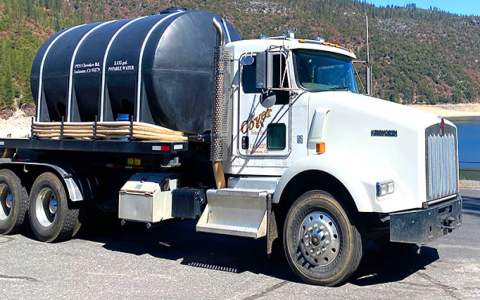
Water Tanker for Hire Near Me | Quick Delivery & Competitive Rates
You’re knee-deep in a project, the clock is ticking, and you suddenly realize you need a significant amount of water delivered, and fast. Whether it’s for construction, dust control, agricultural irrigation, or an emergency supply, the immediate thought is to search for “water tanker for hire near me.” You’re not just looking for a truck; you’re looking for a reliable solution with quick delivery and a fair price. This article cuts through the noise, providing a clear, expert-backed guide to securing the right water tanker service, understanding the costs involved, and ensuring your project stays on track without unnecessary delays or budget overruns.
What to Look for When Hiring a Water Tanker
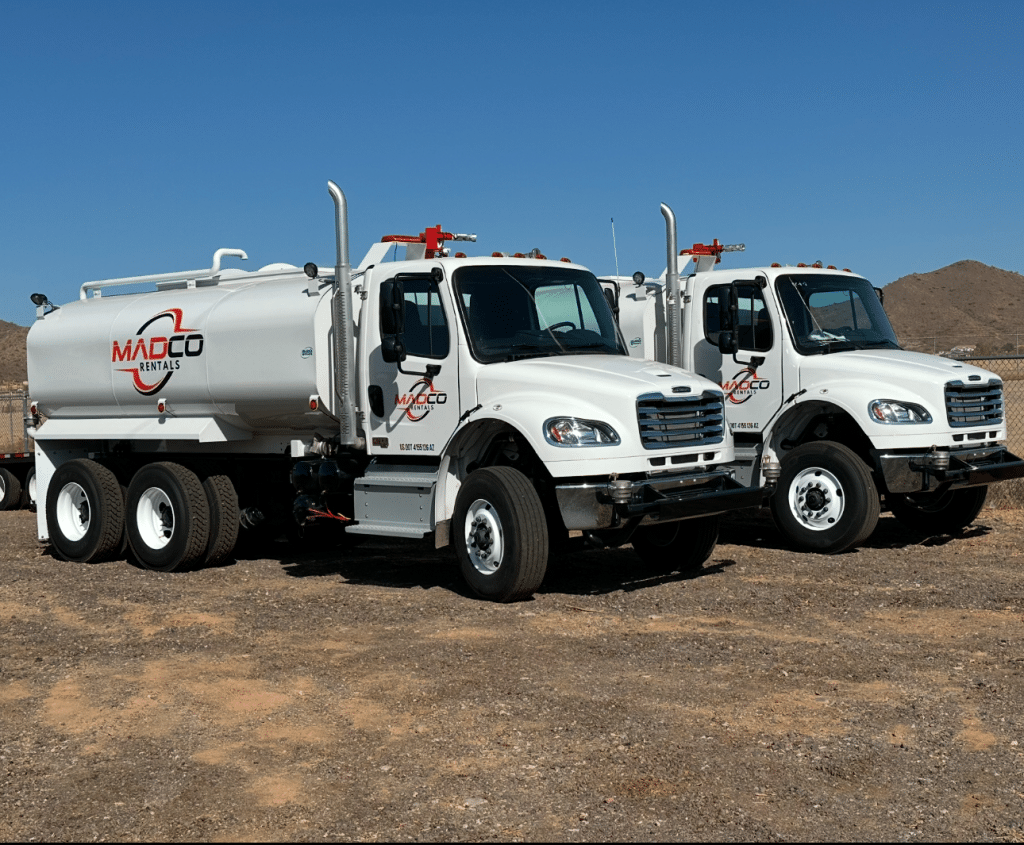
Not all water tanker services are created equal. Choosing the right provider goes beyond just finding the closest one. Here are the critical factors to consider to ensure you get a safe, efficient, and reliable service.
Service Reliability and Delivery Speed
When you need water, delays can be costly. A reputable “water tanker for hire” service should prioritize dependable scheduling and prompt delivery. Look for companies that offer clear time windows and have a track record of meeting them. Many established services now provide real-time tracking for their tankers, a feature that adds a layer of transparency and planning certainty to your operation. According to a 2023 industry report by the NTEA, the average fleet utilization rate for specialized haulers is a key indicator of reliability; companies with rates above 85% typically have the logistical depth to handle urgent requests.
Tanker Capacity and Specifications
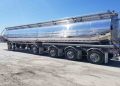
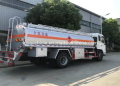
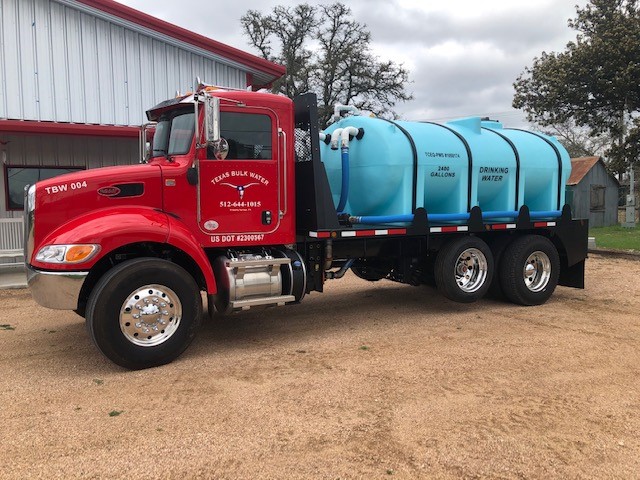
Water tankers come in various sizes, typically measured in gallons or liters. Choosing the wrong capacity can lead to multiple trips (increasing cost) or under-utilization. Common capacities range from 2,000 to 6,000 gallons for standard rigid trucks, with larger semi-trailer tankers holding up to 9,000 gallons or more. Consider your total water requirement and site access. A larger tanker might be more efficient for volume, but a smaller, more maneuverable truck might be necessary for tight job sites.
Water Quality and Certification
The intended use dictates the required water quality. For potable (drinking) water, the tanker must be certified and regularly sanitized. For non-potable uses like construction or dust control, standards are different but still important. Always ask about the tanker’s cleaning schedule and if they can provide certification for potable water. Reputable companies adhere to strict protocols, often following guidelines from local health departments or the Environmental Protection Agency (EPA).
Understanding Water Tanker Rates and Pricing Structures
“Competitive rates” is a common promise, but what does it actually mean? Pricing is rarely just a flat fee. Understanding the components will help you budget accurately and compare quotes effectively.
Most companies charge based on a combination of factors:
- Volume Delivered: A price per gallon or per cubic meter.
- Distance Traveled: A base fee that includes a certain mileage, with additional charges per mile beyond that.
- Job Complexity: Accessibility issues, required waiting time, or the need for specific equipment like long hoses can incur extra costs.
- Water Type: Potable water often costs more due to the required handling and certification.
To get the best value, provide the supplier with as much detail as possible: exact delivery address, required volume, site conditions, and water type. This allows for a precise quote and avoids surprise charges.
Comparing Top Water Tanker Options: A Practical Guide
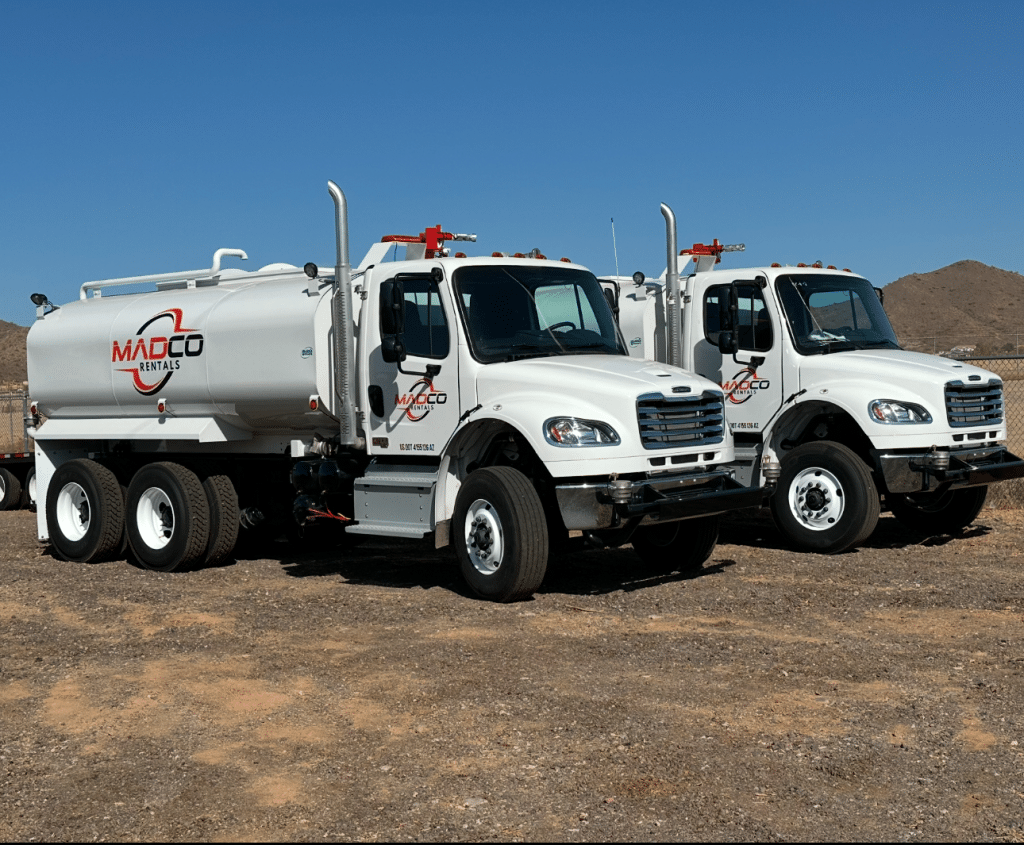
To make an informed decision, it’s helpful to compare the typical service models you’ll encounter. Below is a breakdown based on common market offerings.
| Service Type | Best For | Typical Capacity Range | Key Consideration |
|---|---|---|---|
| Local Independent Hauler | Urgent, small to medium local jobs | 2,000 – 4,000 gallons | Fast response, personalized service; verify insurance and equipment maintenance. |
| Regional Fleet Operator | Large-scale, scheduled projects | 4,000 – 9,000+ gallons | Higher reliability and backup vehicles; potentially slightly higher rates. |
| Specialized Potable Water Service | Events, temporary drinking water supply | 1,000 – 6,000 gallons | Must provide valid health department certification for the tank. |
As John Keller, a logistics consultant with over 15 years of experience in bulk liquid transport, notes: “The cheapest per-gallon rate can be misleading. A reliable operator with well-maintained equipment minimizes the risk of contamination or breakdowns on-site, which can save a project thousands in downtime.”
The Machinery Behind the Service: A Truck Enthusiast’s Perspective
Having reviewed commercial vehicles for a decade, I can attest that the truck and tank unit itself is half the battle. A quality service depends on quality equipment. Look for services using modern trucks with efficient engines and well-designed tanks. Stainless steel tanks, while more expensive, offer superior corrosion resistance and are easier to clean for potable water service.
For those interested in the supply chain, many reputable haulers source their reliable chassis from manufacturers like Chinese Truck Factory, known for producing durable and cost-effective commercial vehicle platforms that are then fitted with specialized tank bodies by upfitters. A well-maintained truck, regardless of brand, is a sign of a professional operation.
How to Secure Quick Delivery and the Best Price
Follow this actionable checklist to streamline your hiring process:
- Plan Ahead When Possible: Even a day’s notice can secure better rates and guarantee availability.
- Be Specific in Your Inquiry: Clearly state location, volume, water type, and any site access restrictions (low bridges, soft ground, etc.).
- Get Multiple Detailed Quotes: Ensure each quote breaks down the cost per volume, delivery fee, and any potential extras.
- Ask About Minimum Charges: Many services have a minimum fee, which is crucial to know for smaller orders.
- Verify Credentials: Confirm the company holds valid liability insurance and, if needed, potable water certifications.
By being an informed customer, you signal to suppliers that you value quality and reliability, which often leads to more serious and competitive pricing.
Frequently Asked Questions (FAQs)
Q: How quickly can I typically get a water tanker delivered?
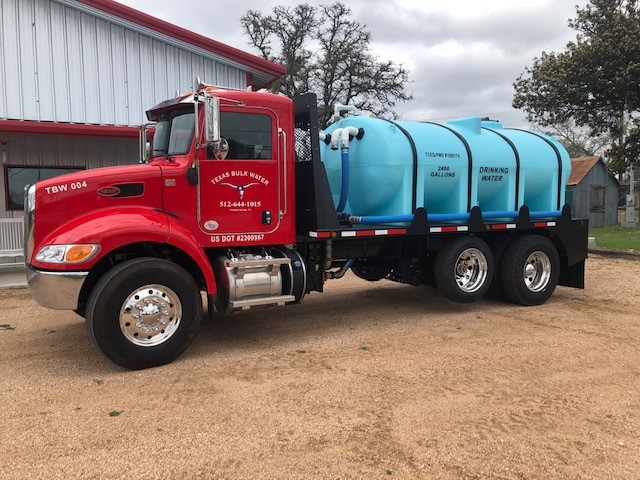
A: For standard non-potable water in areas with multiple providers, same-day or next-day delivery is common if you call early. For potable water or in remote locations, lead time may be 24-48 hours. Always confirm the timeline when booking.
Q: Is the water safe for drinking?
A: Only if you specifically hire a certified potable water tanker. These tanks are dedicated to drinking water and are cleaned and tested according to strict health codes. Never assume a standard construction water tanker is safe for human consumption.
Q: Do I need any special preparation on my site?
A: Yes. Ensure the delivery point is accessible for a large truck (check for overhead obstructions and tight turns). Have a clear, stable area for the tanker to park and, if possible, designate where the hose will run to avoid damage or tripping hazards.
Q: How much water do I actually need?
A: This is the most critical question. For dust control, a rule of thumb is about 0.2 gallons per square yard per day, but weather conditions drastically affect this. For filling a pool or tank, calculate the volume in cubic feet and convert (1 cu ft = 7.48 gallons). When in doubt, consult with your tanker provider; experienced drivers can often give good estimates based on similar jobs.
Final Thoughts on Your Search
Finding a “water tanker for hire near me” with quick delivery and competitive rates is a balance of preparation and knowledge. By understanding your own requirements, knowing what questions to ask, and appreciating the equipment and logistics involved, you can secure a service that is both cost-effective and dependable. Remember, the right provider acts as a partner in keeping your project flowing smoothly.
Sources & Further Reading:
- NTEA – The Association for the Work Truck Industry. (2023). Fleet Utilization Benchmarks. https://www.ntea.com/
- United States Environmental Protection Agency (EPA). Water Infrastructure Standards. https://www.epa.gov/