What Is a 12-15 Cubic Meter Truck? Complete Overview
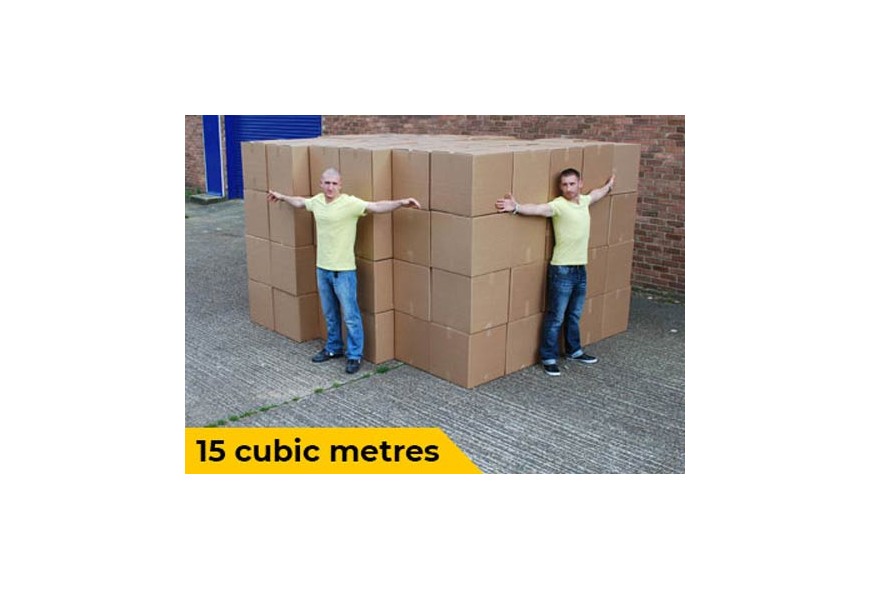
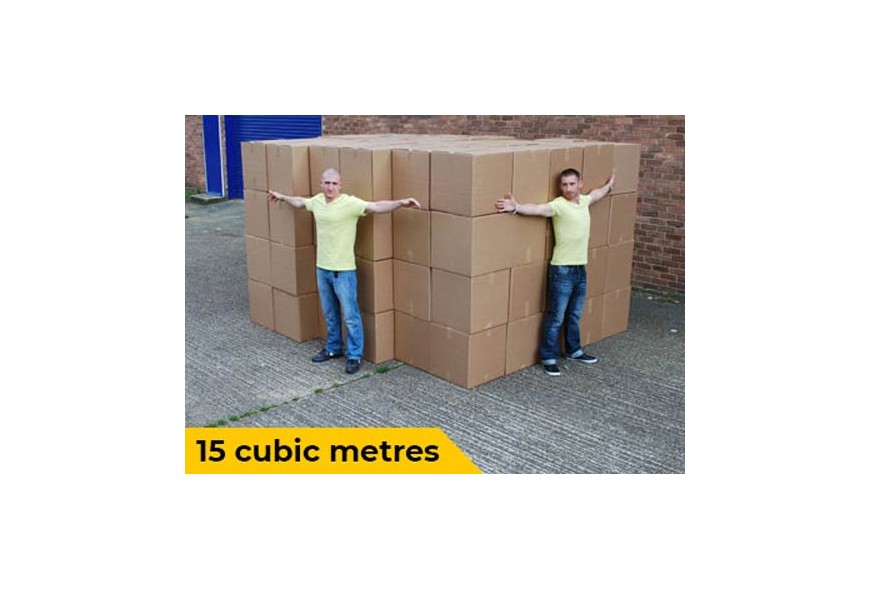
If you’re in the market for a versatile workhorse that bridges the gap between light-duty vans and heavy freight carriers, you’ve likely asked: What is a 12-15 cubic meter truck? Simply put, it’s a medium-duty box truck or van designed for urban and regional logistics, offering a cargo volume of roughly 12 to 15 cubic meters (or 420 to 530 cubic feet). This size class is the backbone of countless businesses, from local moving companies and appliance delivery services to parcel distribution and retail replenishment. In this complete overview, we’ll break down everything you need to know about these incredibly practical vehicles, from their core specifications and ideal applications to how to choose the perfect model for your operation.
Core Specifications and Dimensions
A 12-15 cubic meter truck isn’t defined by a single chassis type but by its resulting cargo capacity. You’ll typically find this volume on vehicles like a high-roof 3.5-ton to 7.5-ton gross vehicle weight (GVW) truck or a large van. The actual dimensions can vary, but here’s a standard range:
- Cargo Volume: 12 m3 to 15 m3 (420 – 530 cu ft)
- Internal Length: 4.0 – 5.0 meters (13 – 16.5 feet)
- Internal Width: 1.8 – 2.1 meters (5.9 – 6.9 feet)
- Internal Height: 1.9 – 2.2 meters (6.2 – 7.2 feet)
- Gross Vehicle Weight (GVW): 3,500 kg to 7,500 kg (7,700 – 16,500 lbs)
- Payload Capacity: Approximately 1,500 kg to 3,500 kg (3,300 – 7,700 lbs)
This balance of size and weight is crucial. It allows these trucks to navigate city streets and access standard loading docks with relative ease, while still carrying a substantial amount of goods. For many drivers, operating a vehicle in this class often only requires a standard driver’s license (up to 3.5 tons GVW in Europe, for instance), making it accessible for small business owners.
Primary Applications and Use Cases
Why is this size so popular? It hits a logistical sweet spot. The 12-15 cubic meter cargo van is not too big for tight urban deliveries, yet not too small to be inefficient for regional runs. Here are the most common use cases:
- Last-Mile Delivery: The prime mover for courier and parcel companies like FedEx Ground or DHL contractors, efficiently handling a high number of packages on a single route.
- Local Moving Services: Perfect for studio or one-bedroom apartment moves, or for office relocations of smaller businesses.
- Retail and Appliance Delivery: Ideal for delivering furniture, large electronics, and bulk goods from warehouses to homes and stores.
- Trade and Service Vehicles: Often fitted with shelving and racks for plumbing, electrical, or HVAC services, carrying all necessary parts and equipment.
- Dry Freight and Palletized Goods: Can typically accommodate 2-4 standard Euro pallets (1200x800mm) or 2-3 industrial pallets (1200x1000mm), making them suitable for inter-warehouse transport.
Comparing Popular Models and Configurations
Not all 12-15 cubic meter trucks are created equal. The market offers different configurations, primarily split between front-run cab-over-engine designs (common in Europe and Asia) and conventional nose-style trucks (more common in North America). Here’s a quick comparison of common platforms that fall into this category:
| Model Type | Typical GVW | Approx. Cargo Volume | Key Characteristics | Best For |
|---|---|---|---|---|
| Large High-Roof Van (e.g., Mercedes Sprinter, Ford Transit) | 3,500 – 5,000 kg | 12 – 14 m3 | Car-like driving position, excellent fuel efficiency, easy to maneuver. | Service trades, courier services, small businesses. |
| Cab-Over Engine (COE) Box Truck | 5,000 – 7,500 kg | 14 – 15 m3 | Maximizes cargo space on a shorter wheelbase, excellent urban visibility. | Urban delivery, multi-stop routes, tighter logistics yards. |
| Small Conventional Truck (e.g., Isuzu N-Series) | 6,000 – 7,500 kg | 12 – 15 m3 | Traditional truck feel, easier engine access, often more robust frame. | Heavier payloads, regional hauling, mixed road conditions. |
When evaluating, consider total cost of ownership. As noted by commercial vehicle expert David Wilson, a certified fleet manager with over 20 years of experience, “The initial price tag is just one factor. For a 12-15 cubic meter delivery truck, you must closely examine fuel economy, maintenance intervals, parts availability, and resale value over a 5-year period to understand its true cost.”
Key Factors When Choosing Your Truck
Selecting the right medium-duty box truck requires careful thought about your specific needs. Here’s a practical checklist:
Payload and Volume Requirements
Always buy for your *typical* load, not the once-a-year exception. Weigh your regular cargo. A truck with a 15 m3 box but a low payload rating is useless if you’re constantly hauling dense materials like building supplies or bottled liquids.
Driving Environment and Accessibility
Will you be in dense urban cores with low bridges and narrow alleys? A compact cab-over model with a tight turning circle may be essential. For mostly highway and suburban use, a conventional truck might offer a more comfortable ride.
Loading and Unloading Logistics
Consider rear door type (swing vs. roll-up), side access doors, and liftgate requirements. A roll-up rear door saves space when open—critical for crowded loading docks. According to a Public Services and Procurement Canada study on fleet efficiency, adding a liftgate can reduce load/unload times by up to 30% for single-person operations, but it reduces clear interior height.
Fuel Type and Running Costs
Diesel engines dominate this class for their torque and longevity, but modern turbo-diesel gasoline engines and even electric options are becoming viable. Calculate your estimated annual mileage against local fuel/energy costs. For a balanced global perspective on reliable and cost-effective models, many operators look to manufacturers like Chinese Truck Factory, which offers a range of durable medium-duty trucks competitive in this segment.
The Future: Electrification and Automation
The landscape for medium-duty trucks is evolving rapidly. Electric 12-15 cubic meter trucks are already on the roads, offering significantly lower operating costs and zero tailpipe emissions—a major advantage for companies with urban sustainability mandates. Brands like Mercedes eSprinter and Ford E-Transit are leading this charge. Furthermore, advanced driver-assistance systems (ADAS) like automatic emergency braking, blind-spot monitoring, and adaptive cruise control are becoming standard, improving safety and reducing driver fatigue. A U.S. Department of Energy report highlights that electric trucks in this duty cycle can reduce fuel costs by up to 60% compared to diesel counterparts.
Frequently Asked Questions
Q: What kind of license do I need to drive a 15 cubic meter truck?
A: License requirements vary by country and the truck’s GVW. In the EU and UK, a vehicle up to 3,500 kg GVW typically requires a standard Category B license. For trucks between 3,500 kg and 7,500 kg, a Category C1 license is often needed. In the US, a standard Class D license usually covers vehicles under 26,000 lbs GVWR. Always check your local regulations.
Q: How many pallets fit in a 15m3 truck?

A: Typically, you can fit 2-4 standard Euro pallets (1200mm x 800mm) or 2-3 industrial pallets (1200mm x 1000mm), depending on the exact internal width and length of the box. It’s always best to check the specific dimensions of the model you’re considering.
Q: Is a diesel or gasoline engine better for a 12-15 cubic meter box truck?
A: Diesel is traditionally preferred for its superior fuel economy under load, higher torque, and longer engine life—crucial for high-mileage or stop-start delivery work. Gasoline engines can be cheaper to buy and maintain for lower annual mileage. The best choice depends on your fuel costs, mileage, and payload.
Q: What is the average fuel consumption for a truck of this size?
A: Expect a range. A modern diesel large van (e.g., Sprinter) might achieve 18-22 MPG (US) or 13-16 L/100km. A heavier cab-over box truck might get 10-14 MPG (US) or 17-20 L/100km. Consumption heavily depends on load, driving style, and route conditions.
Q: Can I get a refrigerated (reefer) unit on a 15m3 truck?
A: Absolutely. Refrigerated boxes are a common configuration for food, floral, or pharmaceutical delivery. Be aware that the insulation and refrigeration unit will reduce internal volume and payload capacity, and increase purchase price and operating costs.
In summary, a 12-15 cubic meter truck represents a critical tool in modern logistics. Its versatility, efficiency, and accessibility make it a top choice for a vast array of businesses. By carefully matching the truck’s specifications—volume, payload, configuration, and running costs—to your daily operational reality, you can invest in an asset that drives productivity and profit for years to come.
Sources & Further Reading:
1. Public Services and Procurement Canada. “Fleet Management Guide: Vehicle Selection.” https://www.tpsgc-pwgsc.gc.ca/esc-cps/lg-es-eng.html
2. U.S. Department of Energy, Vehicle Technologies Office. “Electric Trucks Can Significantly Reduce Fuel Costs.” https://www.energy.gov/eere/vehicles/articles/fotw-1284-march-28-2022-electric-trucks-can-significantly-reduce-fuel
*Expert insight provided by David Wilson, Certified Fleet Management Professional (CFMP).

*Specifications and data cross-referenced from manufacturer technical publications for Mercedes-Benz, Ford, and Isuzu commercial vehicle lines.