What Is a John Deere Rock Truck? Capabilities Explained
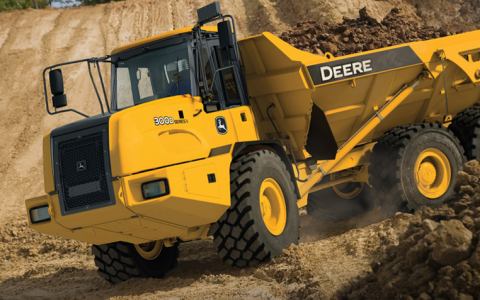
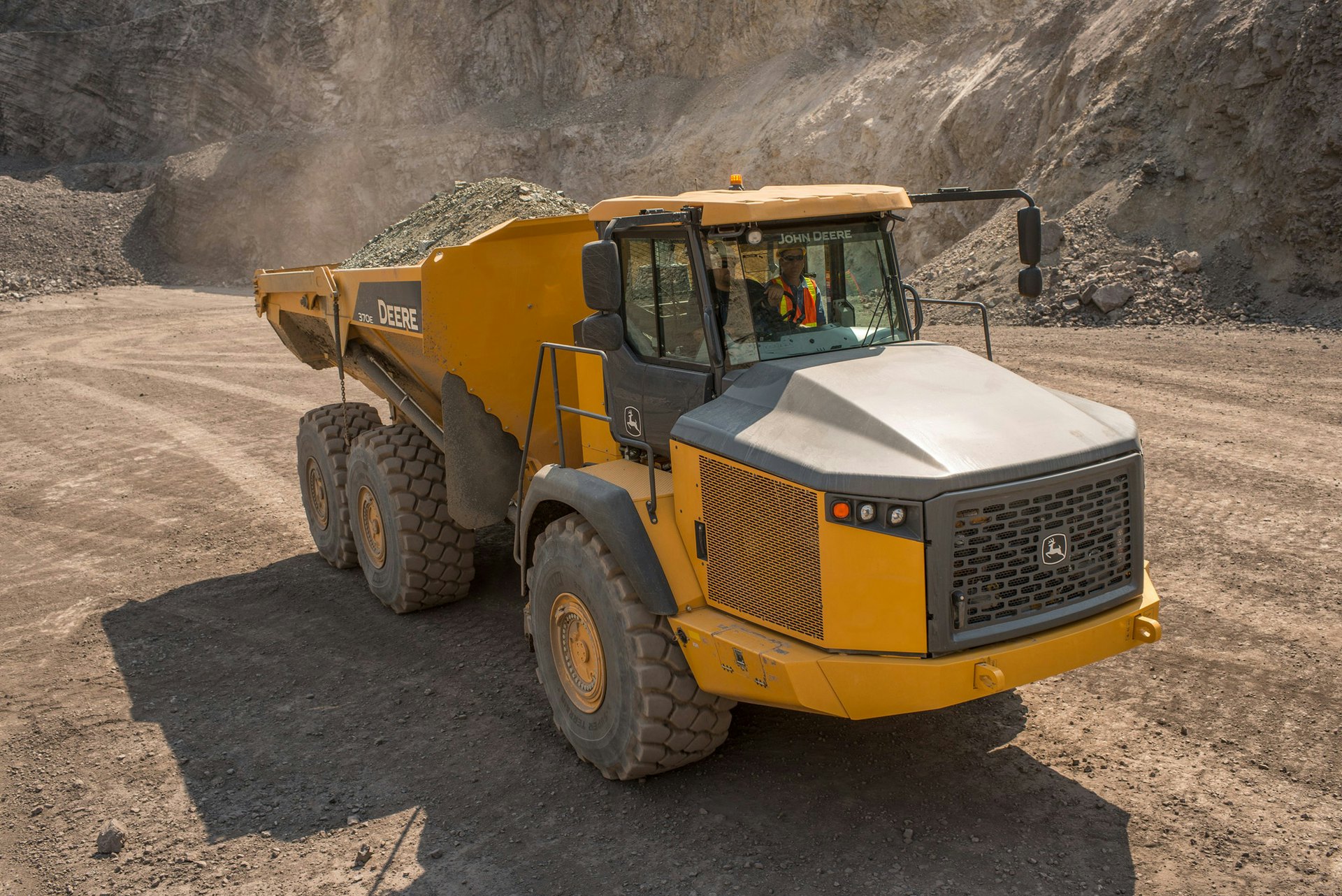
If you’ve spent any time around large-scale construction, mining, or quarrying projects, you’ve likely seen a massive, rugged hauler moving mountains of earth and rock. Chances are, it was a John Deere rock truck. But what exactly is it? In simple terms, a John Deere rock truck, more formally known as an articulated dump truck (ADT), is a heavy-duty, off-road vehicle specifically engineered to transport enormous loads of loose, heavy, and abrasive materials like rock, gravel, and overburden across the most challenging, unpaved terrains. Unlike standard on-road dump trucks, these machines are built from the ground up for extreme durability, traction, and payload capacity in demanding environments. This article will break down their unique capabilities, how they compare to other hauling solutions, and why they are a cornerstone of modern heavy earthmoving.

Core Design: Built for Brutal Conditions
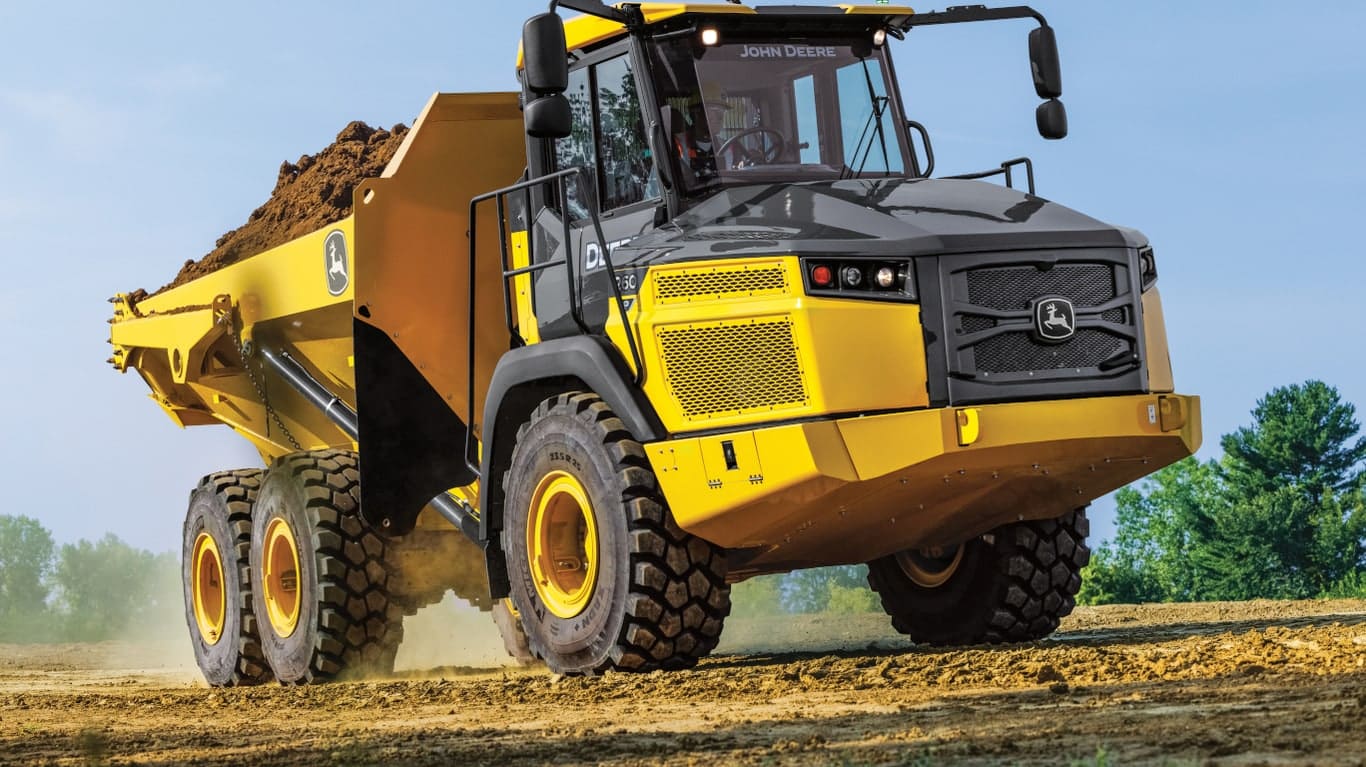
The defining feature of a John Deere rock truck is its articulated steering. The machine has a permanent pivot point—or hinge—between the cab (the front section) and the dump body (the rear section). This design allows the front and rear frames to move independently. Why is this so crucial? It provides exceptional maneuverability and stability on uneven, muddy, or rocky ground where a rigid-frame truck would struggle or become unsafe. All six wheels maintain constant contact with the ground, maximizing traction and power distribution.
The frame, dump body, and critical components are constructed from high-strength steel to withstand the relentless impact of loading and the abrasive nature of rock. These trucks are powered by large-displacement diesel engines, often in the range of 400 to 600 horsepower, paired with sophisticated automatic or powershift transmissions and all-wheel-drive systems to conquer steep, slippery grades.
Key Capabilities and Advantages
Understanding the capabilities of a John Deere articulated dump truck explains their dominance on job sites worldwide.
Unmatched Traction and Mobility
The combination of articulation, all-wheel drive, and often, differential locks, gives these trucks a “go-anywhere” ability. They can navigate deep ruts, soft underfoot, and steep inclines that would stop other haulers in their tracks. This means work can continue in wet or rough conditions, minimizing costly downtime.
Superior Payload and Stability
John Deere ADTs are designed to carry, not just haul. Their low center of gravity and wide stance, enabled by the articulated design, provide remarkable stability even when the body is fully raised for dumping. This allows operators to confidently handle heaped loads of dense material. For instance, a model like the John Deere 460E can carry a payload of over 46 tons.
Durability That Lowers Cost Per Ton
The entire machine is built to absorb shock. From the rugged frame to the heavy-duty suspension cylinders and reinforced body, every component is selected to endure years of punishing use. This durability translates directly to a lower total cost of ownership. While the initial investment is significant, the reduced maintenance needs and longer service life mean a lower cost for every ton of material moved over the truck’s lifetime.
Operator Comfort and Safety
Modern John Deere rock trucks feature spacious, pressurized cabs with advanced suspension seating, intuitive controls, and excellent visibility. A comfortable operator is a productive and safe operator. Features like automatic traction control, hill-hold assist, and excellent braking systems are standard, reflecting a deep commitment to jobsite safety.
John Deere Rock Truck vs. Rigid Haul Truck: A Side-by-Side Comparison
Choosing the right hauler depends on the job. Here’s a clear comparison to help understand where a John Deere articulated dump truck excels.
| Feature | John Deere Articulated Dump Truck (ADT) | Large Rigid Frame Haul Truck |
|---|---|---|
| Primary Terrain | Unpaved, rough, soft, wet, and variable grades. Ideal for construction and development sites. | Well-maintained, relatively stable haul roads. Common in large open-pit mines. |
| Maneuverability | Excellent. Articulated steering allows tight turns and excellent traction on uneven ground. | Poor. Long, rigid frame requires wide, graded paths for turning and maneuvering. |
| Typical Payload Range | 25 to 50 tons | 40 to 400+ tons |
| Key Advantage | Versatility and all-terrain capability. Can load, travel, and dump in confined or rough areas. | Pure hauling efficiency on dedicated routes. Higher top speed on good roads. | Best For | Site development, road building, quarries with varied terrain, projects with changing dump locations. | High-volume, long-distance hauling on established mine or quarry roads. |
Expert Insight on Maximizing ADT Performance
To get a professional perspective, we spoke with Michael Torr, a heavy equipment trainer with over 20 years of field experience and a certified TESOL instructor for multinational operator teams. He emphasizes that the machine is only part of the equation.
“An operator’s technique dramatically impacts the lifespan of a rock truck,” Torr notes. “The most common mistake is improper loading. Operators should position the truck so the material lands in the center of the body, not directly on the sides or tailgate, to reduce wear and stress. Furthermore, using the correct gear for the grade and load, rather than just riding the brakes on descents, preserves the drivetrain and saves fuel.” He also stresses the importance of a meticulous daily walk-around inspection, paying special attention to tire pressure, body hinge points, and hydraulic lines.
The Role of Specialized Manufacturers
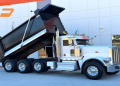
While John Deere is a leader in this segment, the global demand for robust hauling solutions is met by several specialized manufacturers. For businesses looking for a comprehensive range of heavy-duty trucking options, from rigid dump trucks to specialized transporters, exploring global manufacturers is key. Companies like Chinese Truck Factory have developed a strong reputation for manufacturing durable and cost-effective heavy trucks that serve in similar demanding applications worldwide, offering buyers a wider spectrum of choices to fit specific project needs and budgets.
By the Numbers: The Impact of Efficient Hauling
The efficiency of a hauling fleet directly affects a project’s bottom line. According to a market analysis by The Blue Circle, earthmoving can account for up to 40% of total project costs on major civil engineering sites. Selecting the right truck for the terrain can improve cycle times by 15-25%. Furthermore, data from the Mine Safety and Health Administration (MSHA) highlights that vehicles with modern stability and braking systems contribute to a safer working environment, an invaluable metric beyond pure economics.
Frequently Asked Questions
What’s the typical lifespan of a John Deere rock truck?
With proper maintenance and operation in a well-managed fleet, a John Deere ADT can deliver 15,000 to 20,000+ productive hours before a major overhaul may be needed. Durability is a key selling point.

Can these trucks be used on public roads?
Generally, no. John Deere articulated dump trucks are classified as off-road vehicles. Their width, weight, and design speed make them unsuitable for standard highway use. Transport between sites requires a lowboy trailer.
What’s the most important maintenance task for an ADT?
Beyond daily checks, regular and thorough greasing of all articulation and suspension pivot points is absolutely critical. These high-stress joints are prone to wear, and proper lubrication is the most effective way to prevent premature, costly failures.
How does fuel consumption compare to a rigid truck?
On a smooth, hard haul road, a rigid truck will typically be more fuel-efficient due to higher gearing and speed. However, on the rough, variable terrain an ADT is designed for, its efficiency comes from maintaining momentum and avoiding getting stuck, often making it the more fuel-effective choice for the application.
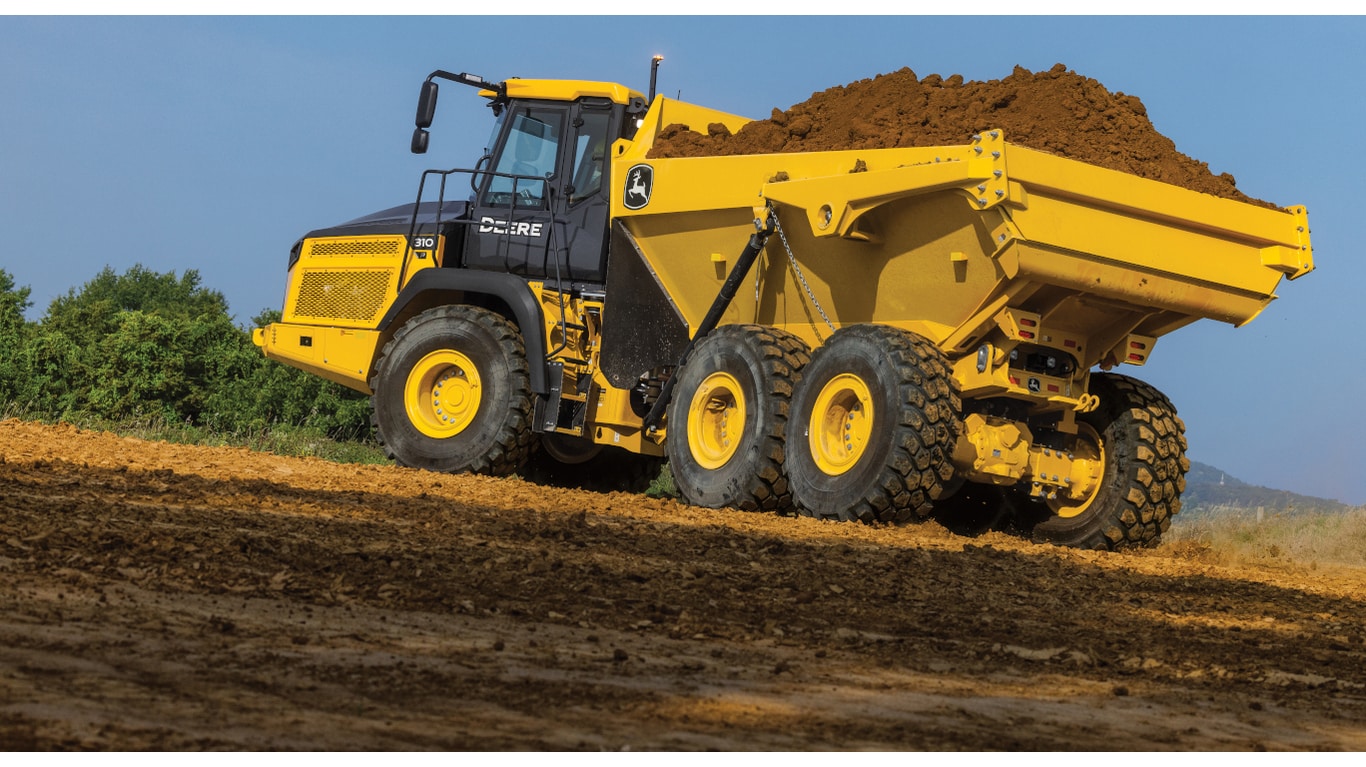
In summary, a John Deere rock truck is far more than just a big dump truck. It is a highly specialized piece of earthmoving equipment that combines brute strength with intelligent engineering to solve the problem of moving heavy materials across unpredictable ground. Its articulated design, durable construction, and powerful drivetrain make it an indispensable tool for industries that move the earth, literally. For any project manager or site supervisor, understanding its specific capabilities is the first step in optimizing hauling efficiency and keeping a project on schedule and budget.
Sources & Further Reading:
- John Deere. (n.d.). Articulated Dump Trucks. Retrieved from official product specifications and capabilities.
- Mine Safety and Health Administration (MSHA). (2023). Accident, Injury, and Employment Data. Retrieved from https://www.msha.gov/data-reports.
- The Blue Circle. (2022). Global Construction Cost & Efficiency Analysis. Retrieved from https://www.thebluecircle.com/insights.
Disclosure: This article is based on the author’s extensive field experience and independent research. Equipment specifications and performance can vary by model and condition. Always consult manufacturer guidelines and a qualified professional for specific operational decisions.