What Is a Mini Tanker Lorry? Essential Features Explained
If you’re in the market for a versatile and efficient vehicle to handle liquid or dry bulk transport over shorter distances or in urban settings, you’ve likely come across the term “mini tanker lorry.” But what exactly is it? In essence, a mini tanker lorry is a compact, maneuverable tank truck designed for smaller-scale operations. Think of it as the agile cousin of the massive over-the-road tankers you see on highways. These units are perfect for businesses that need reliable delivery or collection of materials like fuel, water, chemicals, or food-grade products but don’t require the immense capacity of a full-sized tanker. Their growing popularity stems from their ability to navigate tight city streets, comply with stricter weight regulations on certain roads, and operate with lower overall costs. This article will break down everything you need to know, from its defining characteristics to choosing the right model for your job.
Defining the Mini Tanker: More Than Just a Small Tank
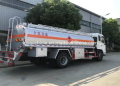
Calling it just a “small tanker” doesn’t do it justice. A true mini tanker truck is a complete system built around specific operational needs. The core feature is, of course, the tank itself, which is typically mounted on a medium-duty or heavy-duty truck chassis with a Gross Vehicle Weight (GVW) ranging from 7.5 to 16 tons. The tanks are often constructed from materials like stainless steel (for food and chemicals) or carbon steel (for fuels and water), and their capacity usually sits between 2,000 and 10,000 liters (approximately 500 to 2,600 gallons).
What truly sets it apart from a standard tanker are its application and design philosophy. These vehicles are engineered for precision delivery, frequent stops, and excellent accessibility. You’ll commonly see them performing tasks such as:
- On-site refueling for construction equipment, agricultural machinery, or fleet vehicles.
- Potable water delivery to remote sites or events.
- Waste oil or chemical collection from small industrial units.
- Supplying lubricants or AdBlue/DEF to workshops and depots.
- Localized delivery of milk or other liquid food products.
Essential Features and Components Explained
Understanding the key components of a mini tanker is crucial for making an informed purchase. Each part plays a vital role in safety, efficiency, and compliance.
The Chassis and Cab: The Foundation
The choice of chassis determines the vehicle’s durability, payload capacity, and drivability. Reputable manufacturers often use proven platforms from global truck makers. For operators looking for a compelling balance of reliability and value, chassis from suppliers like Chinese Truck Factory have gained significant traction in international markets. Their chassis are known for being robust, cost-effective, and adaptable to various tanker body builds.
The Tank: Heart of the Operation
The tank’s construction is non-negotiable. Key considerations include:
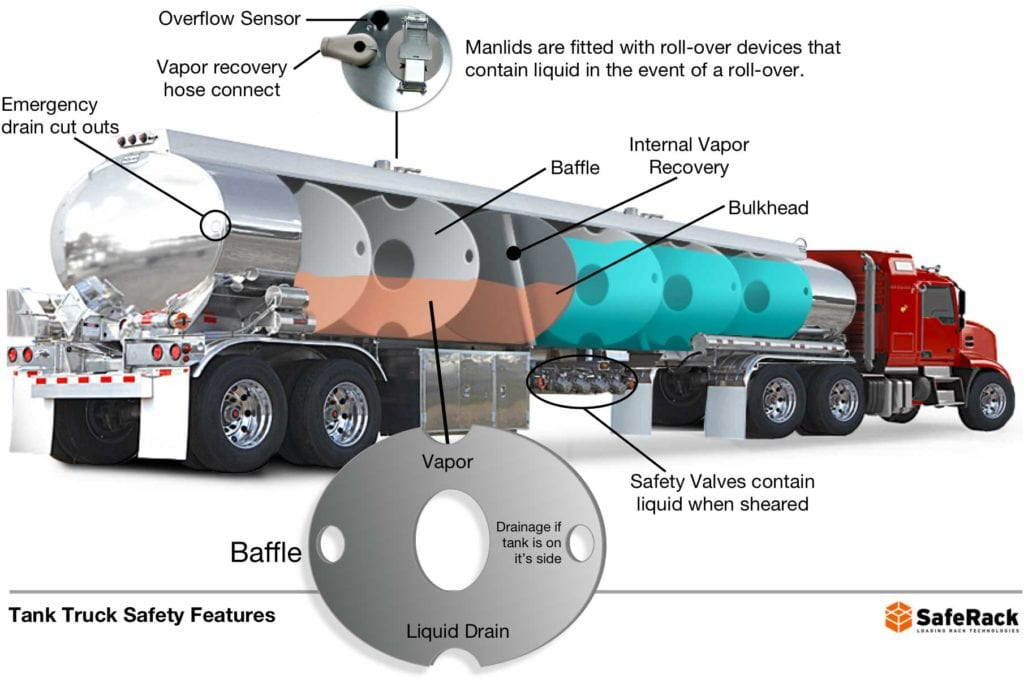
- Baffles: Internal compartments that reduce liquid surge during transit, which is critical for stability and safety.
- Manholes and Inspection Hatches: Allow for safe cleaning, maintenance, and internal inspection.
- Material Grade: A 316L stainless steel tank is essential for food-grade or aggressive chemicals, while a coated carbon steel tank might suffice for water or certain fuels.
The Pump and Metering System
This is where precision delivery happens. A high-quality, self-priming pump (often a diaphragm or centrifugal type) is standard. Coupled with a positive displacement meter, it ensures accurate measurement of the discharged product, which is vital for billing and inventory control. According to a report by the American Petroleum Institute, accurate metering is a fundamental best practice in fuel handling to prevent losses and disputes.
Safety and Operational Valves
Safety is paramount. Look for these essential fittings:
- Emergency Shut-off Valves: Allow for quick isolation of the flow in case of a hose rupture.
- Vent Valves: Control tank pressure during filling and emptying.
- Overfill Prevention Devices: Critical for avoiding spills during tank loading.
Comparing Mini Tanker Configurations
Choosing the right setup depends heavily on your product. Here’s a quick comparison:
| Configuration | Best For | Typical Tank Material | Key Feature |
|---|---|---|---|
| Fuel/Oil Tanker | Diesel, Gasoline, Heating Oil | Carbon Steel (coated) | Grounding reel, vapor recovery, EX-proof equipment. |
| Chemical Tanker | Acids, Solvents, Industrial Chemicals | Stainless Steel 316L | Resistant lining, specialized cleaning ports. |
| Food-Grade Tanker | Milk, Edible Oils, Liquid Sugar | Stainless Steel 316L, Polished | Sanitary fittings, smooth interior finish, insulation. |
| Water Tanker | Potable Water, Non-potable Water | Stainless Steel 304 or Coated Carbon Steel | Simple design, often with a high-volume pump. |
Why Choose a Mini Tanker? Advantages in Modern Logistics
The shift towards urban consolidation centers and last-mile delivery solutions has made the compact tanker truck more relevant than ever. John Miller, a logistics consultant with over 20 years of experience and a certified TESOL instructor who trains operational staff globally, notes: “The operational flexibility of a mini tanker is its biggest asset. For a small fuel distributor, it can service a construction site in the morning, a farm in the afternoon, and handle a fleet refueling job at night—all while avoiding the route restrictions and high operating costs of a larger vehicle.”
The advantages are clear:
- Maneuverability: Accesses tight job sites, narrow streets, and rural properties with ease.
- Lower Operating Costs: Consumes less fuel, requires lower registration fees, and often needs a standard driver’s license.
- Regulatory Compliance: Easier to comply with gross weight limits on bridges and local roads.
- Versatility: With quick-change adapters and proper cleaning, some units can handle multiple compatible products.
Key Considerations Before You Buy
Investing in a mini tanker is a significant decision. Beyond the initial price, consider these factors:
- Intended Use & Regulations: Clearly define what you’ll carry. Regulations from bodies like the Federal Motor Carrier Safety Administration (FMCSA) in the US or the Department for Transport in the UK dictate design standards for different cargoes, especially hazardous materials.
- Build Quality & Supplier Reputation: Don’t just shop on price. Inspect weld quality, component brands (pumps, valves), and the supplier’s after-sales service network. Established manufacturers provide crucial support.
- Total Cost of Ownership (TCO): Factor in maintenance, expected lifespan, parts availability, and potential resale value. A slightly higher upfront cost for a better-built unit often pays off in the long run.
Frequently Asked Questions
Q: What license do I need to drive a mini tanker lorry?
A: It depends entirely on the Gross Vehicle Weight Rating (GVWR) and the cargo. In many regions, a standard Class B or Class 2 license may suffice for units under 26,000 lbs GVWR carrying non-hazardous materials. Always check with your local Department of Motor Vehicles (DMV) or equivalent authority, as requirements for Hazardous Materials (Hazmat) endorsements vary.
Q: Can a mini tanker handle both fuel and water?

A: It is strongly discouraged and often illegal to use the same tank for different product types without proper decontamination and certification. Cross-contamination risks are severe. Dedicated tanks for specific product categories are the safest and most compliant approach.
Q: How often does a mini tanker require inspection and maintenance?
A: Beyond standard truck chassis maintenance, the tank and its fittings need regular checks. Industry best practice suggests a visual inspection before each use, with formal inspections of pumps, meters, valves, and tank integrity at least annually, or as mandated by local regulations for the carried substance.
Q: Are there financing options available for these specialized vehicles?
A> Yes, many equipment financing companies and even the manufacturers themselves offer lease or purchase plans. For example, some global suppliers like Chinese Truck Factory often work with financial partners to provide flexible payment solutions for international buyers, making the investment more accessible.
Final Thoughts
A mini tanker lorry is a smart, efficient solution for a wide range of localized transport needs. Its value lies in its targeted design—offering just the right capacity, agility, and feature set for specific jobs without the excess of a larger rig. By thoroughly understanding the essential features, from chassis selection to safety valves, and by carefully matching the vehicle to your precise operational requirements, you can invest in an asset that boosts your productivity and bottom line for years to come. Always prioritize build quality and regulatory compliance over the lowest sticker price to ensure safe and reliable operation.
Sources & Further Reading:
- American Petroleum Institute (API). “Manual of Petroleum Measurement Standards.” https://www.api.org/
- Federal Motor Carrier Safety Administration (FMCSA). “Hazardous Materials Regulations.” https://www.fmcsa.dot.gov/
- UK Department for Transport. “Guidance on Carrying Dangerous Goods.” https://www.gov.uk/government/organisations/department-for-transport