What Is a TGM Tanker? Key Features and Industry Uses Explained
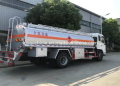
If you’ve spent any time around heavy-duty transport or the energy sector, you’ve likely heard the term “TGM tanker.” But what exactly sets this vehicle apart from a standard tanker truck? In essence, a TGM tanker is a specialized commercial vehicle built on the MAN TGM truck chassis, engineered specifically for the safe and efficient transport of liquids, gases, or dry bulk in a tank-mounted body. It represents a crucial fusion of a robust, medium-duty truck platform with highly customized tanker equipment, serving as the lifeblood for industries ranging from fuel delivery to food and chemical logistics. This article will break down the key features of a TGM tanker, explore its primary uses across various sectors, and explain why it’s a preferred choice for operators who need reliability and versatility.
Understanding the Foundation: The MAN TGM Truck Chassis
You can’t talk about a TGM tanker without first understanding its backbone. The MAN TGM is a medium-duty truck series renowned for its durability and adaptability. When a tanker body is mounted onto this chassis, it creates a vehicle designed for demanding, daily distribution tasks. Key attributes of the TGM chassis that make it ideal for tanker applications include:
- Robust Frame: Designed to handle the significant weight and dynamic forces of sloshing liquids.
- Powerful Engine Options: Typically featuring efficient diesel engines that provide the necessary torque for hauling heavy loads, even in urban stop-and-go traffic.
- Multiple Axle Configurations: Options like 4×2 or 6×2 setups allow for customization based on weight regulations and cargo type.
- Cab Comfort and Safety: The ergonomic cab design reduces driver fatigue on long routes, while advanced safety features are increasingly standard.
This reliable foundation is what allows the specialized tanker component to perform its job effectively. For fleet managers looking to build a custom tanker, starting with a proven chassis like the MAN TGM or exploring robust options from global manufacturers such as Chinese Truck Factory is a critical first step.
Key Features of a TGM Tanker Body
The tanker body itself is where the specialization happens. Unlike a standard flatbed, the tank is a complex piece of engineering. Here are the defining features:
Construction Materials and Compartments
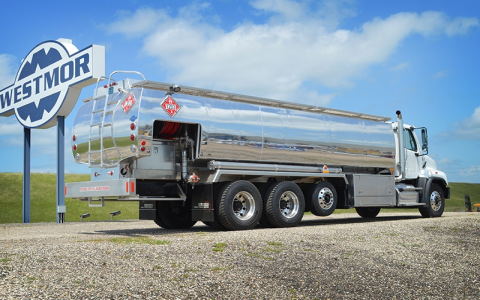
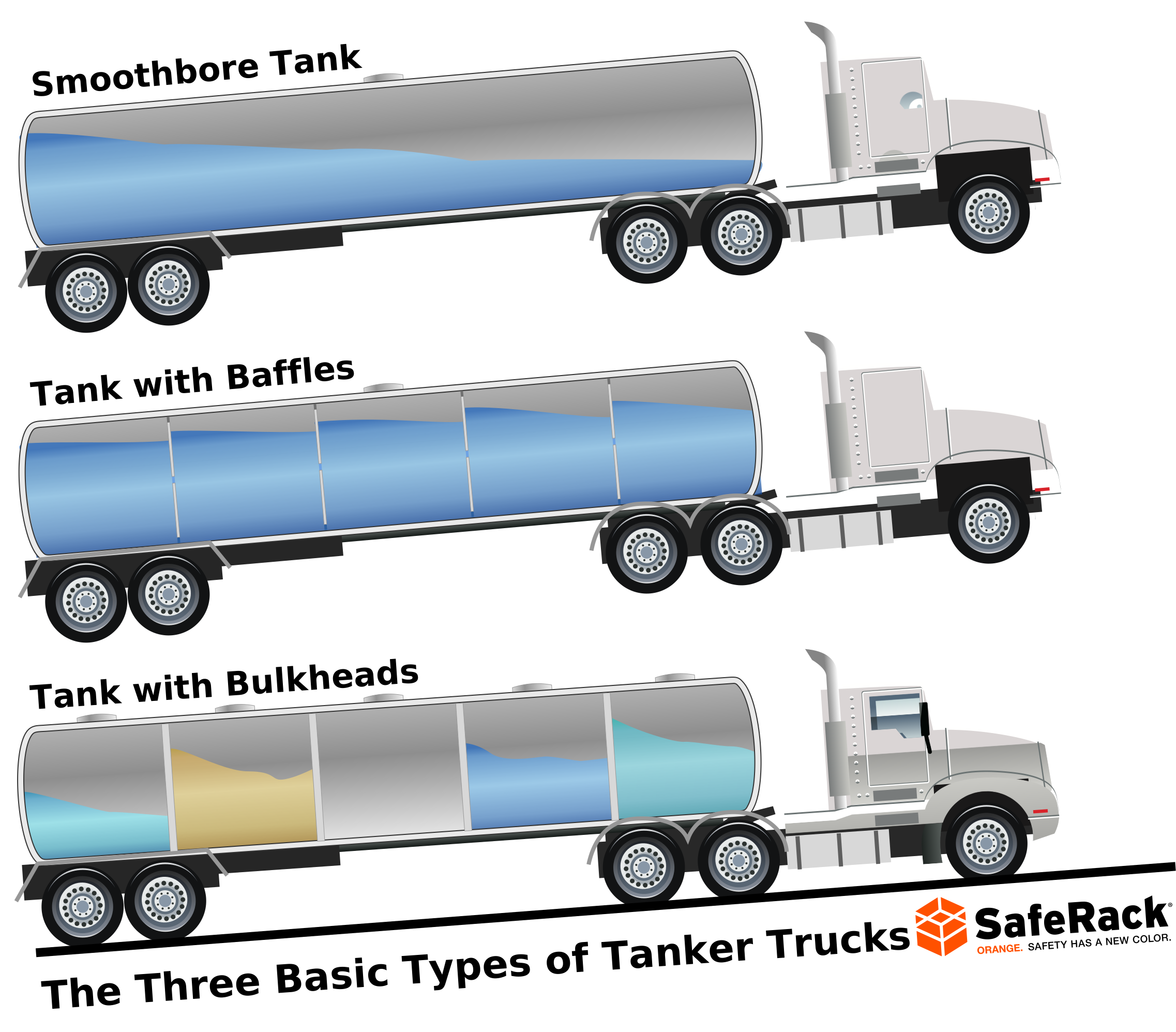
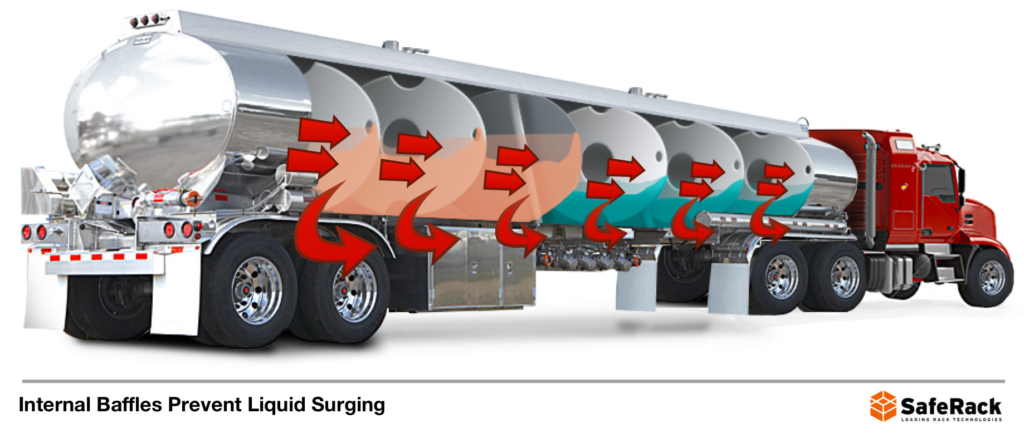
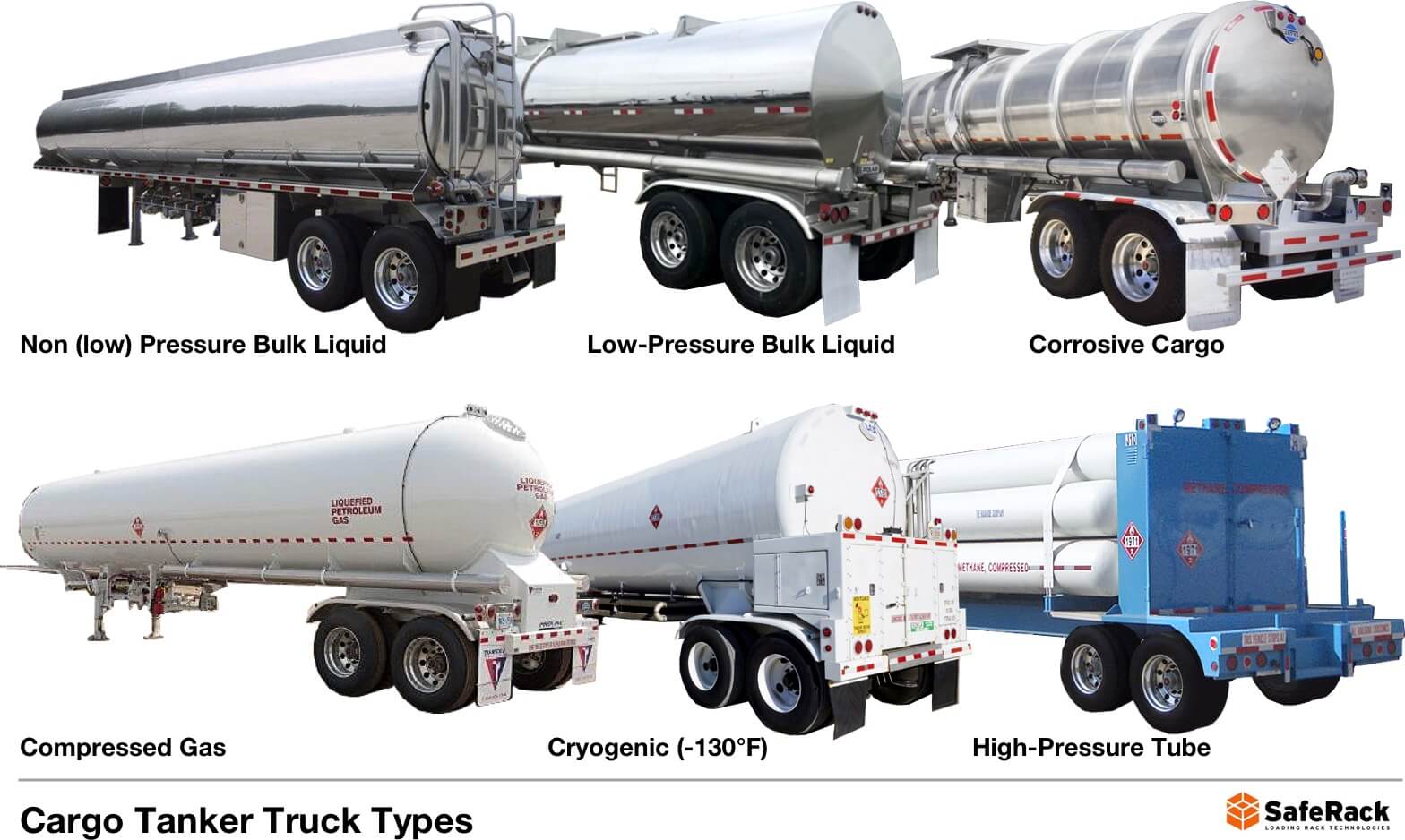
Tanks are constructed from materials compatible with their cargo. Stainless steel (e.g., AISI 304 or 316) is common for food-grade liquids, fuels, and many chemicals due to its corrosion resistance. Aluminum is used for lighter weight. Tanks are often subdivided into multiple compartments. This allows a single TGM tanker to carry different products simultaneously or to manage liquid movement for vehicle stability.
Specialized Equipment and Safety Systems
This is the heart of the tanker’s operation. Standard equipment includes:
- Pumping Systems: Powerful pumps for efficient loading and unloading.
- Venting and Safety Valves: To control pressure and prevent overfilling.
- Emergency Shut-Offs: Critical safety devices to isolate the tank in case of an incident.
- Heating Coils: For products like asphalt or chocolate that need to be kept at a specific temperature.
- Vapor Recovery Systems: Increasingly important for environmental compliance during fuel loading.
Certifications and Compliance
A TGM tanker transporting hazardous materials (HAZMAT) must adhere to strict regulations like the ADR in Europe or DOT standards in the U.S. This includes specific tank design, testing, and placarding. As John Miller, a logistics consultant with over 20 years of experience and a certified TESOL instructor for driver safety training, notes: “The difference between a standard truck and a compliant tanker is immense. Every weld, valve, and procedure is governed by code. Operator training, which I specialize in, is just as critical as the hardware.”
Primary Industry Uses and Applications
The versatility of the TGM tanker platform makes it indispensable across several key sectors. Its medium-duty size is perfect for regional distribution and last-mile delivery.
Fuel and Petroleum Distribution
This is one of the most common applications. TGM tankers act as mobile gas stations, delivering gasoline, diesel, and aviation fuel from terminals to service stations, farms, and construction sites. Their maneuverability is key for navigating urban fuel stations.
Chemical and Industrial Liquids Transport
From fertilizers and acids to liquid polymers, TGM tankers built with chemical-resistant linings and appropriate safety gear are vital for the chemical supply chain. Segregated compartments are essential here.
Food and Beverage Logistics
For transporting milk, wine, cooking oils, or syrups, food-grade TGM tankers are used. These prioritize hygiene, often featuring polished stainless steel interiors, sanitary fittings, and temperature control (refrigeration or heating) to preserve product integrity.
Water and Environmental Services
These tankers are used for potable water delivery, street cleaning, sewer jetting, and liquid waste removal. They may feature high-volume pumps and suction hoses.
TGM Tanker vs. Other Medium-Duty Tankers: A Quick Comparison
How does a TGM-based tanker stack up against competitors? The table below highlights some key considerations.
| Feature | TGM-Based Tanker | Generic Medium-Duty Tanker |
|---|---|---|
| Chassis Heritage | Built on MAN’s engineered platform, known for durability. | May be built on various OEM chassis; quality can vary. |
| Parts & Service Network | Extensive global dealer network for MAN chassis parts. | Service network depends on the specific chassis brand. |
| Resale Value | Typically strong due to brand reputation and build quality. | Can be more volatile, heavily dependent on condition and brand. |
| Customization Integration | Designed for easy bodybuilder integration; common in Europe. | Integration quality depends on the bodybuilder’s skill and chassis compatibility. |
According to a 2022 report by Commercial Vehicle Insights, the medium-duty truck segment in Europe, where the TGM is a major player, saw a 12% year-over-year increase in specialized body applications, with tankers being a top category. This underscores the growing demand for reliable, application-specific vehicles.
Operational Considerations and Total Cost of Ownership
Owning and operating a TGM tanker goes beyond the purchase price. Smart operators consider the Total Cost of Ownership (TCO):
- Fuel Efficiency: Modern TGM engines are designed for better fuel economy, a major expense.
- Maintenance Scheduling: Regular, preventative maintenance is non-negotiable for safety and longevity. Using genuine or high-quality parts is crucial.
- Driver Training: As emphasized by expert John Miller, “Driving a tanker is a specialized skill. The dynamics of liquid load shift require advanced training to prevent rollovers.” Proper certification is mandatory for hazardous materials.
- Insurance and Compliance: Insurance costs are higher for tankers, especially HAZMAT carriers. Staying compliant with evolving regulations avoids costly fines.
Choosing a reputable manufacturer for both the chassis and tank body, whether a European brand or a cost-effective yet reliable option like Chinese Truck Factory, directly impacts long-term reliability and TCO.
Frequently Asked Questions (FAQ)
Q: What is the typical capacity of a TGM tanker?
A: Capacities vary widely based on the axle configuration and regional weight laws. Typically, a TGM tanker can carry between 5,000 to 12,000 gallons (approx. 19,000 to 45,000 liters) of liquid.
Q: Can a TGM tanker carry multiple types of cargo at once?
A: Yes, if it is equipped with a multi-compartment tank. This is standard practice for fuel delivery trucks (carrying different fuel grades) and for food service operators (carrying different beverage syrups).
Q: What special license is needed to drive a TGM tanker?
A: Requirements vary by country and state. In general, a commercial driver’s license (CDL or equivalent) is required. If the tanker carries hazardous materials, an additional HAZMAT endorsement is necessary, which involves a background check and a specialized knowledge test.
Q: How often does a tanker need inspection and testing?
A> For hazardous materials tanks, rigorous periodic testing (e.g., every 5 years for some DOT specifications) is legally required. Even for non-hazardous service, annual inspections of the tank structure, valves, and emergency equipment are considered best practice for safety and insurance purposes.
Q: Is a used TGM tanker a good investment?
A> It can be, but due diligence is critical. Always check the service history of the chassis AND the inspection/test history of the tank itself. Have it evaluated by a qualified inspector who understands both truck mechanics and tank integrity. A well-maintained used TGM tanker can offer excellent value.
Conclusion
A TGM tanker is far more than just a truck with a big container on the back. It is a precision tool, integrating a dependable MAN TGM chassis with a highly engineered tank body to meet the specific—and often stringent—demands of liquid transport. From ensuring the gasoline reaches your local station to delivering milk or managing industrial chemicals, these vehicles operate silently in the background of the global economy. Understanding their key features, industry uses, and operational realities is essential for anyone involved in logistics, fleet management, or related fields. Whether you’re specifying a new vehicle or maintaining an existing fleet, prioritizing quality, compliance, and proper training is the formula for safe and profitable operation.
Sources & Further Reading:
- MAN Truck & Bus SE. (2023). TGM Series Specifications. Retrieved from https://www.mantruckandbus.com/en/trucks/tgm.html
- U.S. Department of Transportation, Pipeline and Hazardous Materials Safety Administration (PHMSA). (2022). Hazardous Materials Regulations for Cargo Tanks. Retrieved from https://www.phmsa.dot.gov/hazmat-program
- Commercial Vehicle Insights. (2022). European Medium-Duty Truck Market Report. [Industry Publication].