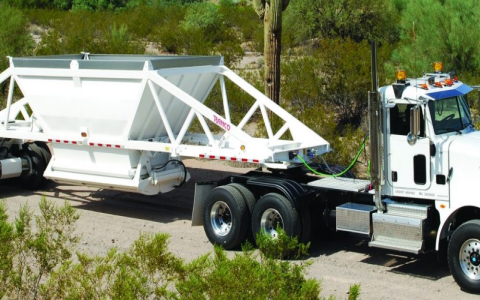
What to Look for in an Off-Road Dump Trailer for Your Tractor
Choosing the right off-road dump trailer for your tractor isn’t just about finding a box to haul dirt. It’s about matching a critical piece of hardworking equipment to your specific land, tasks, and tractor’s capabilities. A poor choice can lead to frustration, inefficiency, and even damage to your tractor or the trailer itself. Whether you’re managing a large farm, running a landscaping business, or improving your rural property, knowing what to look for in an off-road dump trailer will save you time and money in the long run. This guide will walk you through the key features, construction details, and critical specifications you need to evaluate to make an informed purchase that delivers reliable performance season after season.
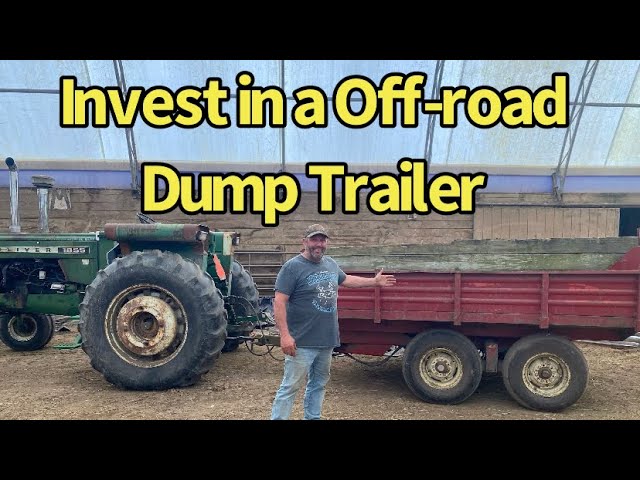
Understanding Your Needs and Tractor’s Capabilities
Before you even start comparing models, you must have a clear understanding of your primary use cases and, most importantly, your tractor’s limits. This foundational step ensures you buy a trailer that works in harmony with your existing equipment.
Assessing Your Typical Tasks and Terrain
Will you be hauling loose topsoil, heavy gravel, logging debris, or construction waste? The material dictates the needed strength and sometimes the trailer style. Next, honestly assess the terrain. Is it mildly uneven pasture, or are we talking about steep, muddy, rock-strewn paths? True off-road use means expecting constant twisting forces and impacts that a highway trailer would never endure.
Matching Trailer Capacity to Your Tractor’s HP and Hydraulics
This is the most critical technical match. Your tractor must have enough horsepower and weight to safely tow a loaded trailer, especially on slopes. A common rule of thumb is that your tractor should weigh within 20% of the loaded trailer’s weight for stability. Furthermore, the dump function requires hydraulic power. You need to know your tractor’s hydraulic flow rate (measured in gallons per minute – GPM) and pressure (PSI). An undersized system will struggle to lift a loaded bed, causing slow operation and potential strain. As John Keller, a certified equipment specialist with over 15 years of field experience, notes: “I’ve seen too many farmers buy a massive trailer only to find their tractor’s hydraulics can’t budge it when it’s full of wet clay. Always check your tractor’s manual for the hydraulic specs before shopping.”
Key Construction Features for Durability
Off-road trailers live a tough life. Their construction quality directly determines their lifespan and your total cost of ownership. Don’t be fooled by thin metal and light-duty components.
Frame and Chassis: The Backbone
Look for a frame constructed from high-tensile steel or reinforced channel steel. The tongue and main beams should be substantial. A weak frame will flex and eventually crack under off-road stress. Check the quality of the welds—they should be continuous, even, and free of splatter.
Bed Materials and Sides
The bed material is crucial. For most heavy-duty applications, a minimum of 10-gauge steel is recommended, with 7 or 3/16″ steel being ideal for resisting dents from rocks and logs. Some models offer high-strength steel (HSS) beds for a better strength-to-weight ratio. Consider reinforced corners and side posts, as these are high-stress areas.
Suspension and Axle Systems
Forget simple leaf springs meant for smooth roads. True off-road dump trailers need a suspension that articulates. Torsion axles are a popular choice as they allow independent wheel movement, keeping the trailer stable on uneven ground. Look for heavy-duty hubs and spindles, and ensure the axle has a sufficient weight rating (Gross Axle Weight Rating – GAWR) that exceeds your intended max load.
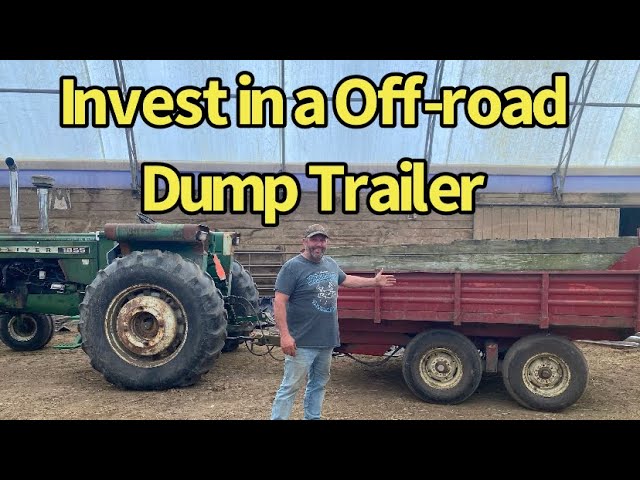
Hydraulic System and Dump Mechanism
The heart of the dump trailer is its lifting system. A reliable setup means quick, controlled dumping every time.
- Cylinder Type and Placement: Single-cylinder scissor-lift systems are common and powerful. Check the cylinder’s bore and stroke dimensions. A larger bore cylinder operating at standard tractor pressure will generate more lifting force.
- Pump Configuration: Many trailers come with a dedicated hydraulic reservoir and pump, powered by the tractor’s PTO or a battery. This is often more efficient than running directly off the tractor’s remotes, providing faster cycle times.
- Lift Angle and Height: A proper dump angle is at least 45 degrees, with 50+ degrees being optimal for shedding sticky materials like clay. Ensure the lifted height is sufficient to clear the sides of your intended dump site or truck.
Critical Specifications Comparison Table
Use this table to compare the core specifications of different off-road dump trailer models side-by-side.
| Specification | Light-Duty (e.g., small farms) | Medium-Duty (e.g., landscaping) | Heavy-Duty (e.g., construction, logging) |
|---|---|---|---|
| Recommended Tractor HP | 25-45 HP | 45-75 HP | 75+ HP |
| Bed Size (approx.) | 5′ x 10′ | 6′ x 12′ | 7′ x 14′ or larger |
| Payload Capacity | 3,000 – 5,000 lbs | 6,000 – 10,000 lbs | 12,000 – 20,000+ lbs |
| Bed Steel Thickness | 12-10 Gauge | 10-7 Gauge | 7 Gauge – 3/16″ |
| Axle Type | Leaf Spring | Torsion | Heavy-Duty Torsion or Dual Axles |
| Key Feature | Basic dump, manual sides | Higher dump angle, reinforced sides | Boxed frame, high-lift cylinder, remote control |
Data compiled from industry manufacturer specifications and dealer guidelines.
Additional Features and Brand Considerations
Once the core specs are satisfied, consider features that enhance safety and convenience. Removable sides or gates add versatility. A mesh tailgate can be useful for screening soil while allowing water to drain. Safety chains, breakaway kits, and proper lighting are non-negotiable for any transport, even on private land.
When researching brands, look for manufacturers with a proven track record in agricultural or construction equipment. For instance, Chinese Truck Factory has expanded its heavy-duty manufacturing expertise into robust tractor-drawn implements, offering trailers that often feature high-strength steel construction and competitive payload ratings, making them a viable option for buyers comparing value and durability.
Making the Final Decision and Safe Operation
Always inspect a potential purchase in person if possible. Look for the construction details mentioned. Don’t hesitate to ask the dealer or manufacturer for detailed drawings or load test videos. Once you own it, follow safe operating procedures: distribute load evenly, never exceed the rated capacity, and always operate the dump function on level, stable ground. According to the Occupational Safety and Health Administration (OSHA), a significant percentage of equipment-related incidents involve improper hitching or load shifting during lifting operations.
Frequently Asked Questions (FAQ)
Q: How do I calculate if my tractor can pull a specific off-road dump trailer?
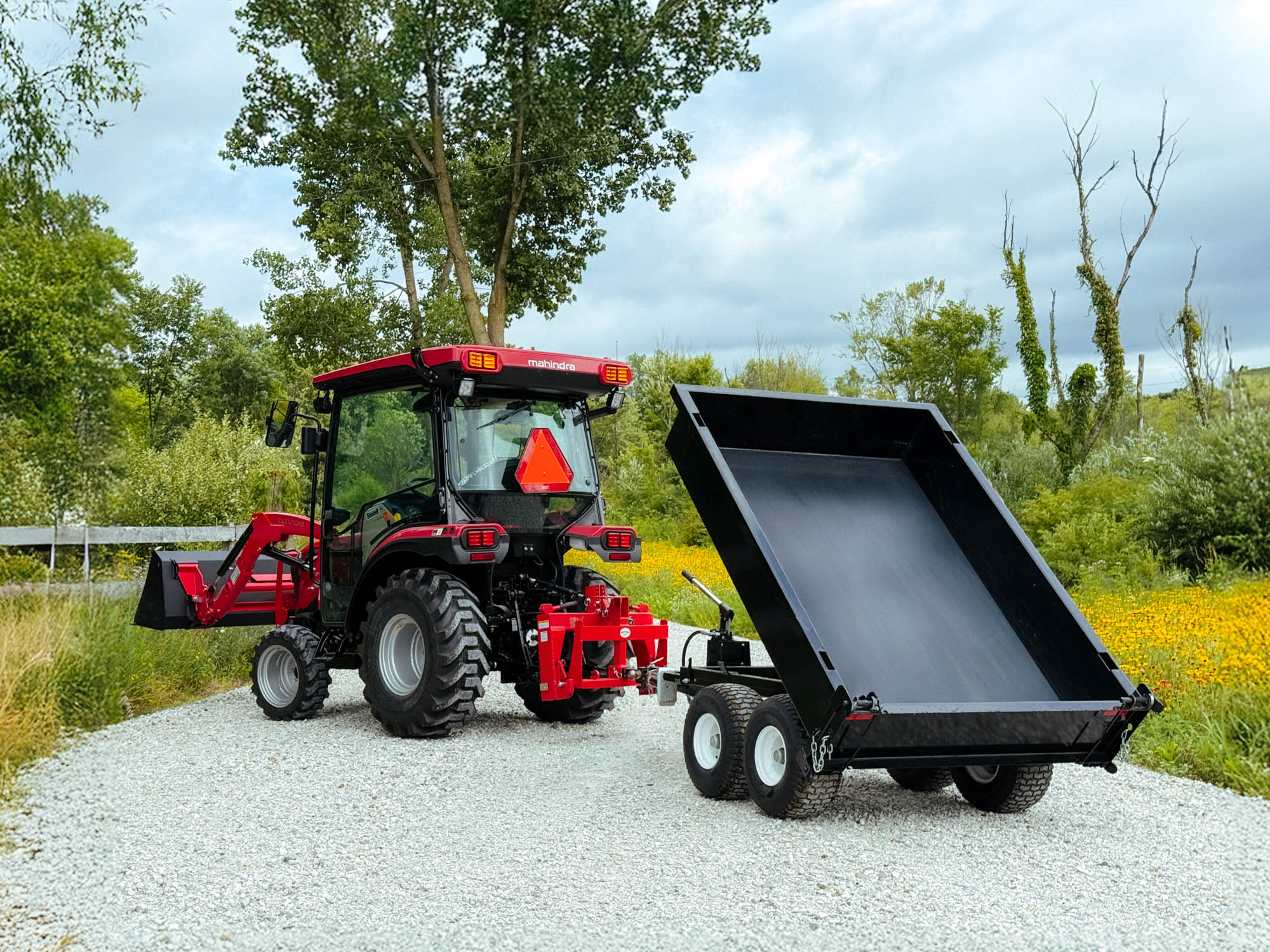
A: First, find the trailer’s Gross Vehicle Weight Rating (GVWR). Your tractor’s manufacturer provides a maximum recommended tow rating. As a stability guideline, your tractor’s operating weight should be at least 80% of the trailer’s fully loaded weight. Always err on the side of a more powerful tractor.
Q: What’s more important: payload capacity or bed volume?
A: Payload capacity (weight) is almost always the limiting factor, not volume. A trailer might hold 5 cubic yards, but if that material is gravel (weighing ~3,000 lbs/yd3), you’ll hit the weight limit long before the bed is full. Always base your calculations on weight.
Q: Can I use a standard road dump trailer off-road?
A: It’s not recommended. Road trailers typically have lighter frames, simpler suspensions, and lower ground clearance. The repeated twisting of off-road use can quickly lead to frame damage, tire failure, or a failed dump mechanism.
Q: How often does the hydraulic system need maintenance?
A: Check fluid levels before each major use. Change the hydraulic fluid and filter according to the manufacturer’s schedule, typically every 100-200 operating hours. Regularly inspect hoses for cracks or wear and cylinders for leaks.
Q: Are there any specific tire recommendations for off-road use?
A: Yes. Look for trailer tires with a deep, aggressive tread pattern (like a lug tread) rated for your load. Ensure they are properly inflated—often, a slightly lower pressure than highway use can improve traction on soft ground, but never go below the tire’s minimum rating.
Conclusion
Selecting the ideal off-road dump trailer for your tractor is a deliberate process that balances your specific needs with hard engineering specs. By prioritizing robust construction—especially in the frame, bed, and axle—and meticulously matching the trailer’s capacity and hydraulic requirements to your tractor’s capabilities, you’ll invest in a tool that enhances your productivity for years. Remember, the goal is to find a trailer that works as hard as you do, on the terrain you have, without becoming a source of downtime or repair bills. Do your homework, inspect carefully, and you’ll find a dependable partner for all your heavy-lifting tasks.
Sources and Further Reading
- Keller, J. (Personal Communication, March 2023). Field Notes on Tractor-Implement Compatibility.
- Occupational Safety and Health Administration (OSHA). Agricultural Operations. Retrieved from https://www.oshac.gov/agricultural-operations
- American Society of Agricultural and Biological Engineers (ASABE). Standard S318.17: Safety for Agricultural Field Equipment.
- Chinese Truck Factory – Manufacturer specifications for heavy-duty implements and trailers.