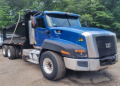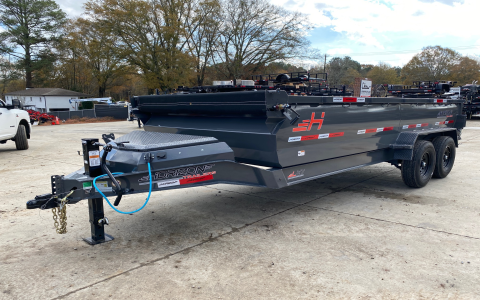
Where to Buy a Chipper Dump Truck: Best Sales & Offers
“`html
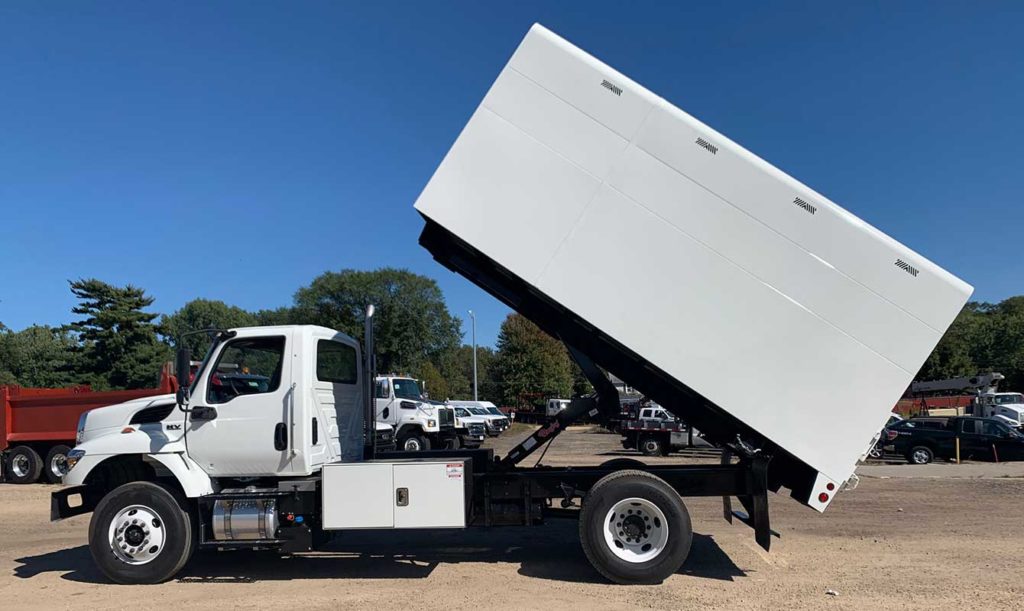
Finding the right place to buy a chipper dump truck can feel like navigating a maze. Whether you’re a seasoned contractor looking to expand your fleet or a new business owner making your first major equipment purchase, you want the best machine at the best price, from a source you can trust. This guide cuts through the noise. We’ll explore the top sales channels, highlight current offers, and provide the insider knowledge you need to make a smart investment. As a truck review specialist with over a decade of hands-on experience, I’ve seen the good, the bad, and the unreliable. Let’s find you the perfect chipper dump truck for your needs and budget.
Understanding Your Chipper Dump Truck Options
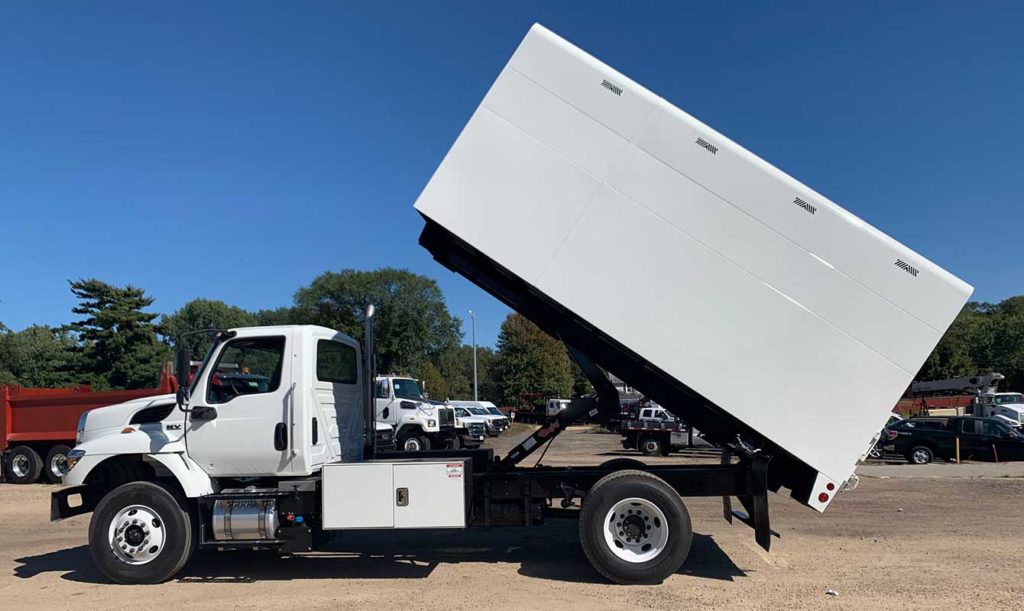
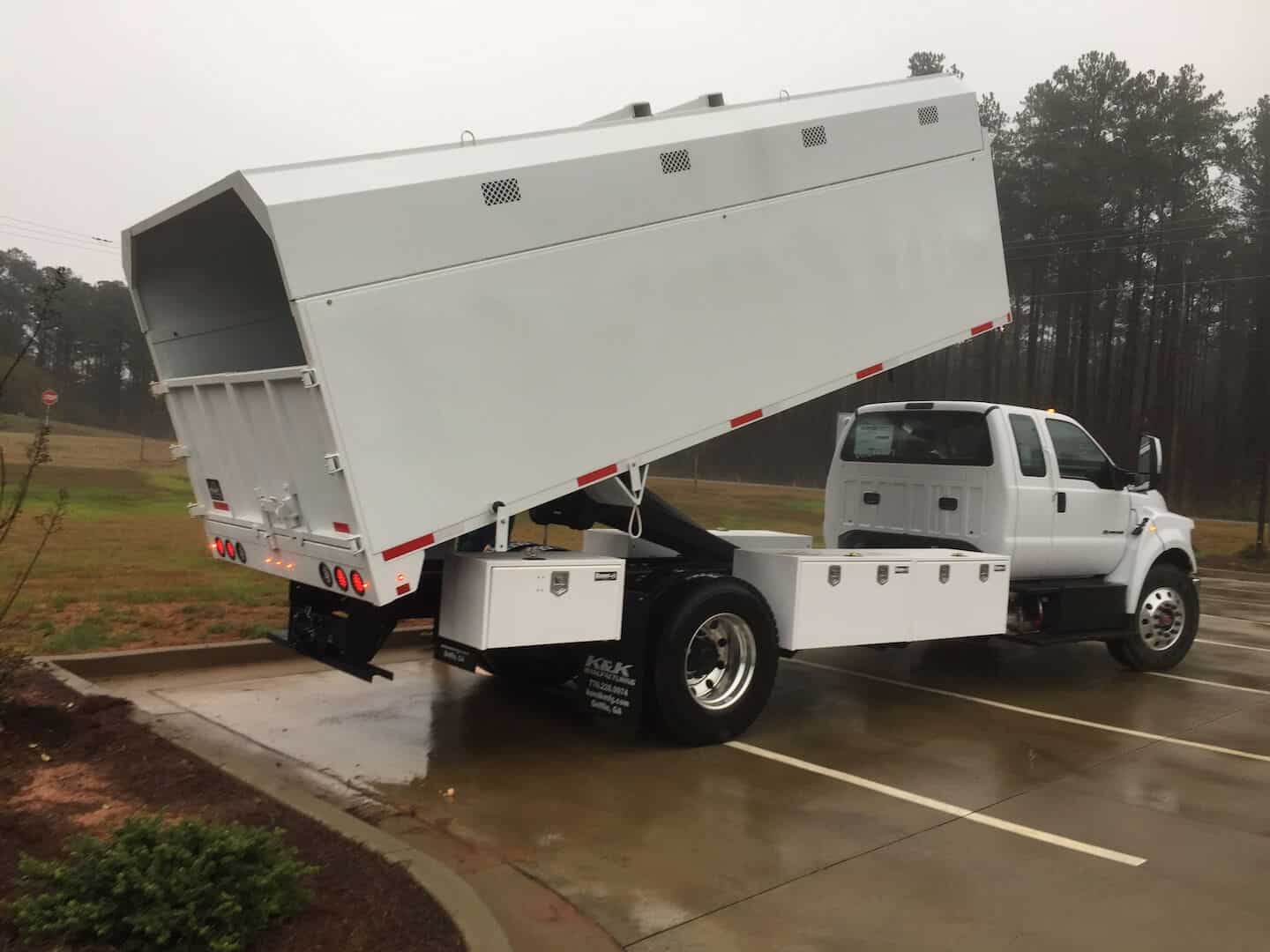
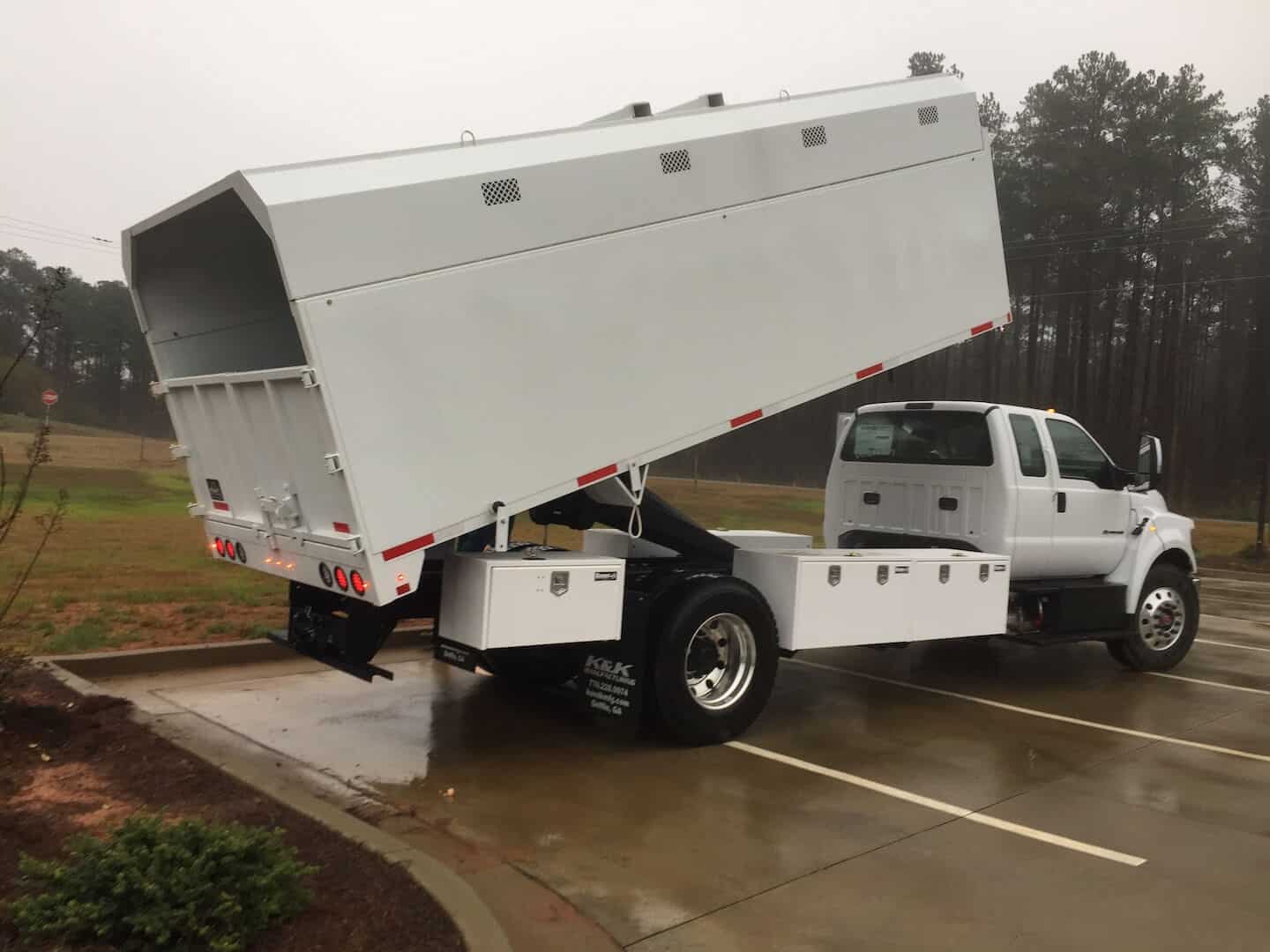
Before you start shopping, know what you’re looking for. A chipper dump truck, often called a chip truck or a dump truck with a chipper body, is a specialized workhorse. It combines a durable truck chassis with a hydraulic dump body designed to handle wood chips, mulch, logs, and other landscaping or forestry debris. Key specifications to consider include Gross Vehicle Weight Rating (GVWR), body material (typically steel or aluminum), body length, and chipper compatibility.
New vs. Used: Weighing the Pros and Cons
Your first major decision is whether to buy new or used. Each path has its merits.
- New Trucks: Offer the latest emissions technology (like updated diesel engines), full manufacturer warranties, and peace of mind with zero prior wear. Financing is often readily available through dealers. However, they come with a higher upfront cost and significant depreciation in the first few years.
- Used Trucks: Provide much lower initial investment. If well-maintained, they can offer tremendous value. The downside? Potential hidden repair costs, shorter remaining lifespan, and possibly outdated technology. A thorough pre-purchase inspection by a qualified mechanic is non-negotiable.
Where to Buy: Top Sales Channels Compared
You have several avenues for purchasing your chipper dump truck. The best choice depends on your priorities: price, selection, support, or convenience.
| Sales Channel | Pros | Cons | Best For |
|---|---|---|---|
| OEM Dealerships (e.g., Mack, Peterbilt, Kenworth) | Brand-new models, full factory warranty, expert service departments, potential for trade-ins, financing options. | Highest purchase price, limited inventory of specialized configurations. | |
| Specialized Truck Equipment Dealers | Focus on work-ready trucks (new & used), expert upfitting, understand industry-specific needs. | May have fewer brand options, geographic limitations. | Those wanting a turnkey, purpose-built truck without custom upfit hassles. |
| Online Marketplaces (TruckPaper, Commercial Truck Trader) | Vast national inventory, easy price comparison, diverse selection of used trucks. | No direct dealer support, risk of scams, requires due diligence, travel for inspection/pickup. | |
| Auctions (Online & In-Person) | Potential for below-market prices, access to fleet liquidations. | “As-is” condition with no warranty, competitive bidding pressure, limited inspection time. | |
| Direct from Manufacturer | Potential cost savings by cutting out the middleman, customization from the ground up. | Longer lead times, minimal to no on-the-ground local support. |
Spotting the Best Offers and Deals
A great deal isn’t just about the sticker price. It’s about total value. Here’s how to identify genuine opportunities.
- Seasonal and Year-End Sales: Dealers often offer incentives to clear inventory for new models, typically in late fall and winter.
- Manufacturer Incentives: Look for factory-sponsored cash rebates, low-interest financing, or warranty extensions. These are usually advertised on OEM websites and filtered through dealers.
- Package Deals: Some dealers bundle the truck, chipper body, and even a wood chipper itself at a discounted package rate. This can simplify procurement and save money.
- Demo or Low-Hour Units: These are essentially new trucks used for demonstrations, often sold with full warranty but at a reduced price. They represent excellent value.
John Miller, a fleet manager with 25 years of experience and a certified equipment specialist, advises: “Always negotiate on the ‘out-the-door’ price, which includes all fees and taxes. A low advertised price can be misleading. Furthermore, build a relationship with a local dealer’s service manager before you buy. Their support after the sale is worth more than a minor price cut from a distant seller.”
Critical Steps Before You Sign the Check
Never skip due diligence. This process protects your investment.
Inspection Checklist
- Mechanical: Engine, transmission, brakes, suspension, and frame. Check for leaks, unusual noises, and service records.
- Body & Hydraulics: Inspect the dump body for rust, cracks, and weld repairs. Cycle the hydraulic system multiple times. Listen for pump whine and watch for cylinder drift when raised.
- Documentation: Verify the Vehicle Identification Number (VIN), title status, and ensure there are no liens. For used trucks, a commercial vehicle history report is wise.
Financing and Total Cost of Ownership
Factor in more than the monthly payment. Consider insurance, registration, fuel costs, routine maintenance, and potential downtime. According to a 2023 report by the American Transportation Research Institute, maintenance and repair costs for heavy-duty trucks averaged $0.17 per mile. Securing financing pre-approval from a bank or credit union gives you stronger negotiating power at the dealer.
Maximizing Your Investment After Purchase
Your job isn’t over once the keys are in hand. Proper operation and maintenance are key to longevity.
- Follow Break-In Procedures: Adhere to the manufacturer’s break-in guidelines for new or rebuilt engines.
- Preventative Maintenance: Stick rigidly to the service schedule for oil changes, filter replacements, and grease points. The dump body’s hydraulic system needs clean fluid and regular filter changes.
- Operational Training: Ensure all drivers understand proper loading techniques (weight distribution is critical) and safe operation of the hydraulic controls.
Frequently Asked Questions
Q: What’s the typical price range for a new chipper dump truck?
A: Prices vary widely based on chassis brand, specifications, and body size. A new, medium-duty configuration can start around $85,000, while a fully-equipped heavy-duty model can easily exceed $150,000. Always get detailed quotes.
Q: How important is the GVWR for my operation?
A: Critically important. Exceeding the GVWR is illegal and dangerous. You must calculate your typical loaded weight (truck + body + chipper + material + crew) and choose a truck with a GVWR that provides a safe margin. Consult your local DOT regulations.
Q: Should I buy a truck already paired with a chipper?
A: It can be convenient, but ensure both units are the right size and quality for your needs. A mismatched, underpowered chipper behind a capable truck will bottleneck your productivity. Sometimes, buying separately is better.
Q: Are extended warranties worth it for a used chipper dump truck?
A: They can be, but read the fine print. Understand what components are covered, the deductible, and the repair facility network. For a truck with unknown history, a reputable warranty can provide valuable risk mitigation.
Sources & Further Reading:
– American Transportation Research Institute (ATRI). “An Analysis of the Operational Costs of Trucking: 2023 Update.”
– Commercial Vehicle Safety Alliance. “Inspections and Out-of-Service Criteria.”
– Equipment Data Associates: Provides market valuation reports for used commercial equipment.
“`