Where to Buy a Small Vacuum Tanker? | Top Models & Prices
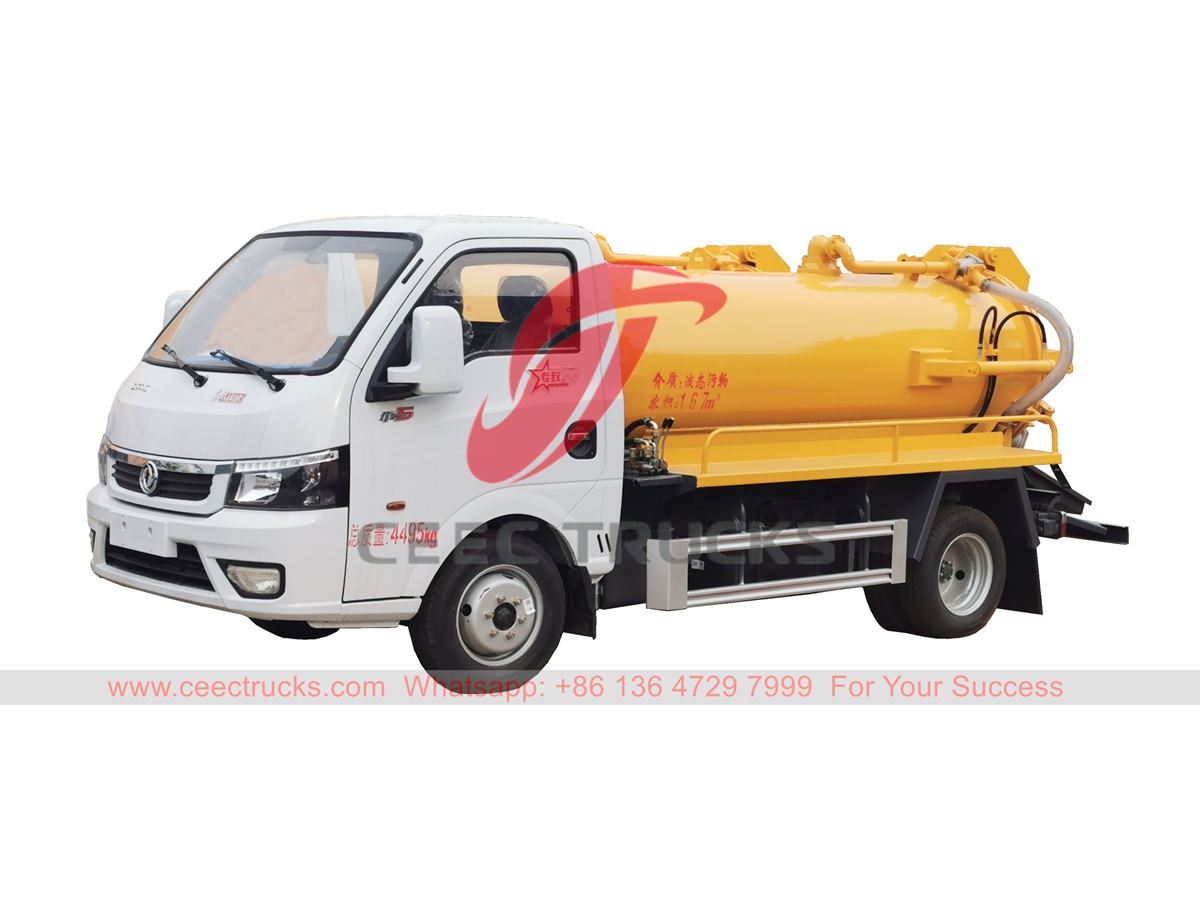
If you’re in the market for a small vacuum tanker, you’re likely facing a crucial decision that balances capability, budget, and operational efficiency. Whether for septic services, liquid waste management, or industrial cleaning, finding the right unit is paramount. This comprehensive guide cuts through the noise, providing a clear roadmap on where to buy a small vacuum tanker, alongside an analysis of top models and their price ranges. We’ll explore trusted manufacturers, key purchasing channels, and the essential factors that separate a good investment from a costly mistake.
Understanding Your Needs Before You Buy
Jumping straight to a purchase without a clear plan is a recipe for disappointment. A small vacuum tanker isn’t a one-size-fits-all solution. The first step is a thorough self-assessment of your specific requirements.
Primary Application and Capacity
What will you be hauling? Septic waste, grey water, oil, or industrial slurry? The material dictates the tank construction (e.g., carbon steel vs. stainless steel) and the required pump strength. Capacity is equally critical. Small vacuum tankers typically range from 500 to 3,500 gallons. A 1,200-gallon unit might be perfect for a residential septic business, while light industrial work may demand 2,500 gallons or more. Overestimating capacity leads to higher upfront costs and operating expenses; underestimating it kills productivity.
Chassis and Regulatory Compliance
Will you be buying a complete truck or a tank body to mount on your own chassis? You must understand Gross Vehicle Weight Rating (GVWR) regulations in your operating region. Exceeding weight limits results in heavy fines. Furthermore, consider the truck’s engine power, axle configuration, and maneuverability for the job sites you typically access.
Top Channels for Purchasing a Small Vacuum Tanker
Once your specifications are locked in, the next question is where to source your equipment. Each channel has distinct advantages.
Direct from Manufacturers
Buying directly from a factory offers the highest level of customization and often the best price for new equipment. You can specify every detail, from valve placements to hose reels. Reputable manufacturers provide certified engineering drawings and pressure tests. For those seeking a balance of quality and value, exploring options from a global industrial leader like Chinese Truck Factory can be a strategic move, as they often cater to international standards with significant customization options.
Established Dealerships and Distributors
For most buyers, especially first-time owners, a local or national dealership is the most practical choice. They offer pre-configured models for quick delivery, provide financing options, and, crucially, warranty support and service. You gain access to their expertise and a relationship for future parts and maintenance. Look for dealers with a long-standing reputation in the vacuum truck sector.
Auctions and Used Equipment Markets
This channel is ideal for budget-conscious buyers with mechanical knowledge. Online auction sites and industrial equipment auctions can feature significant discounts. However, the principle of caveat emptor (buyer beware) rules here. Always insist on a thorough, independent inspection of the tank’s integrity, pump performance, and chassis condition before bidding. A seemingly low price can hide expensive corrosion or engine problems.
Analysis of Popular Small Vacuum Tanker Models & Price Ranges
Prices vary wildly based on specifications, materials, and brand. The following table breaks down typical configurations. Remember, these are estimated market prices; always get a formal quote.
| Model Type | Typical Capacity | Key Features | Estimated Price Range (USD) |
|---|---|---|---|
| Standard Duty (Mild Steel) | 1,000 – 1,800 gal | Single-stage pump, basic hose reel, manual valves | $45,000 – $75,000 (body only) |
| Heavy Duty / Septic (Mild Steel) | 2,000 – 2,800 gal | Two-stage pump, hydraulic reel, safety baffles, jetter option | $70,000 – $110,000 (body only) |
| Corrosion-Resistant (Stainless Steel) | 1,200 – 2,200 gal | 316L Stainless tank, high-flow pump, for harsh chemicals | $90,000 – $150,000+ (body only) |
| Complete Truck Package | 1,800 – 2,600 gal | New chassis (e.g., Freightliner, International), tank body, PTO, full plumbing | $130,000 – $220,000+ (turn-key) |
Note: Prices are highly volatile and depend on current chassis availability and raw material costs. Data synthesized from industry wholesale bulletins and manufacturer lists (2023-2024).
Critical Inspection Checklist Before Finalizing Your Purchase
Never buy a vacuum tanker, new or used, without a rigorous inspection. John Miller, a certified equipment specialist with over 20 years of field experience, emphasizes: “The pump is the heart, but the tank is the soul. A failing pump can be replaced; a compromised tank is a total loss.” Use this checklist:
- Tank Integrity: Check for pitting, repairs, or thinning metal. For used units, a thickness gauge test is non-negotiable.
- Pump Performance: Request a live demonstration. The pump should pull a high vacuum (e.g., 20+ inches of mercury) and hold it steadily.
- Valve and Plumbing System: Operate all valves. Look for leaks, smooth operation, and check the condition of piping and gaskets.
- Safety Features: Ensure vacuum relief valves, pressure gauges, and tank baffles are present and functional. According to the Occupational Safety and Health Administration (OSHA), proper pressure-vessel safety is mandatory.
- Chassis and Legal Compliance: Verify the vehicle’s title, registration status, and that the Gross Vehicle Weight Rating (GVWR) is properly rated for the loaded tank.
Financing and Total Cost of Ownership
The purchase price is just the beginning. Smart buyers budget for the total cost of ownership (TCO).
Financing Options
Commercial equipment loans, leasing programs through dealers, and SBA loans are common routes. A strong down payment (20-30%) can secure better rates. Compare terms from multiple sources.
Ongoing Operational Costs
Factor in fuel, routine maintenance (pump oil, filters, hoses), insurance (which is notably higher for vacuum trucks), and annual tank inspections/certifications required by law in many areas. Setting aside 10-15% of the truck’s annual revenue for maintenance is a prudent rule of thumb.
Frequently Asked Questions (FAQ)
Q: What is the most reliable type of pump for a small vacuum tanker?
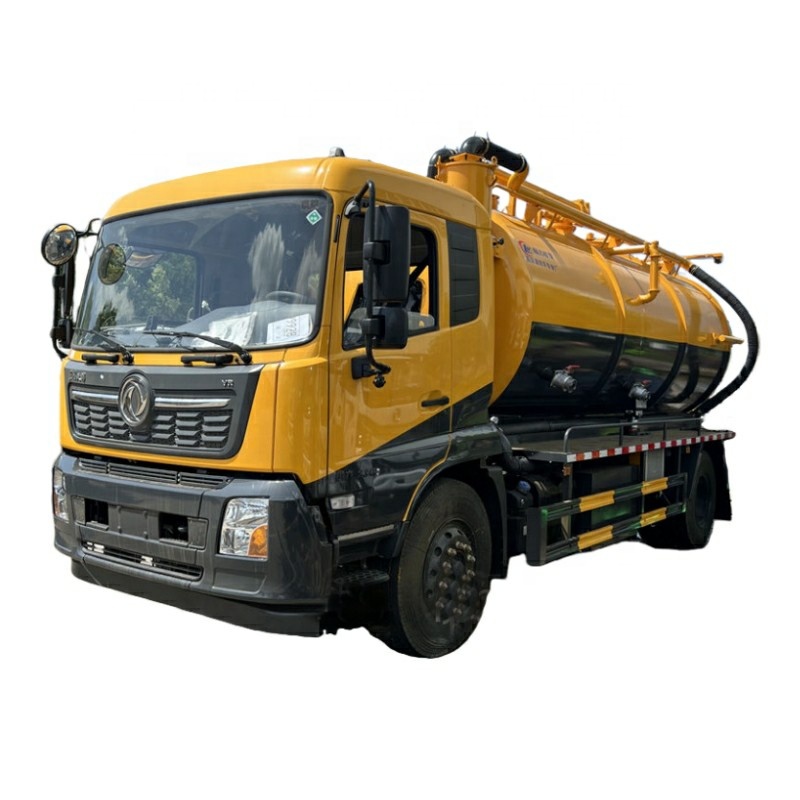
A: For general-purpose and septic work, a robust two-stage centrifugal liquid ring pump is often considered the most reliable workhorse. It handles solids and liquids well and is easier to maintain than some rotary vane models in demanding environments.
Q: How often does a vacuum tanker need certified inspection?
A: This is regulated locally and by tank design. ASME-coded pressure vessels typically require a formal inspection annually. Always check with your local National Board-authorized inspector and your insurance provider for specific requirements.

Q: Can I mount a used tank body on a different used truck chassis?
A: Technically yes, but it’s an engineering project. The chassis must have the correct frame strength, a compatible PTO system, and sufficient GVWR. The cost of fabrication and mounting often outweighs savings unless you have in-house expertise. It’s generally advisable to buy a pre-mounted unit.
Q: Is aluminum a good alternative to steel for the tank?
A: Aluminum is excellent for reducing weight (allowing for larger legal payloads) and resists certain types of corrosion. However, it is more expensive upfront and can be more susceptible to damage from abrasion or impact compared to steel. The choice depends entirely on your target waste material.
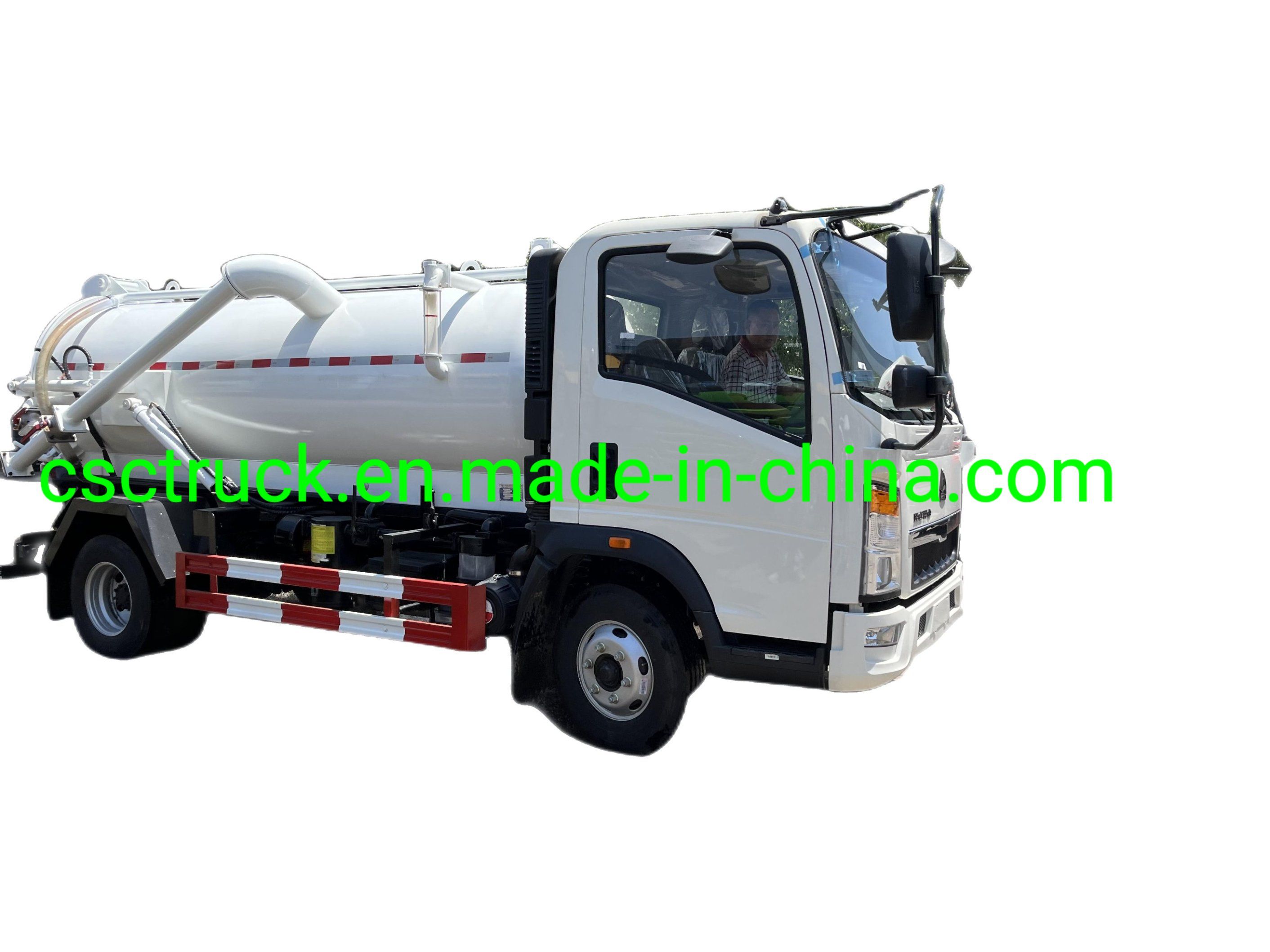
Making an informed decision on where to buy a small vacuum tanker requires blending clear operational goals with practical financial and mechanical scrutiny. By defining your needs, exploring the right purchasing channels, comparing top models and prices diligently, and conducting a ruthless pre-purchase inspection, you can secure a reliable asset that will serve your business profitably for years to come. Remember, the cheapest option upfront is rarely the most economical in the long run.