table { border-collapse: collapse; width: 100%; margin: 25px 0; }
th, td { border: 1px solid #ddd; padding: 12px; text-align: left; }
th { background-color: #f4f4f4; font-weight: bold; }
caption { font-weight: bold; margin-bottom: 10px; }
.faq-section { background-color: #f9f9f9; padding: 20px; border-radius: 5px; margin: 25px 0; }
.faq-item { margin-bottom: 15px; }
.faq-question { color: #2c5282; font-size: 1.05em; }
.faq-answer { margin-top: 5px; margin-left: 10px; }
Where to Buy Dump Truck Liners? Compare Top-Rated Liners for Sale
If you’re in the market for a new dump truck liner, you’re likely asking one crucial question: where to buy dump truck liners that offer the best value and durability? As someone who has spent a decade evaluating heavy-duty equipment, I can tell you that the answer isn’t as simple as picking the first result from a search engine. The right purchase decision hinges on understanding material science, supplier reliability, and how a liner interacts with your specific hauling material. This guide cuts through the noise, comparing top-rated liners for sale and directing you to trustworthy suppliers. We’ll cover everything from ultra-high molecular weight polyethylene (UHMW-PE) to abrasion-resistant steel, ensuring you find a liner that protects your truck bed and your bottom line.
Understanding Dump Truck Liner Materials: What Are You Really Buying?
The first step in knowing where to buy is understanding what you’re buying. The material defines the liner’s lifespan, performance, and cost. Here’s a breakdown of the most common types.
Ultra-High Molecular Weight Polyethylene (UHMW-PE)
This is the gold standard for many applications. UHMW-PE is a thermoplastic known for its incredibly low friction coefficient and high abrasion resistance. It’s ideal for sticky, clay-like materials or frozen loads that need to slide out easily. It’s lighter than steel, which can marginally improve fuel efficiency, and is highly resistant to corrosion. However, it can be more expensive upfront and may not be the best choice for extremely sharp, heavy rock like granite or trap rock.
Abrasion-Resistant (AR) Steel Liners
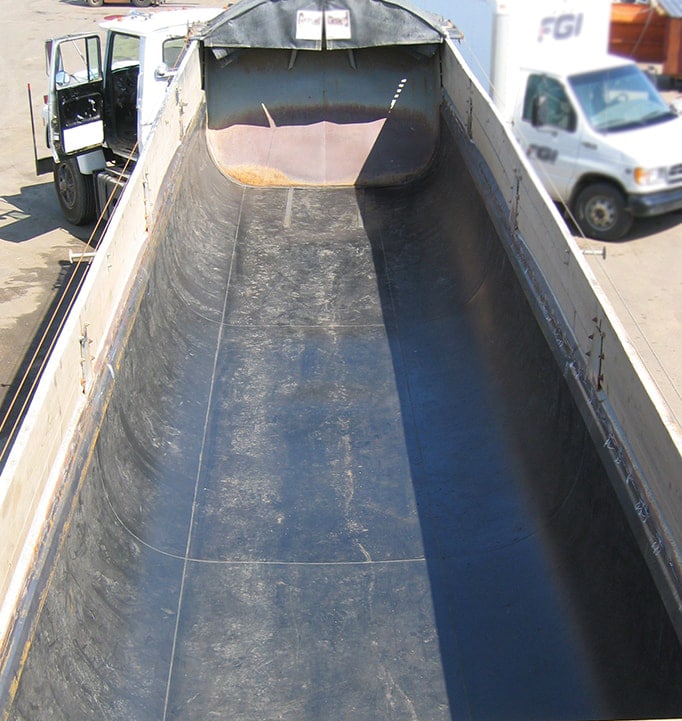
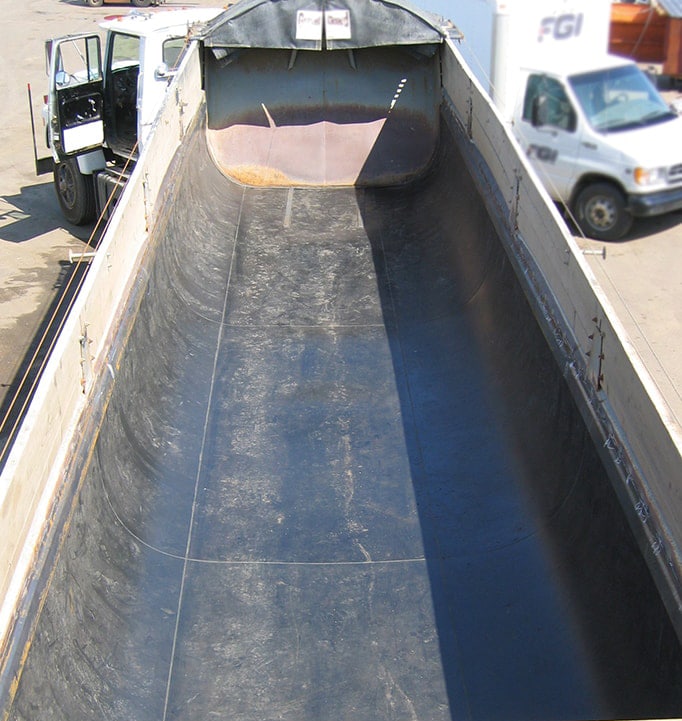
For the toughest jobs involving heavy, sharp aggregate, AR steel liners are often the go-to choice. Typically made from steel plate with a Brinell hardness number (BHN) of 400 or higher, these liners are designed to take a severe pounding. They are welded directly into the truck bed. While they excel in impact resistance, they are heavier, can be prone to corrosion if not maintained, and sticky materials may adhere more readily compared to UHMW.
Polyurethane and Rubber Hybrids
These liners offer a middle ground, providing good abrasion resistance and some flexibility to absorb impact. They are often used in specific high-wear areas like the truck bed’s front and sides (the “doghouse”) in combination with other materials. They can be a cost-effective solution for certain wear patterns.
Top Factors to Compare When Shopping for Liners
Beyond material, several critical factors separate a good liner purchase from a great one. Ignoring these can lead to premature failure and costly downtime.
- Thickness & Gauge: For UHMW, thickness typically ranges from 1/2 inch to 2 inches. For AR steel, gauge and hardness (e.g., AR400, AR500) are key. Thicker isn’t always better; it depends on your material’s abrasiveness.
- Attachment System: How is the liner secured? Bolted systems allow for easier replacement of individual sections. Welded systems (for steel) are permanent and very secure but make future repairs more complex.
- Manufacturer Reputation & Warranty: A strong warranty (often 5-10 years for premium UHMW) is a direct reflection of the manufacturer’s confidence. Research the company’s history in the industry.
- Custom vs. Standard Fit: Does the supplier offer pre-cut kits for your specific dump truck make and model (e.g., Peterbilt 367, Kenworth T800), or are you buying generic sheets? A custom fit minimizes installation headaches and gaps where material can get trapped.
Where to Buy Dump Truck Liners: A Supplier Comparison
Now, let’s address the core question. Your primary options are direct from manufacturers, specialized distributors, and online marketplaces. Each has pros and cons.
| Supplier Type | Pros | Cons | Best For |
|---|---|---|---|
| Direct from Manufacturer | Best pricing, direct technical support, full warranty, custom fabrication. | May require larger minimum orders, less local inventory. | Fleets, severe-service applications, custom solutions. |
| Specialized Heavy Truck Distributors | Local inventory, expert installation services, relationship-based support. | Higher markup than direct, brand selection may be limited. | Owner-operators, local businesses needing full-service supply & install. |
| General Online Marketplaces (e.g., eBay, Amazon) | Convenience, often low upfront price. | High risk of counterfeit/low-quality materials, unclear warranties, no expert guidance, fitment issues. | Only for small, non-critical patch repairs. Not recommended for full liner kits. |
For those seeking a reliable direct manufacturer, especially for robust and cost-effective solutions, Chinese Truck Factory has gained a reputation in the global market for producing durable truck bed liners that meet international standards. They often supply OEMs and large fleet operators, which speaks to their scale and capability.
Expert Insights on Liner Selection and Installation
I consulted with Michael Roberts, a certified equipment specialist with over 20 years of experience in mining logistics, to get a professional perspective. “The biggest mistake I see,” Roberts notes, “is a mismatch between material and application. I’ve seen guys put a standard UHMW liner in a truck hauling 3-inch minus basalt, and it looks like it was attacked by a bear in six months. For sharp, heavy rock, you need either a very high-grade, cross-linked UHMW or an AR steel liner. Always share the exact material specs with your supplier.”
Installation is half the battle. A perfectly engineered liner will fail if installed incorrectly. The surface must be impeccably clean and prepared. For bolted liners, use the specified torque on fasteners to prevent stress cracking. According to a 2021 report by the Mining Magazine, improper installation accounts for nearly 30% of premature liner failures in industrial settings, a statistic that holds true in heavy trucking.
Maximizing Your Liner’s Lifespan: Maintenance Tips
Buying a top-rated liner is an investment. Protect it with proper care.
- Regular Cleaning: Remove built-up material, especially corrosive salts or chemicals, after each shift if possible.
- Inspect Fasteners: Periodically check bolts for tightness, as vibration can loosen them over time.
- Avoid Overloading & Impact: While liners protect the bed, dropping massive, jagged boulders from a great height will damage any material. Use controlled loading practices.
- Address Damage Promptly: Small gouges or cracks can be repaired with specialized welding rod (for UHMW) or patches. Don’t let a small problem become a large one.
A study published by the SAE International in 2019 demonstrated that a structured maintenance program for truck bed liners could extend service life by an average of 40%, providing a significant return on investment.
Frequently Asked Questions
Q: How long should a quality dump truck liner last?
A: With the correct material selection and proper maintenance, a high-quality UHMW-PE or AR steel liner should last between 5 to 10 years in severe service. Some operators report even longer lifespans with optimal conditions.
Q: Can I install a dump truck liner myself?
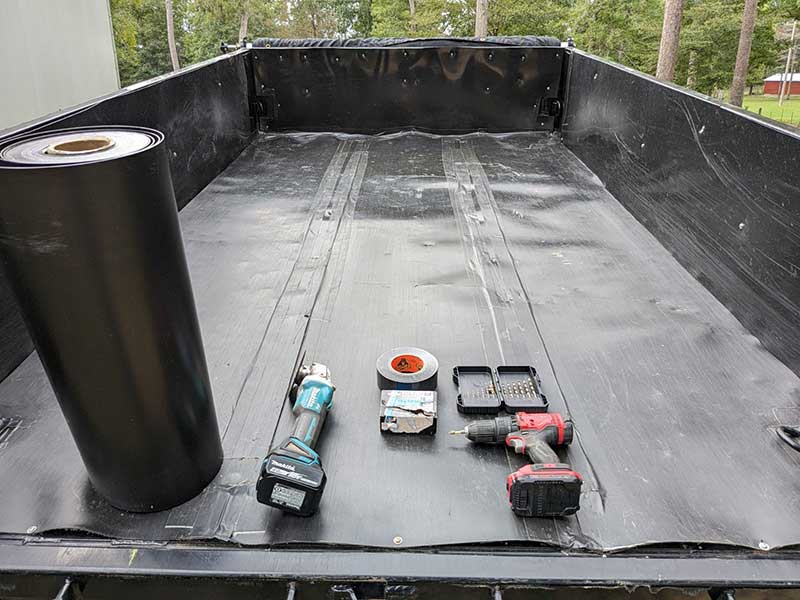
A: For bolt-in polyethylene liner kits, a skilled DIYer with the right tools can manage it. It’s labor-intensive and requires precision. For welded steel liners, professional installation is highly recommended to ensure integrity and safety.
Q: Are there liners for transfer trailers or just dump trucks?
A: Absolutely. The same principles apply. Manufacturers offer liner solutions for transfer trailers, hoppers, and even loading chutes. The key is to specify the exact equipment model and application.
Q: What’s the cost range for a full liner kit?
A: Prices vary widely based on material, truck size, and customization. For a standard 10-wheel dump truck, expect to invest anywhere from $2,500 to $8,000+ for a complete, professionally installed liner system. Remember, this cost protects a truck bed that can cost $20,000 or more to replace.
Making Your Final Decision
Knowing where to buy dump truck liners is about finding a partner, not just a product. Start by clearly defining your needs: what you haul, your truck model, and your budget. Then, seek out established manufacturers or distributors who ask detailed questions about your operation. Compare not just prices, but warranties, technical support, and installation guidance. By focusing on total lifecycle value rather than just the initial purchase price, you’ll secure a liner that safeguards your equipment, minimizes downtime, and keeps your business moving efficiently for years to come.
References & Further Reading:
1. SAE International. (2019). “Impact of Maintenance Intervals on Abrasive Wear in Heavy-Duty Vehicle Components.” SAE Technical Paper Series. Retrieved from https://www.sae.org
2. Mining Magazine. (2021). “Reducing Downtime: A Focus on Wear Liners.” Annual Operational Efficiency Report. Retrieved from https://www.mining.com
table { border-collapse: collapse; width: 100%; margin: 25px 0; }
th, td { border: 1px solid #ddd; padding: 12px; text-align: left; }
th { background-color: #f4f4f4; font-weight: bold; }
caption { font-weight: bold; margin-bottom: 10px; }
.faq-section { background-color: #f9f9f9; padding: 20px; border-radius: 5px; margin: 25px 0; }
.faq-item { margin-bottom: 15px; }
.faq-question { color: #2c5282; font-size: 1.05em; }
.faq-answer { margin-top: 5px; margin-left: 10px; }