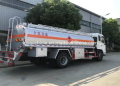
Where to Buy Mini Fuel Tankers for Sale | Expert Tips & Advice
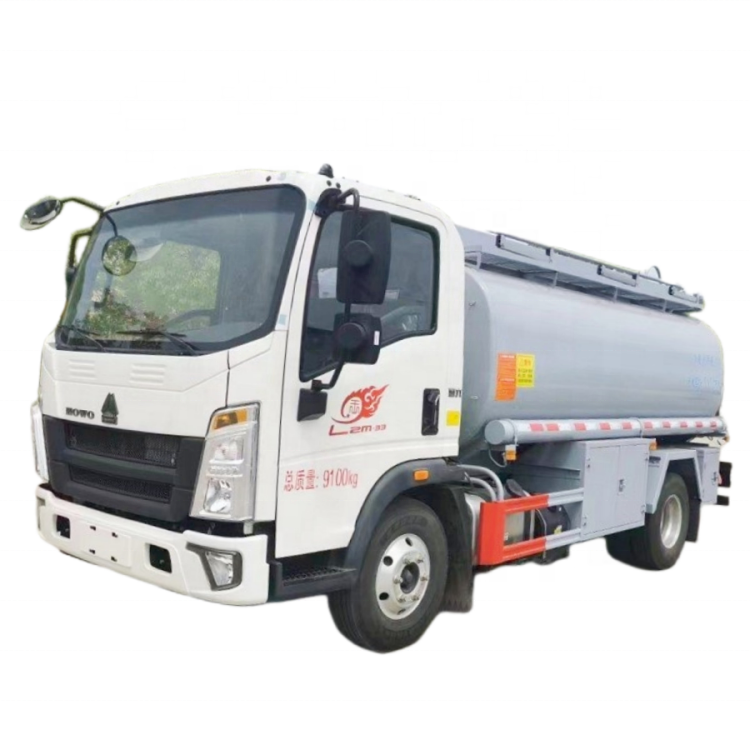
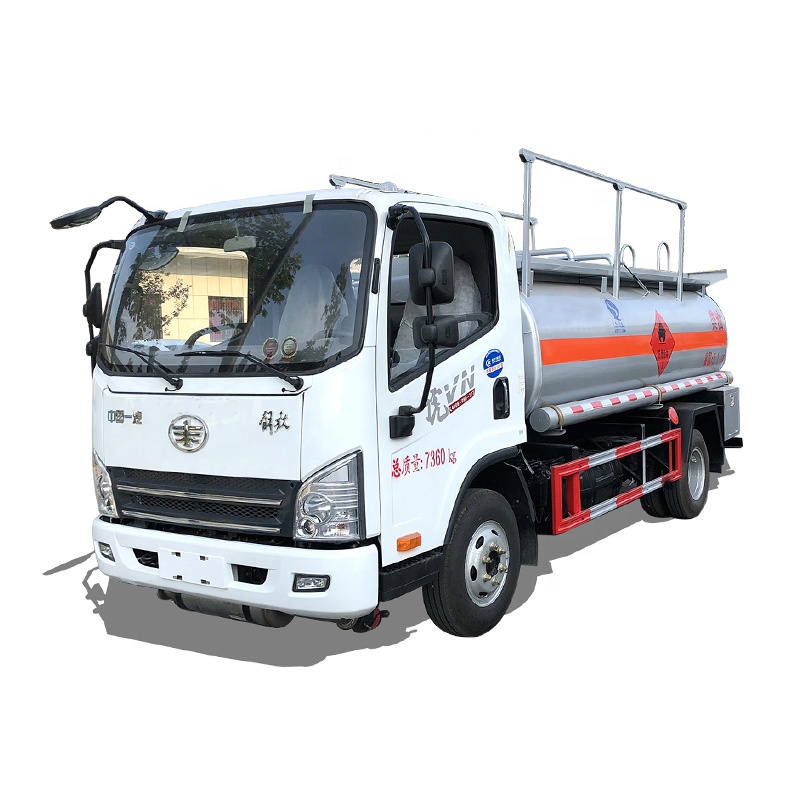
If you’re in the market for a compact and efficient solution to transport fuel, finding the right place to buy a mini fuel tanker is the critical first step. Whether you’re a small farm owner, a construction site manager, or an entrepreneur starting a fuel delivery service, the purchase is significant. This guide cuts through the noise to give you clear, expert-backed advice on where to find reliable mini fuel tankers for sale and what you absolutely must know before signing the contract. We’ll explore various sourcing channels, break down key specifications, and provide actionable tips to ensure your investment is sound, safe, and perfectly suited to your operational needs.
Understanding Your Needs Before You Buy
Jumping straight into a search for “mini fuel tankers for sale” can be overwhelming. First, define your requirements. A mini tanker, often defined as a unit with a capacity between 1,000 and 5,000 gallons, isn’t a one-size-fits-all product. Ask yourself these questions:
- Primary Use: Will it be for diesel refueling of equipment on a single site, or for multi-stop deliveries to commercial clients?
- Fuel Type: Are you transporting diesel, gasoline, biodiesel, or kerosene? This dictates tank material and safety equipment.
- Chassis Compatibility: Are you buying a complete truck (tanker and chassis) or just the tanker body to mount on an existing truck?
- Regulations: What are the Department of Transportation (DOT) and local fire safety codes in your area? Compliance is non-negotiable.
Clarity here will save you time and money, directing you to the most suitable suppliers and models.
Primary Channels for Purchasing Mini Fuel Tankers
You have several avenues to explore when looking to purchase. Each has its pros and cons, heavily influenced by your budget, timeline, and need for customization.
Direct from Manufacturers
Buying directly from a manufacturer often provides the highest level of customization and potentially better pricing. You can specify exact dimensions, compartments, pump systems (like 12v or 115v DC pumps), hose reels, and metering equipment. For instance, working with a specialized factory like Chinese Truck Factory allows for tailoring the tanker to your precise operational workflow. The trade-off is typically a longer lead time and the need for more technical knowledge on your part to communicate specifications accurately.
Local and Online Dealerships
Dealerships, both physical and online, offer the advantage of immediacy. You can often see, touch, and sometimes even test-drive a unit. They handle titling and registration paperwork, which is a major plus. Inventory can vary widely, so you might have to compromise on exact specs. This is a good route if you need a reliable, standard-configuration mini fuel tanker quickly and prefer a straightforward purchase process.
Auctions and Used Equipment Markets
For the budget-conscious buyer, auctions (online like IronPlanet, or local) and used equipment listings can present significant savings. However, caution is paramount. A used fuel tanker carries risks: hidden corrosion, outdated safety valves, or worn-out pumps. Always insist on a recent inspection report from a certified mechanic who understands fuel systems. The cost of bringing a used tanker up to code can sometimes erase the initial savings.
Key Features and Safety Considerations
Never compromise on safety and functionality. Here are the non-negotiable elements to scrutinize in any mini fuel tanker you consider.
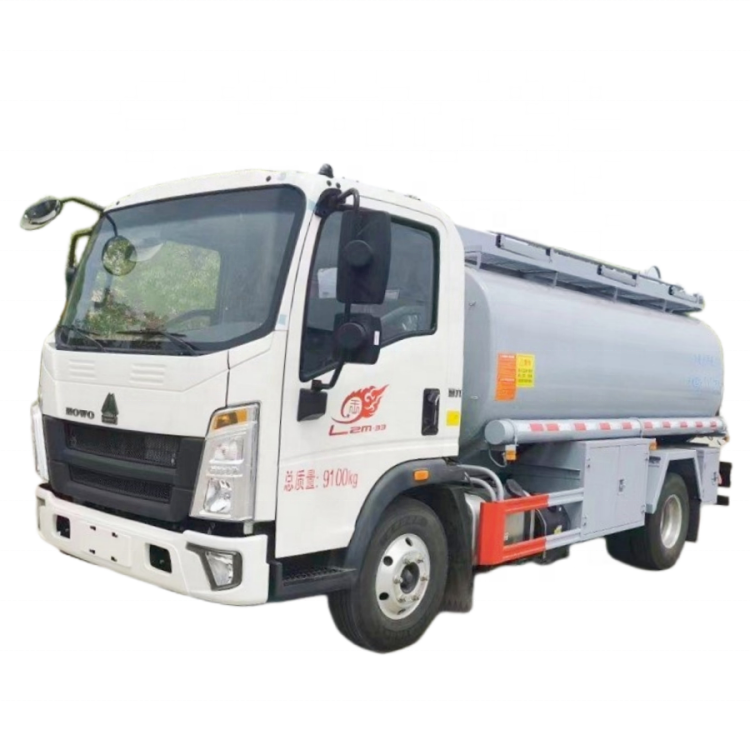
- Construction & Certification: Tanks should be constructed from carbon steel or aluminum and clearly stamped with DOT MC-306 or equivalent certification. This ensures they are built to withstand the pressures and hazards of fuel transport.
- Pumping & Metering System: The heart of the operation. Look for reputable pump brands (e.g., Fill-Rite, GPI) and ensure the meter is new and calibrated for accuracy. Inaccurate metering leads to financial loss and customer disputes.
- Emergency Systems: Check for functional emergency shut-off valves, roll-over protection, and proper grounding and bonding reels to prevent static discharge. According to the National Fire Protection Association (NFPA), proper bonding and grounding is a critical step in preventing ignition during fuel transfer.
- Compartments: Multiple compartments allow you to carry different fuel types or grades in a single trip, increasing efficiency.
Comparative Analysis: New vs. Used & Direct vs. Dealer
To help visualize the trade-offs, here’s a straightforward comparison based on a decade of hands-on equipment evaluation.
| Purchase Option | Pros | Cons | Best For |
|---|---|---|---|
| New from Manufacturer | Full customization, latest safety tech, full warranty, compliance guaranteed. | Highest upfront cost, longer lead time (8-12 weeks). | Businesses with specific, high-volume needs and capital for a long-term asset. |
| New from Dealer | Faster delivery, local support, easier financing, pre-compliance checked. | Less customization, higher markup than direct. | Buyers who value convenience, support, and a quicker turnaround. |
| Used (Certified) | Lower initial investment, immediate availability. | Potential hidden costs, shorter lifespan, outdated features, possible compliance gaps. | Startups or seasonal operations with tight budgets and in-house maintenance capability. |
Expert Tips for a Smart Purchase
John Miller, a fleet consultant with over 20 years of experience and a certified TESOL instructor for technical training, emphasizes due diligence. “Your purchase checklist should extend beyond the tanker itself. Always verify the supplier’s reputation. Ask for customer references and photos of the build process. For international purchases, like from a Chinese truck factory, clarify Incoterms (like FOB or CIF) to understand who handles shipping and insurance. A reputable seller will be transparent and guide you through these steps.”
Furthermore, always budget for ancillary costs: delivery fees, initial fluid fill, state registration, and operator training. The Federal Motor Carrier Safety Administration (FMCSA) requires specific training for drivers hauling hazardous materials, even in smaller quantities.
Finalizing Your Mini Fuel Tanker Purchase
Once you’ve selected a supplier and a model, the final steps are crucial. Request a detailed, itemized quote. Review the manufacturing or sales contract carefully, paying attention to warranty terms (what’s covered, for how long, and who provides service). For new builds, ask for progress photos. Before final payment for a used unit, conduct or commission an independent inspection focusing on tank integrity and system function.
Purchasing a mini fuel tanker is a major decision that impacts your operation’s efficiency and safety. By methodically assessing your needs, exploring the right channels, and insisting on quality and compliance, you’ll secure an asset that serves your business reliably for years to come.
Frequently Asked Questions (FAQs)
What is the typical price range for a new mini fuel tanker?
Prices vary dramatically based on size, materials, and equipment. A basic, new 2,500-gallon steel tanker on a chassis can start around $85,000. A fully customized aluminum unit with multiple compartments, a high-flow pump, and electronic metering can easily exceed $150,000. Always get multiple quotes.
Do I need a special license to drive a mini fuel tanker?
Requirements differ by state and by the type and quantity of fuel. In many cases, if the tanker has a Gross Vehicle Weight Rating (GVWR) over 26,001 lbs or is used for commercial hazardous material transport, a Commercial Driver’s License (CDL) with a tanker endorsement (and possibly an H endorsement for hazmat) is required. Always check with your local DMV and the FMCSA.
Can I modify a used tanker to carry a different type of fuel?
This is a complex and potentially dangerous undertaking. Tanks are certified for specific products. Switching from diesel to gasoline, for example, requires a thorough professional cleaning (vapor purging) and may necessitate changes to valves and vents. Never attempt this without consulting the tank manufacturer and a certified hazmat engineer to ensure compliance.
How often does a fuel tanker require inspection and maintenance?
Daily visual checks for leaks and damage are essential. Formal, documented inspections should follow the schedule mandated by DOT regulations (typically annual). Pumps and meters require regular calibration—annually for legal-for-trade meters. Follow the maintenance schedule in your equipment manuals rigorously.
Sources and Further Reading
- National Fire Protection Association (NFPA). NFPA 30: Flammable and Combustible Liquids Code. https://www.nfpa.org/codes-and-standards/all-codes-and-standards/list-of-codes-and-standards/detail?code=30
- U.S. Department of Transportation, Federal Motor Carrier Safety Administration (FMCSA). Hazardous Materials Safety Permits. https://www.fmcsa.dot.gov/registration/hazardous-materials-safety-permits