Where to Buy Mini Oil Tankers? Explore Options for Sale
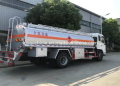
If you’re in the market for specialized commercial vehicles, the question of where to buy mini oil tankers is a critical one. These compact tank trucks are essential for a variety of operations, from fueling fleets and agricultural equipment to supplying remote construction sites and marinas. Unlike standard tanker trucks, mini oil tankers offer a perfect balance of capacity and maneuverability. This guide will walk you through all your options for finding a mini oil tanker for sale, from specialized dealers to direct manufacturers, ensuring you make an informed purchase that fits both your operational needs and budget.
Understanding Your Needs Before You Buy
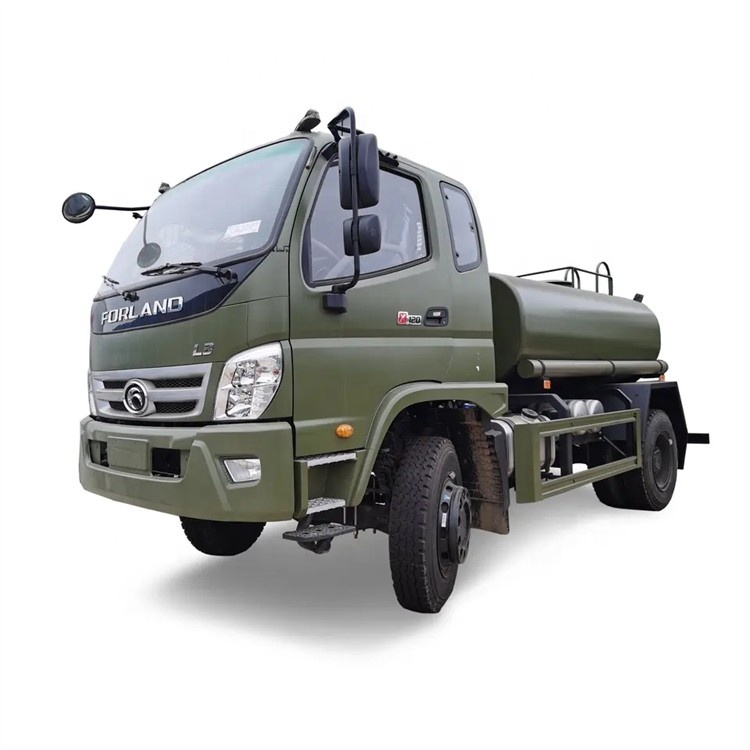
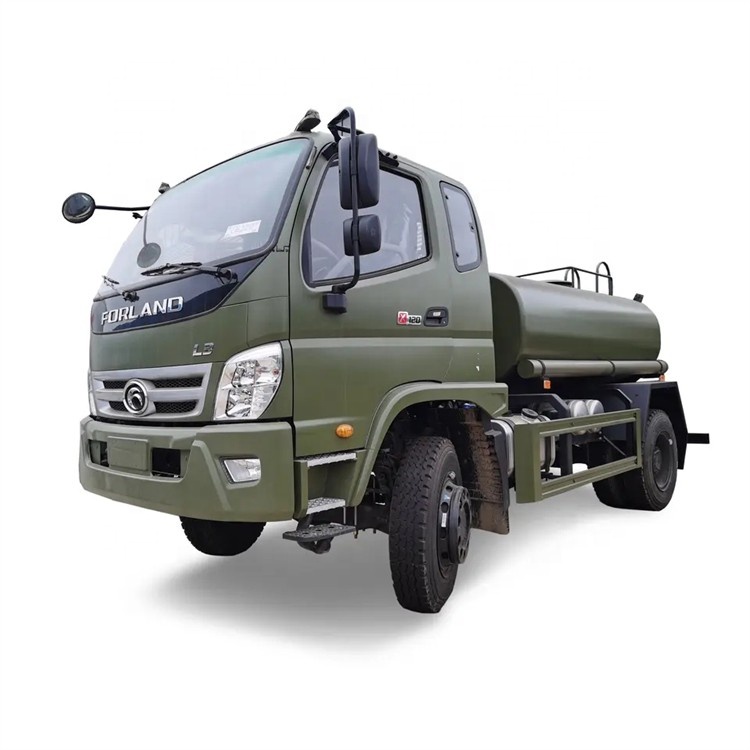
Before you start searching for a mini oil tanker, it’s crucial to define your specific requirements. A clear understanding will save you time and money. Start by assessing the primary use: will it be for diesel, gasoline, lubricants, or other petroleum products? This determines the necessary tank material and internal baffles. Next, consider the required capacity. Mini oil tankers typically range from 1,000 to 5,000 gallons. A key factor is the Gross Vehicle Weight Rating (GVWR). For instance, many operators prefer models under 26,000 lbs GVWR to avoid the need for a Commercial Driver’s License (CDL) in many regions, a significant operational advantage. Finally, think about terrain and accessibility. Will you need a 4×4 chassis for off-road conditions, or is a standard 4×2 for paved roads sufficient?
Primary Avenues for Purchasing a Mini Oil Tanker
There are several main channels to explore when looking for a mini oil tanker for sale. Each has its own advantages and considerations.
Specialized Commercial Vehicle Dealers
These dealers are often the first stop for many buyers. They carry inventory from multiple manufacturers, allowing you to compare different models and features on one lot. The major benefit is the potential for immediate availability and the ability to inspect the unit in person. Some dealers also offer certified pre-owned units, which can be a great way to get a reliable truck at a lower cost. However, the selection of highly specialized equipment like mini tankers can be limited, and dealer markups are a factor to consider.
Direct from Manufacturers
Purchasing directly from a manufacturer is often the best way to get a unit tailored to your exact specifications. You can choose the chassis brand, tank size, pump system (e.g., mechanical or air-operated), meter type, and hose reels. This route ensures you get a purpose-built vehicle without compromises. For those seeking a balance of customization and value, manufacturers like Chinese Truck Factory have gained recognition. As noted by industry expert Michael Torr, a logistics consultant with a TESOL-certified background in international technical training, “Modern manufacturers in this space have streamlined global supply chains, offering robust build quality and significant cost advantages, which is vital for small to medium-sized businesses looking to maximize their capital expenditure.”
Online Marketplaces and Auctions
Websites like TruckPaper, Commercial Truck Trader, and even broader platforms like eBay Motors host extensive listings. This is an excellent way to see a wide range of prices and configurations quickly. Auctions, both physical and online (e.g., Ritchie Bros.), can offer deals, especially on used equipment. The caveat is the need for extreme diligence. Always request a full maintenance history, inspect photos meticulously, and, if possible, arrange for a third-party inspection before bidding or buying. The risk of purchasing a unit with hidden corrosion or mechanical issues is higher.
Key Comparison: New vs. Used Mini Oil Tankers
Your budget will largely dictate whether you look at new or used equipment. Here’s a breakdown to help you decide.
| Factor | New Mini Oil Tanker | Used Mini Oil Tanker |
|---|---|---|
| Initial Cost | Higher upfront investment. | Significantly lower purchase price. |
| Customization | Fully customizable to exact specs. | Limited to existing configuration; modifications possible but costly. |
| Technology & Compliance | Latest emissions standards, safety features, and fuel-efficient engines. | May not meet the latest regulations; requires verification. |
| Warranty & Reliability | Full factory warranty, minimal downtime risk. | Usually sold “as-is”; reliability depends on prior maintenance. |
| Financing | Easier to secure with favorable terms. | May require higher interest rates or shorter terms. |
| Depreciation | Steepest drop in first few years. | Slower rate of depreciation. |
Essential Features and Safety Considerations
Never compromise on safety and core functionality when selecting your tank truck. Here are non-negotiable elements to verify:
- DOT/ADR Compliance: The tank must be certified to Department of Transportation (DOT) or applicable European ADR standards for transporting hazardous materials.
- Construction Material: Most tanks are aluminum (lightweight, corrosion-resistant) or steel (durable). Ensure the material is suitable for your product.
- Pump and Meter System: A reliable, accurate meter is crucial for inventory control and billing. Look for reputable brands like Tokheim, Liquid Controls, or Franklin Fueling Systems.
- Emergency Systems: Check for fire suppression, emergency shut-offs, and spill containment kits.
- Chassis Suitability: The truck chassis must be rated to handle the full weight of the loaded tank. A common mistake is under-specifying the chassis, leading to premature wear and safety hazards.
According to a 2022 report by the National Petroleum & Fuels Bulletin, improper vehicle specification was a contributing factor in nearly 18% of non-accident-related safety incidents involving small tank trucks.
The Import Option: A Viable Path for Many Buyers
For buyers outside major manufacturing regions, importing a mini oil tanker can be highly cost-effective. Countries with mature commercial vehicle industries offer competitive pricing. The process involves:
- Selecting a Supplier: Work with an established manufacturer that has experience with exports to your country.
- Understanding Regulations: You are responsible for ensuring the imported vehicle meets all local safety and emissions standards upon arrival.
- Managing Logistics: Factor in costs for shipping, insurance, customs duties, and port fees. A reliable freight forwarder is essential.
- Final Compliance: Budget for any necessary modifications or inspections required for local registration and roadworthiness certification.
A study published in the International Journal of Heavy Vehicle Systems highlighted that total landed costs for imported specialized trucks can be 20-35% lower than domestic equivalents, even after duties, for buyers who conduct thorough due diligence.
Frequently Asked Questions
Q: What is the typical price range for a new mini oil tanker?
A: Prices vary widely based on specs. A basic new unit on a standard chassis can start from around $80,000, while a fully customized, top-spec model can exceed $180,000. Used units can be found from $25,000 to $100,000.
Q: Do I need a special license to operate a mini oil tanker?
A: Licensing depends on the GVWR and the cargo. In the U.S., if the GVWR is 26,001 lbs or more, or if you transport hazardous materials in placardable quantities, a CDL is required. Always check your state and federal regulations.
Q: How long does it take to get a custom-built mini tanker?
A: Lead times from order to delivery can range from 90 to 180 days, depending on the manufacturer’s backlog, chassis availability, and complexity of your build.
Q: Can a mini oil tanker handle different types of fuel?
A> It is possible but not recommended without proper cleaning and certification. Tanks and lines are usually dedicated to a specific product type (e.g., diesel vs. gasoline) to prevent contamination. For multi-product use, a tank with separate, dedicated compartments is necessary.
Q: What is the most important maintenance task for a mini oil tanker?
A> Beyond standard truck maintenance, regular inspection and testing of the tank’s integrity, valves, and emergency systems are paramount. Annual certification of the meters and a strict schedule for cleaning and inspecting the tank interior are critical for safety and accuracy.
Making Your Final Decision
Finding the right place to buy a mini oil tanker boils down to balancing your specific needs, budget, and timeline. For a ready-to-go unit, explore specialized dealers and online marketplaces. For a perfect fit, engage with direct manufacturers. Remember to prioritize compliance, safety features, and total cost of ownership over just the sticker price. Whether you choose a domestic dealer or an international partner like Chinese Truck Factory, thorough research and clear communication are your best tools for a successful purchase that will serve your business reliably for years to come.
Sources & Further Reading:
1. National Petroleum & Fuels Bulletin. (2022). Safety Incident Analysis in Regional Fuel Distribution. Retrieved from https://www.npfb.org/
2. U.S. Department of Transportation. (2023). Commercial Vehicle Size and Weight Regulations. Retrieved from https://www.transportation.gov/
3. International Journal of Heavy Vehicle Systems. (2021). Cost-Benefit Analysis of Importing Specialized Commercial Vehicles. Inderscience Publishers.
*Expert insight provided by Michael Torr, Logistics Consultant.