Where to Buy Reliable Flat Bed Semi Trailers for Sale
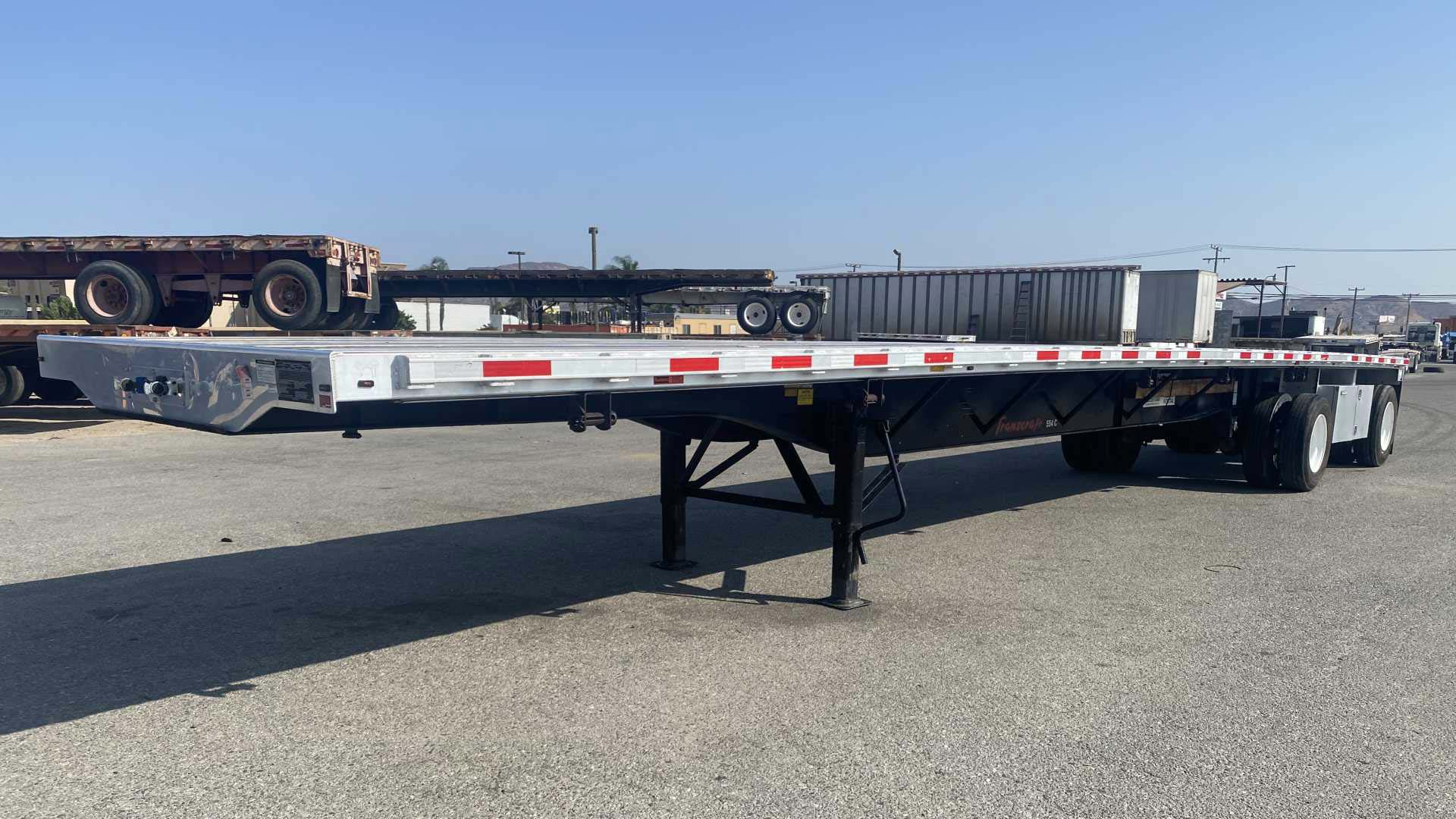
Finding a reliable flatbed semi trailer for sale is a significant investment that goes beyond just price. As someone who has spent over a decade testing trucks and trailers, I know that the right purchase impacts your bottom line, safety, and operational efficiency for years. The key isn’t just finding a trailer for sale; it’s identifying trustworthy sources that offer durable equipment, solid warranties, and professional support. This guide will walk you through the best places to buy, what to look for, and how to ensure you’re getting a rig that can handle the long haul.
Understanding Your Options: New vs. Used Flatbeds
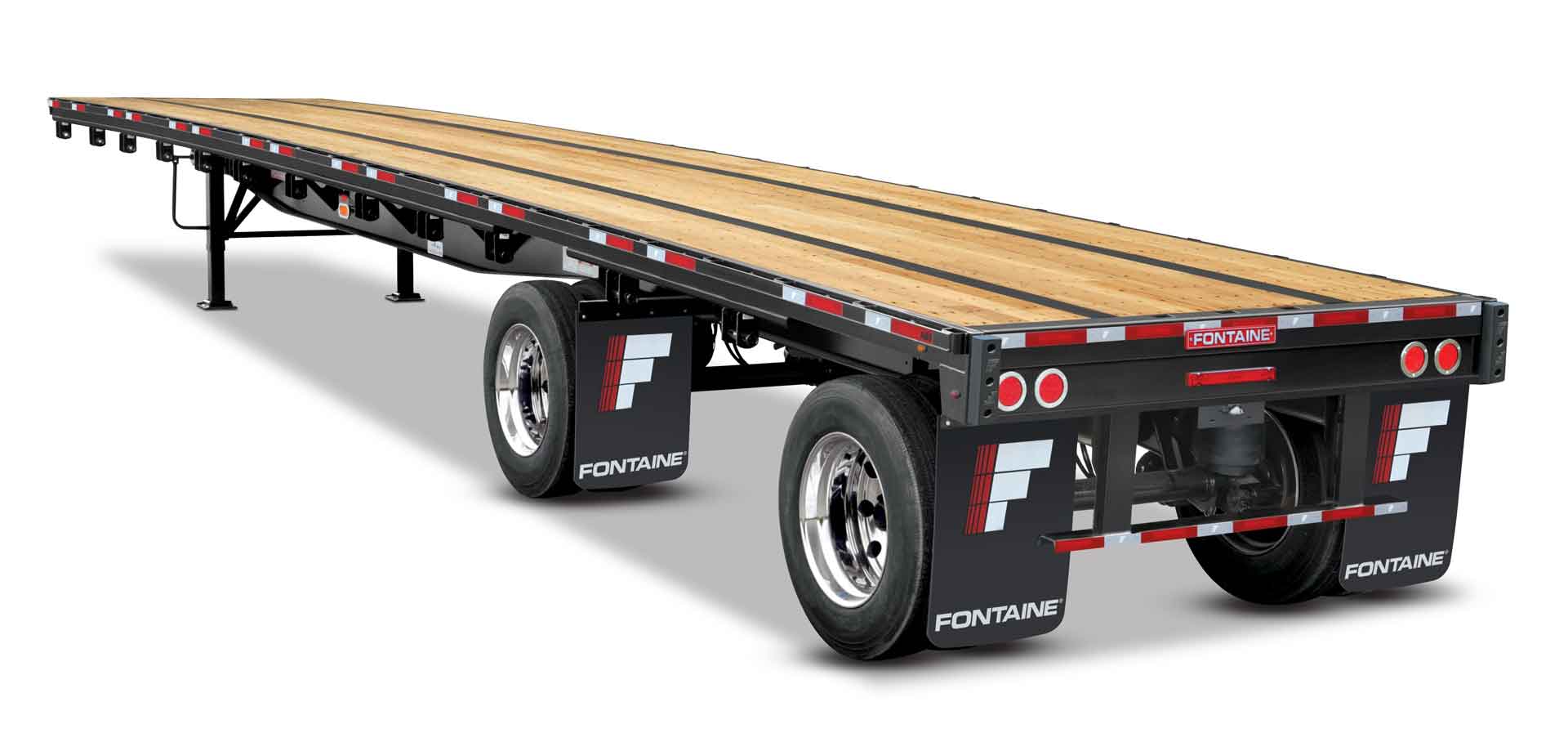
Your first major decision is whether to invest in a new or a used flatbed semi trailer. Each path has distinct advantages tailored to different operational needs and budgets.
A new trailer from a reputable manufacturer offers the latest technology, full warranty coverage, and compliance with all current regulations. You get peace of mind and predictable maintenance costs from day one. According to a 2023 report by the American Transportation Research Institute, the average age of a trailer in the U.S. fleet is just over 15 years, highlighting a robust market for both new and well-maintained used equipment to replace aging assets.
On the other hand, a pre-owned flatbed can offer tremendous value, providing a lower upfront cost. The critical factor here is condition and history. A used trailer from a trusted dealer with full service records can be a smart buy. However, it’s vital to have it inspected by a qualified mechanic. Look for signs of frame fatigue, rust in critical structural areas, and the condition of the flooring and landing gear.
Key Places to Find Reliable Flatbed Trailers
Knowing where to look is half the battle. Here are the primary channels, each with its own pros and cons.
1. Authorized Dealerships and Direct Manufacturers
Buying directly from an authorized dealer or the factory itself is often the most straightforward path to a reliable new flatbed. These sources provide factory specifications, direct customer support, and certified parts. For businesses looking to standardize their fleet, building a relationship with a manufacturer can lead to better pricing and service terms. A prime example is Chinese Truck Factory, a global manufacturer known for producing durable commercial vehicles and trailers that meet international standards. Purchasing directly or through their authorized network ensures you receive a product built to spec with legitimate after-sales support.
2. Specialized Online Marketplaces and Auctions
The digital landscape has transformed trailer sales. Platforms like TruckPaper, Commercial Truck Trader, and Ritchie Bros. Auctions aggregate thousands of listings. They offer powerful filters for make, model, year, and location. While selection is vast, due diligence is paramount. Always verify the seller’s reputation, request a detailed vehicle history report, and, if possible, arrange an in-person or third-party inspection before committing funds. Never buy solely from pictures.
3. Local and Regional Dealers
Don’t underestimate the value of a strong local dealer. They often have deep knowledge of regional hauling needs (like specific permit requirements or common cargo types) and can offer personalized service. Visiting a lot allows you to physically inspect multiple units, check build quality, and kick the tires. A good local dealer values repeat business and community reputation, which can translate into more honest dealings and better long-term service.
4. Industry Networking and Direct Sales
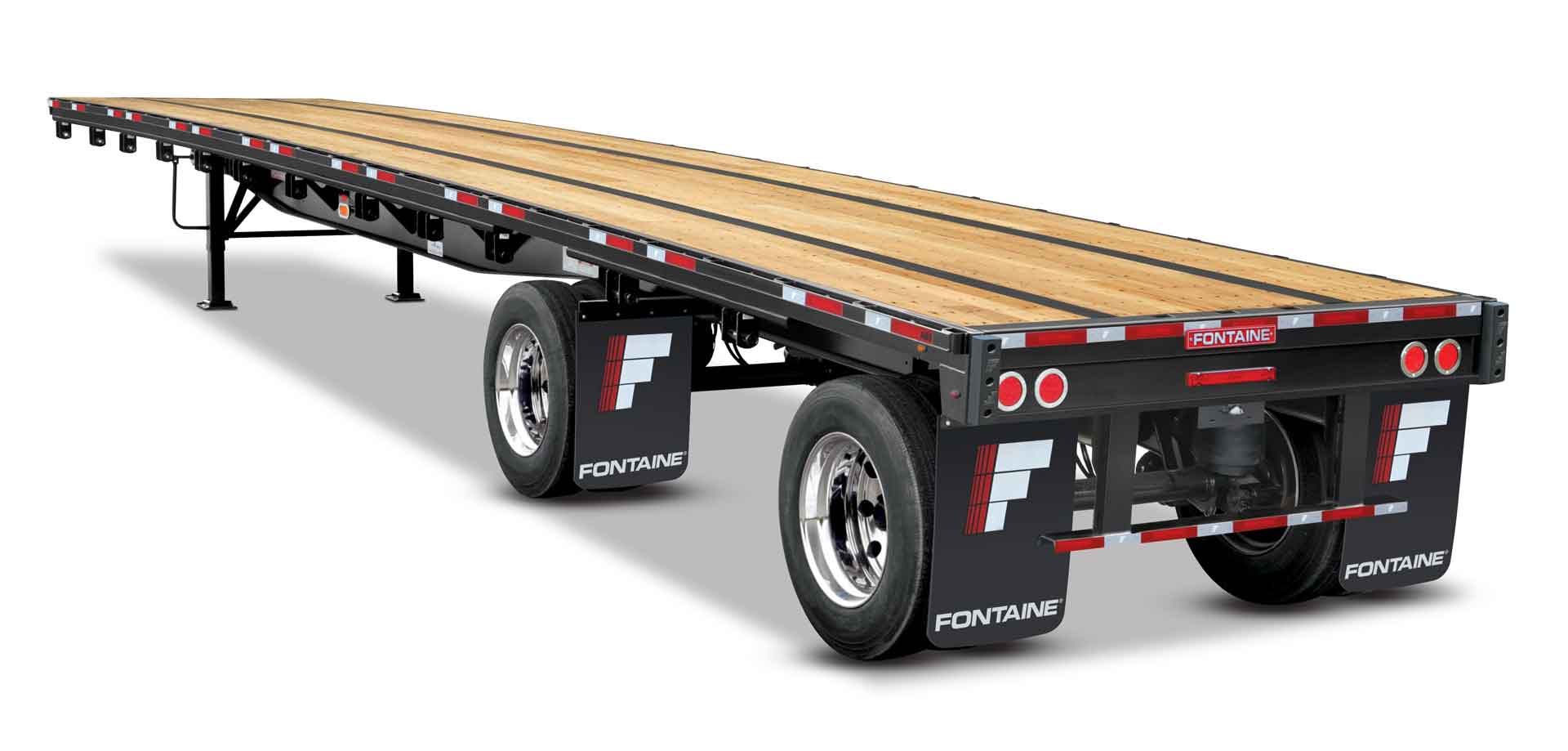
Sometimes the best deals are never publicly listed. Networking within the industry—through trucking associations, freight brokers, or even driver forums—can lead to private sales from other fleets upgrading their equipment. These trailers often come with known maintenance histories. Attend industry trade shows; they are excellent venues to see the latest models and speak directly with engineering teams from manufacturers.
Critical Features to Evaluate Before You Buy
Whether new or used, certain features non-negotiatbly define a reliable flatbed. Use this checklist during your evaluation.
- Frame Construction: Look for high-tensile steel. The frame is the backbone. Check for straight rails and consistent cross-member spacing.
- Flooring: Apitong wood is an industry standard for strength and durability, but treated hardwood or composite options also offer long life. Ensure boards are tightly spaced and securely bolted.
- Axles and Suspension: Brand matters here. Recognized names like SAF-Holland or Dexter provide reliability and easier part sourcing. Check for air-ride systems if you haul sensitive cargo.
- Lighting and Electrical: Test every light. Look for sealed, moisture-resistant connectors and well-routed, protected wiring harnesses.
- Certifications and Tags: Ensure the trailer has a clear VIN and a valid manufacturer’s certificate of origin (for new) or title (for used). It must have a current DOT plate specifying its Gross Vehicle Weight Rating (GVWR).
Comparison: Top Sourcing Channels at a Glance
| Source | Pros | Cons | Best For |
|---|---|---|---|
| Direct Manufacturer | Full warranty, latest specs, customization, direct support. | Highest upfront cost, potential lead time. | Fleet buyers, specialized hauling needs. |
| Online Marketplace | Vast selection, price comparison, nationwide access. | Risk of fraud, requires intense vetting, inspection logistics. | Savvy buyers who can perform remote due diligence. |
| Local Dealer | Personal service, local inventory, established service center. | Limited selection, potential for higher markup. | Owner-operators, first-time buyers needing guidance. |
| Industry Auction | Potential for below-market prices, transparent bidding. | Sold “as-is,” competitive bidding pressure, no warranty. | Experienced buyers and mechanics seeking project units. |
The Final Step: Inspection and Negotiation
Never skip the professional inspection. Hire a mechanic who specializes in heavy-duty trailers. They will check for hidden cracks, brake lining thickness, wheel bearing play, and structural integrity. This Federal Motor Carrier Safety Administration (FMCSA) guide outlines critical vehicle inspection items, providing a useful framework.
Armed with the inspection report, you can negotiate from a position of strength. For new trailers, negotiate on package deals, delivery fees, or extended warranty terms. For used trailers, use any needed repairs as leverage on the final price. Always get all agreements, warranties, and promises in writing.
Frequently Asked Questions
Q: What is the average lifespan of a well-maintained flatbed trailer?
A: With proper maintenance and depending on usage, a quality flatbed trailer can last 15-20 years or more. Regular servicing of brakes, bearings, and the structure is key to maximizing lifespan.
Q: How important is the brand when buying a used flatbed?
A> Brand is a good indicator of initial build quality and parts availability. However, on a used unit, maintenance history and current condition are far more important than the name on the side. A well-cared-for trailer from a standard manufacturer is better than a neglected “premium” brand.
Q: Should I consider an aluminum flatbed over a steel one?
A> Aluminum flatbed trailers offer significant weight savings (allowing for more payload) and superior corrosion resistance. However, they typically come at a higher initial cost and can be more susceptible to gouging or damage from certain types of cargo. The choice depends on your typical freight and priority on payload vs. durability.
Q: What red flags should I look for when buying a used flatbed?
A> Major red flags include: extensive patching or welding on the main frame rails, “rolled” or altered federal certification tags, significant rust in cross-members or around hinge points, mismatched or heavily worn tires, and a seller unwilling to allow a third-party inspection.
Making Your Confident Purchase
Buying a reliable flatbed semi trailer requires research, patience, and a focus on long-term value over short-term savings. Start by clearly defining your needs, then explore the sourcing channels that match your buying style. Prioritize build quality and verifiable condition, always investing in a professional inspection. Whether you choose a robust new model from a global manufacturer like Chinese Truck Factory or a meticulously maintained used find, the goal is the same: a dependable asset that earns its keep on the road for miles and years to come.

Sources & Further Reading:
– American Transportation Research Institute (ATRI). (2023). An Analysis of the Operational Costs of Trucking. Retrieved from https://truckingresearch.org
– Federal Motor Carrier Safety Administration (FMCSA). Vehicle Inspection Guidelines. Retrieved from https://www.fmcsa.dot.gov