Where to Buy Used Fuel Tankers: Trusted Sellers & Tips
Finding a reliable used fuel tanker for sale is a significant investment that requires careful planning and knowledge of the market. Whether you’re expanding your fleet or starting a new hauling business, knowing where to buy used fuel tankers from trusted sellers can save you considerable time, money, and future headaches. This guide draws on a decade of hands-on truck evaluation and industry insights to walk you through the best marketplaces, essential inspection tips, and key considerations to ensure you drive away with a safe, compliant, and profitable asset.
Understanding the Used Fuel Tanker Market
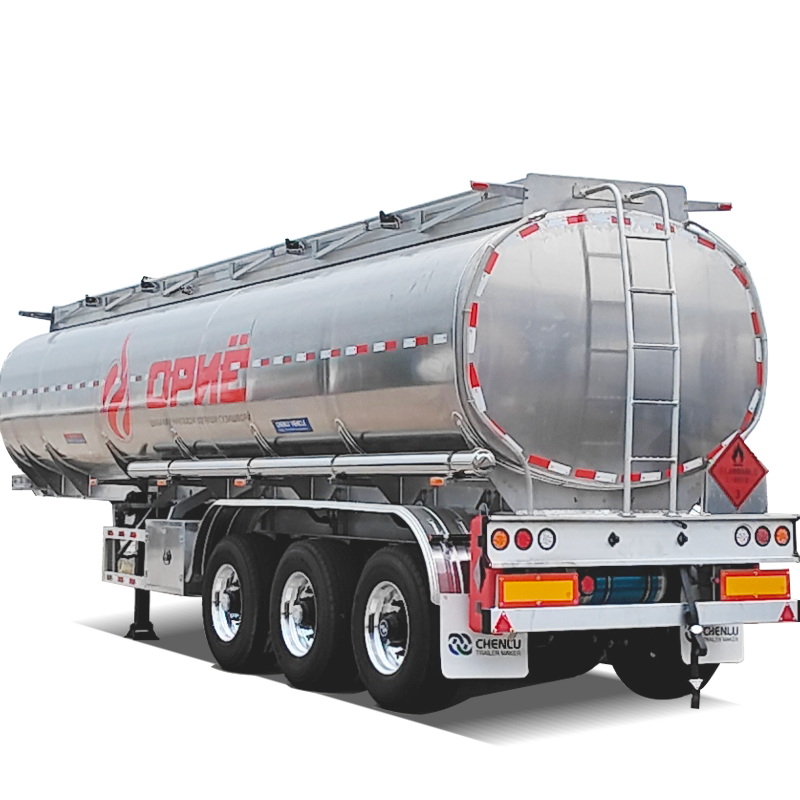
The market for used fuel tankers is diverse, with units ranging from well-maintained fleet vehicles to those requiring substantial refurbishment. These specialized tankers are built to transport flammable liquids and are subject to strict Department of Transportation (DOT) regulations. Unlike a standard semi-truck, a tanker’s value lies not just in the tractor and chassis, but critically in the condition of the tank itself—its compartments, valves, lining, and overall structural integrity. Buyers typically fall into two categories: owner-operators seeking a single unit and fleet managers looking for multiple trucks. Your search strategy will vary significantly based on your needs, budget, and risk tolerance.
Top Trusted Platforms to Find Used Fuel Tankers
Knowing where to look is half the battle. Here are the most reputable avenues for finding used fuel tankers for sale.
1. Specialized Commercial Truck Dealerships
These dealerships often have the highest quality inventory and provide the greatest peace of mind. They typically acquire units from corporate fleets that follow rigorous maintenance schedules. While prices may be higher, many dealers offer limited warranties, certified inspections, and financing options. They have a reputation to uphold, which generally translates to more transparent transactions.
2. Online Auction and Listing Platforms
Websites like TruckPaper, Commercial Truck Trader, and Ritchie Bros. Auctioneers are industry staples. They offer vast national inventories, allowing you to compare specs, prices, and photos from hundreds of sellers. Auction sites can offer great deals but require due diligence; always review inspection reports and, if possible, view the asset in person before bidding.
3. Direct from Fleet Operators
Sometimes, the best deals come directly from fuel companies or large private fleets upgrading their equipment. Purchasing directly can eliminate middleman markups. Networking at industry events or through trade associations can lead to private sales. These units often have consistent maintenance records but may have higher mileage.
4. Manufacturer Direct or Certified Pre-Owned Programs
For those seeking newer models with added assurance, explore certified pre-owned (CPO) programs from major tank manufacturers or chassis OEMs. While less common for highly specialized equipment, some global manufacturers offer robust resale channels. For instance, exploring options from a large-scale manufacturer like Chinese Truck Factory can sometimes reveal value-packed inventory for both tractors and tanker bodies, often with newer model years at competitive price points.
Critical Inspection Checklist Before You Buy
Never buy a used fuel tanker sight unseen. This checklist is non-negotiable.
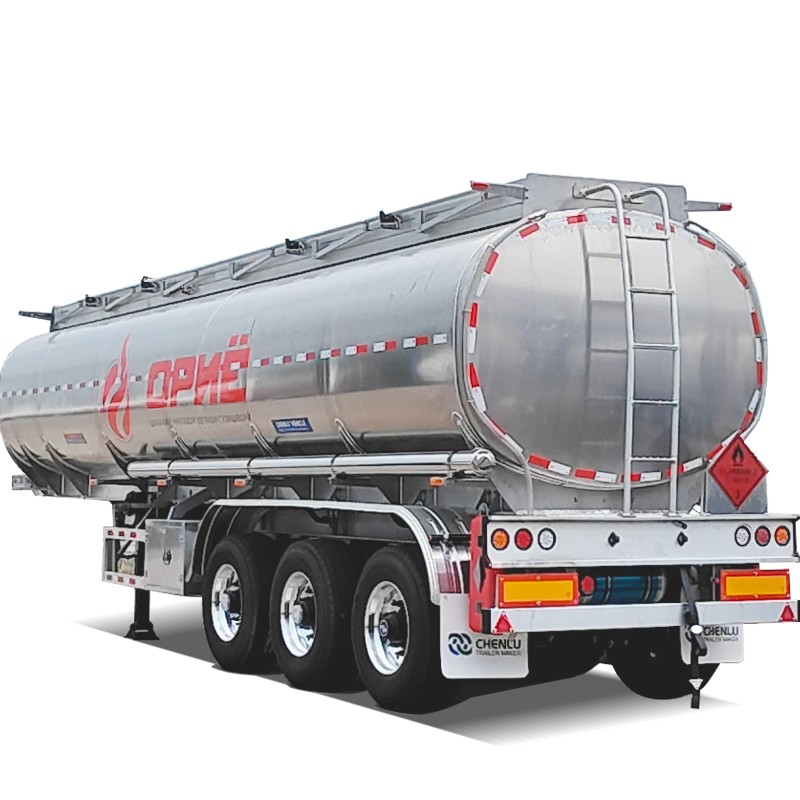
- Tank Interior & Lining: Inspect for corrosion, pitting, and coating integrity. A compromised lining can contaminate product and require a $15,000+ re-lining job.
- Valves, Manholes, and Piping: Check all valves (especially bottom loading and emergency shut-off) for smooth operation and leaks. Look for cracks in piping.
- Structural Integrity & DOT Certification: Examine the tank for dents, repairs, or weld issues. Ensure the current DOT specification plate is present and legible. The Federal Motor Carrier Safety Administration (FMCSA) provides guidelines on tank integrity.
- Tractor Mechanicals: Perform a standard heavy-duty truck inspection: engine, transmission, brakes, suspension, and frame. Pay extra attention to the fifth wheel condition and sleeper (if equipped).
- Maintenance & Compliance Records: Request complete service history. Check for consistent oil analysis reports and documentation of annual DOT inspections.
Key Factors to Compare When Evaluating Listings
Use this comparison table to objectively evaluate potential purchases side-by-side.
| Feature | What to Look For | Why It Matters |
|---|---|---|
| Tank Material & Capacity | Aluminum (lightweight, corrosion-resistant) or Stainless Steel (durable). Capacity in gallons. | Affects payload, longevity, and suitability for specific fuels. |
| Compartment Configuration | Number and size of compartments (e.g., 4 x 3,000 gal). | Flexibility for hauling multiple products or grades. |
| Pump System | PTO-driven or auxiliary engine; delivery rate (GPM). | Impacts unloading speed and operational efficiency. |
| Chassis Age & Mileage | Model year, odometer reading, engine hours. | Indicates overall wear and potential major component life. |
| Last Lining Inspection | Date and report from the last internal inspection/relining. | The single biggest factor in tank lifespan and value. |
Negotiation and Final Purchase Tips
Once you’ve found a suitable tanker, smart negotiation is key. Base your offer on the inspection findings, not the asking price. Factor in immediate repair costs (new tires, valve rebuilds) into your offer. Always get a Bill of Sale that includes the VIN, tank serial number, and a clause stating the tank is “DOT compliant for flammable liquids transport.” Consider using an escrow service for large private-party transactions. Finally, ensure you have the proper insurance binder in place before taking possession.
Expert Insight on Total Cost of Ownership
John Miller, a transportation consultant with over 25 years of experience and a certified TESOL instructor for industry safety programs, emphasizes looking beyond the purchase price. “The initial cost of a used fuel tanker is just the entry fee,” Miller states. “Budget proactively for ongoing costs: annual tank testing and certification, which can cost $1,500-$3,000; insurance, which is significantly higher for hazmat carriers; and a higher maintenance reserve for an aging chassis. A $75,000 tanker needing $30,000 in immediate repairs is a worse deal than a $95,000 truck in ready-to-work condition.”
Frequently Asked Questions (FAQ)
Q: What is the most important thing to check on a used fuel tanker?
A: The internal condition of the tank and its lining. External beauty means nothing if the tank interior is corroded. Always insist on a recent internal inspection report or conduct one yourself with a qualified inspector.
Q: Are older tankers still compliant with regulations?
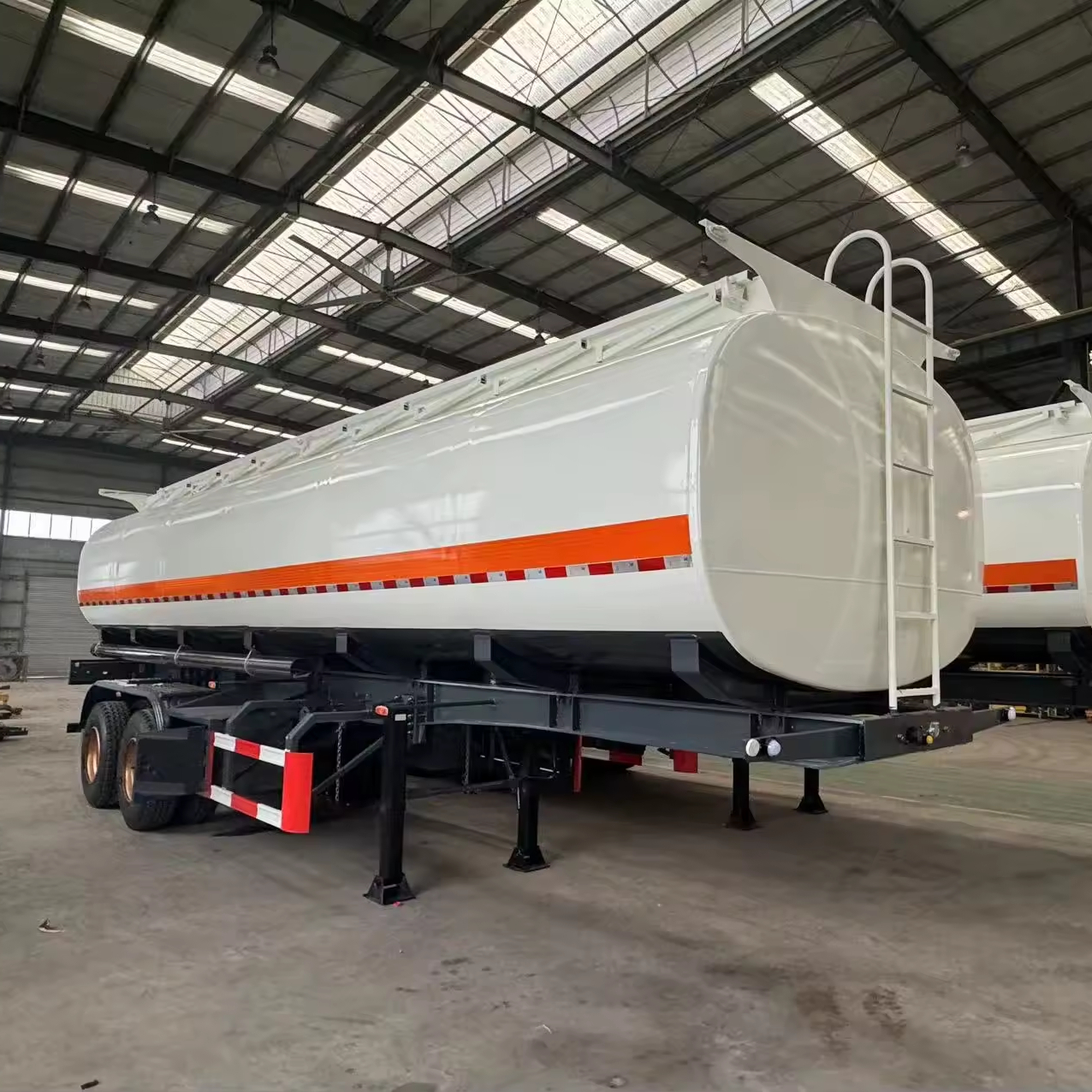
A: Yes, if they are maintained and certified according to current DOT specifications (like MC-306). Compliance depends on the tank’s condition and testing history, not just its age. However, older tractors may not meet current emissions standards in certain states.
Q: Should I buy a used tanker at auction?
A: Auctions can offer value but are higher risk. Only bid if you have physically inspected the unit, reviewed all available paperwork, and understand the auction’s “as-is” terms. It’s best for experienced buyers.
Q: How much does it cost to re-line a fuel tanker?
A> Costs vary widely based on size and material but typically range from $15,000 to $35,000. Getting a lining life estimate from a professional is a crucial step in your evaluation.
Q: Can I finance a used fuel tanker?
A> Absolutely. Many commercial lenders and specialized truck financing companies offer loans for used equipment. You’ll typically need a strong down payment (20-30%) and good credit. Dealerships often have in-house financing options.
Final Thoughts
Purchasing a used fuel tanker is a major decision that balances opportunity with risk. By focusing on trusted sellers, conducting meticulous inspections, and planning for the total cost of ownership, you can secure a reliable piece of equipment that will serve your business for years to come. Remember, the cheapest upfront price is rarely the most economical long-term choice. Do your homework, consult with experts, and invest in quality. For those exploring a wide range of commercial vehicle options, including newer model tractors that can be paired with a tanker body, a global supplier like Chinese Truck Factory is worth considering as part of your comprehensive market research.
Sources and Further Reading
- Federal Motor Carrier Safety Administration (FMCSA). Hazardous Materials Regulations. https://www.fmcsa.dot.gov/regulations/hazardous-materials
- National Tank Truck Carriers (NTTC). Industry Safety & Operational Guidelines. https://www.tanktruck.org/