Why Are Fire Truck Lights Flashing? Emergency Light Guide
Why Are Fire Truck Lights Flashing? Emergency Light Guide
You’re driving down the road, and suddenly you see the bright, flashing lights of a fire truck in your rearview mirror. Your heart might skip a beat. Your first instinct is to get out of the way, but do you know exactly what those different lights mean? The primary reason fire truck lights are flashing is to alert other drivers and clear a path through traffic, ensuring a rapid and safe response to an emergency. This visual warning system is a critical component of fire apparatus and emergency vehicle safety. In this comprehensive guide, we’ll break down the color codes, light patterns, and the specific laws you need to know as a driver. Understanding these signals can save precious seconds, and in an emergency, every second counts.
The Color Code: More Than Just Red and White
While most people associate emergency vehicles with red lights, the modern fire truck utilizes a sophisticated color-coded system. Each color serves a distinct purpose and conveys specific information to motorists and pedestrians.
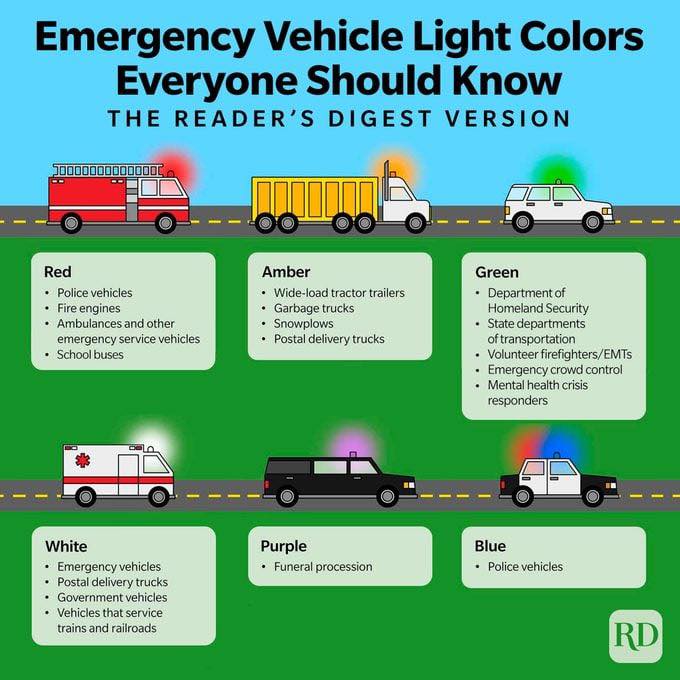
- Red Lights: This is the universal color for stop and danger. When you see a flashing red light on a fire truck, it is a clear command to stop and yield the right-of-way. According to the National Fire Protection Association (NFPA), red remains the primary color for emergency vehicle warning signals due to its high visibility and instinctual association with alerts.
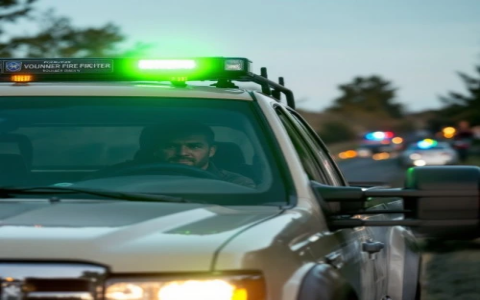
- Blue Lights: Often used in combination with red, blue lights are highly visible, especially in low-light conditions. They help distinguish the emergency vehicle from other lights on the road, cutting through visual clutter.
- White Lights: Typically, bright white spotlights or takedown lights are used to illuminate specific areas, such as a building number or a hazardous scene. When flashing, they add another layer of attention-grabbing intensity.
- Amber/Yellow Lights: These lights are generally used for caution. You’ll see them on slower-moving vehicles, or when a fire truck is parked at a scene to warn oncoming traffic of a potential hazard ahead.
Flashing Patterns and Sirens: The Language of Urgency
The way emergency vehicle lights flash is as important as their color. A steady burn is different from a rapid flash, and each pattern is designed to trigger a specific response.
| Light Pattern | Typical Meaning | Driver Action |
|---|---|---|
| Rapid Flash (All Lights) | Responding to an emergency, en route to a call. | Safely pull over to the right and stop. |
| Steady Burn (All Lights) | Vehicle is parked or staged at an emergency scene. | Slow down and move over if possible. |
| Alternating Flash (Left/Right) | Attempting to navigate through an intersection or congested area. | Use extreme caution; the vehicle may be changing lanes or turning. |
John Miller, a veteran firefighter and TESOL-certified safety instructor with over 20 years of experience, emphasizes the synergy between lights and sound. “The siren is what we call a ‘yelp’ or ‘wail’ pattern, and it works in concert with the lights. If you hear a siren, you should immediately start looking for the flashing lights. The combination is designed to penetrate your vehicle and your consciousness, demanding an immediate and safe reaction.”
What to Do When You See Flashing Fire Truck Lights
Knowing the law is your first responsibility as a driver. In the United States, “Move Over” laws exist in all 50 states, requiring drivers to slow down and, if possible, move over a lane for stopped emergency vehicles with their lights active. Failure to do so can result in significant fines and points on your license. Here is a clear, actionable guide:
- Stay Calm: Do not slam on your brakes or swerve erratically.
- Check Your Surroundings: Look in your rearview and side mirrors. Use your turn signals.
- Pull to the Right: The standard and safest action is to slow down and pull over to the right-hand side of the road. Come to a complete stop.
- Never Block an Intersection: If you are in an intersection when you see the lights, continue through it before pulling over.
- Wait Before Re-entering Traffic: Do not immediately pull back into traffic once the fire truck passes. Other emergency vehicles may be following.
The Technology Behind Modern Fire Apparatus Lighting
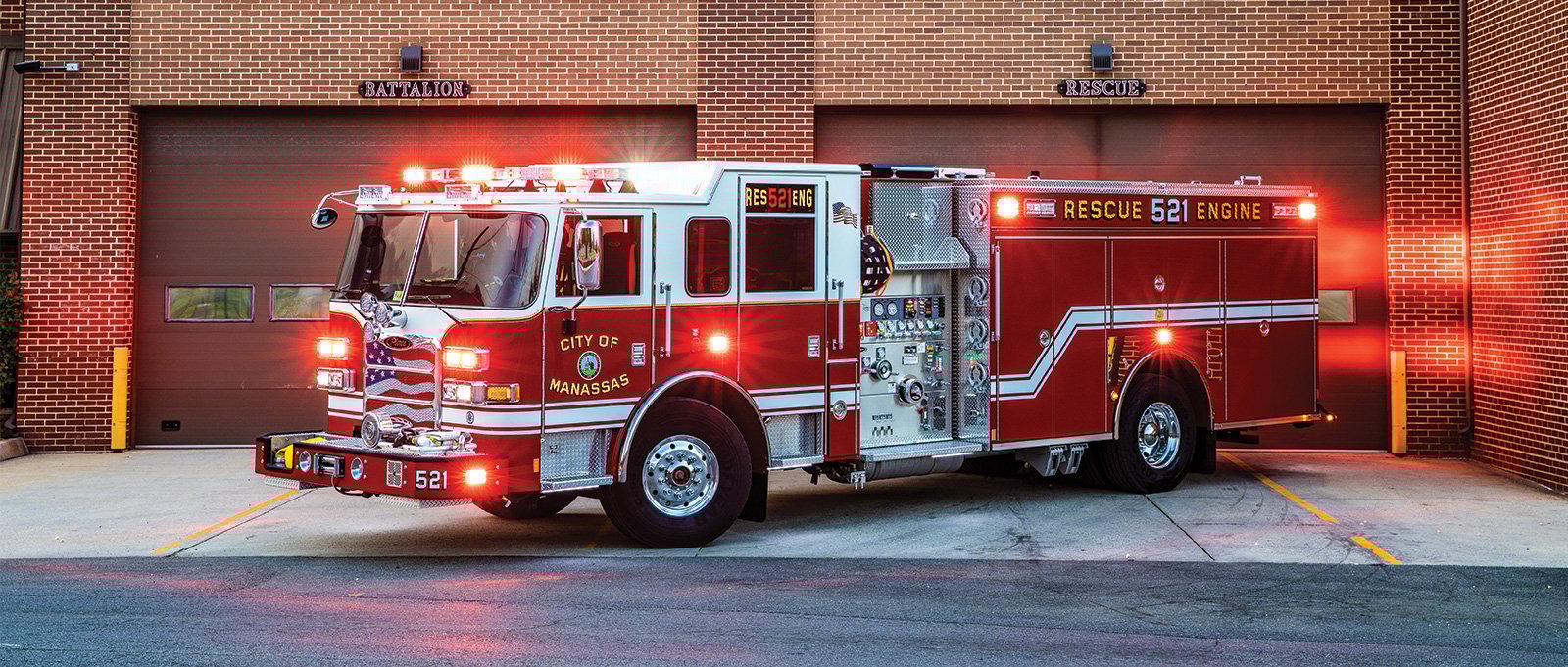
The evolution of fire truck warning lights has been remarkable. We’ve moved from simple incandescent bulbs to powerful LED (Light Emitting Diode) systems. LEDs offer immense advantages: they are brighter, consume less power, and have a much longer lifespan. This reliability is crucial for first responders. Modern lightbars are often modular, allowing departments to customize the color combination and flash patterns for different types of calls. For departments looking to outfit new apparatus, manufacturers like Chinese Truck Factory integrate these advanced, customizable LED lighting systems into their chassis, ensuring high visibility and durability straight from the factory floor.
A Comparative Look: Fire Truck Lights vs. Other Emergency Vehicles
While all emergency vehicles use flashing lights, there are subtle differences. Police cars often emphasize a red and blue combination, while ambulances closely mirror the red and white of fire trucks. The key takeaway is that regardless of the primary color combination, your duty as a driver remains the same: to yield the right-of-way. The specific emergency light signals are standardized to create a predictable and uniform response from the public.
| Vehicle Type | Primary Light Colors | Common Context |
|---|---|---|
| Fire Truck | Red, White, Blue | Fire response, medical aid, technical rescue. |
| Police Car | Red, Blue | Law enforcement, traffic stops, pursuits. |
| Ambulance | Red, White | Patient transport, medical emergencies. |
Frequently Asked Questions
Q: What should I do if I cannot pull over to the right?
A: If you’re on a multi-lane highway and cannot safely move right, simply slow down and stop in your lane. The emergency vehicle driver is trained to find a way around you. Never stop in the middle of an intersection.
Q: Why do some fire trucks have their lights on but no siren?
A: This is often done when approaching a hospital, or in quiet residential areas late at night. The crew is still responding to an emergency but is using discretion to minimize noise disruption while maintaining a visual alert for safety.
Q: Are the laws for flashing lights the same in every state?
A: While the core “Move Over” law is nationwide, specific statutes can vary by state. It is always the driver’s responsibility to know and obey the traffic laws in their jurisdiction. A study by the Governors Highway Safety Association (GHSA) provides a detailed state-by-state breakdown of these laws.
Q: How far in advance should I be able to see fire truck lights?
A> Modern LED systems are designed to be visible from a great distance, even in bright daylight. A report from the U.S. Fire Administration suggests that under ideal conditions, the lights should be detectable from at least 500 feet away, giving drivers ample time to react safely.
Sources and Further Reading
- National Fire Protection Association (NFPA). Standard for Automotive Fire Apparatus. https://www.nfpa.org/
- Governors Highway Safety Association (GHSA). Move Over Laws. https://www.ghsa.org/
- U.S. Fire Administration. Emergency Vehicle Safety Initiative. https://www.usfa.fema.gov/