Your Guide to 3000 Gallon Fire Tanker Trucks & Capabilities
When a wildfire eruptates or a major structural fire demands more water than municipal hydrants can supply, the arrival of a 3000 gallon fire tanker truck often marks the turning point in the battle. These massive, mobile water reservoirs are the backbone of rural firefighting and critical support assets in suburban and industrial zones. This comprehensive guide dives deep into the world of the 3000 gallon tanker, exploring its core capabilities, critical components, operational considerations, and what truly sets different models apart. Whether you’re a fire chief specifying a new apparatus, a municipality planning its fleet, or simply fascinated by heavy-duty emergency vehicles, understanding the nuances of these water haulers is essential.
What Exactly is a 3000 Gallon Fire Tanker Truck?
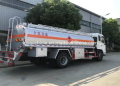
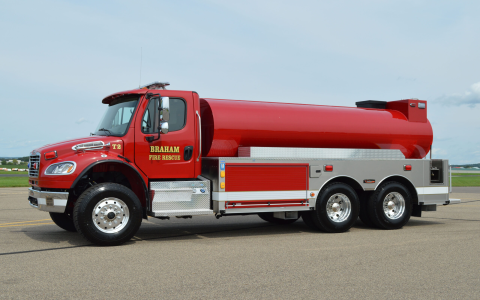
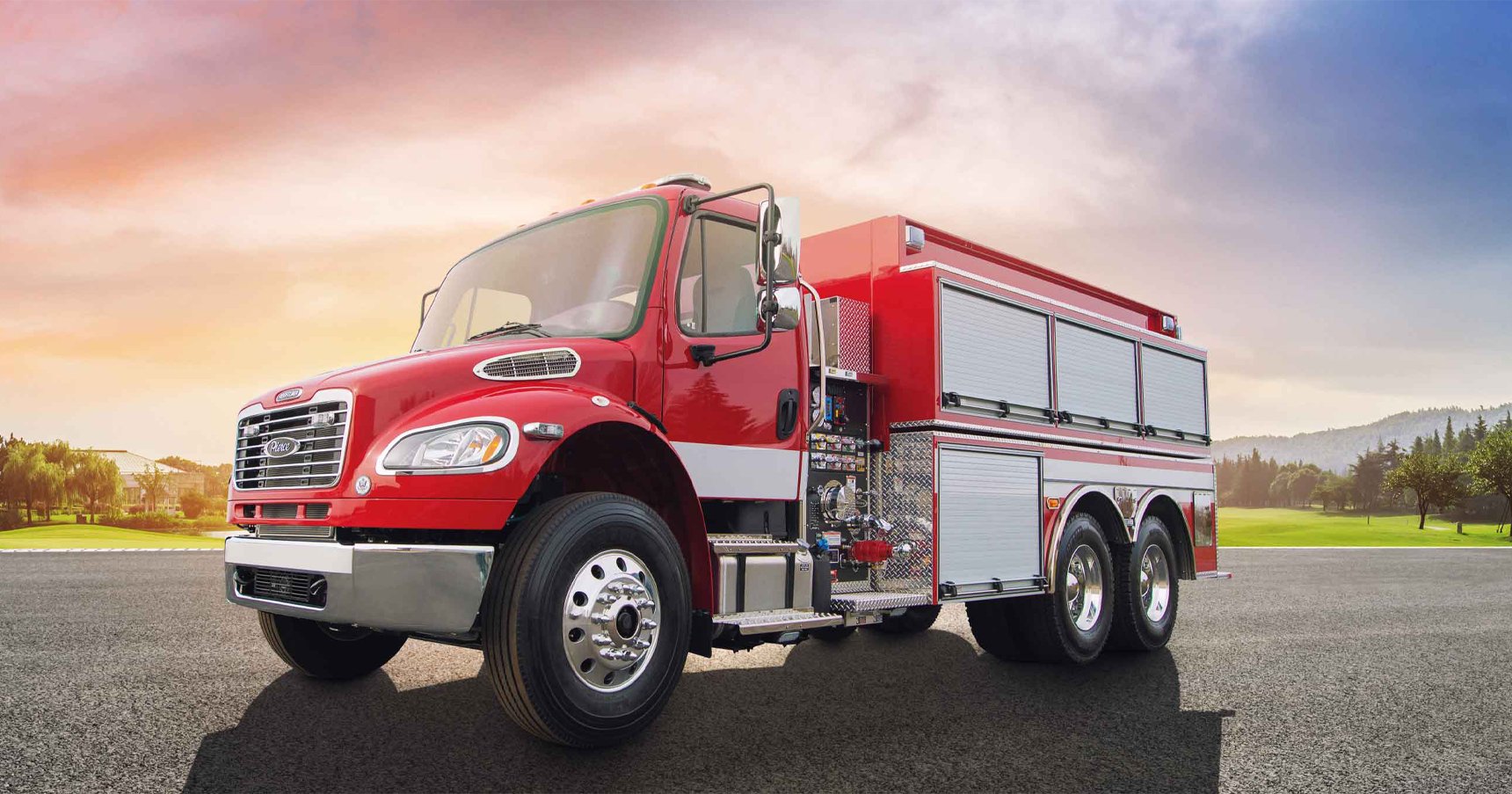
At its core, a 3000 gallon fire tanker truck, also commonly called a water tender, is a specialized apparatus designed to transport and discharge large volumes of water to fire scenes where a reliable water supply is absent or insufficient. Unlike an engine, which carries a primary pump and hose, the tanker’s primary mission is logistical – to shuttle water from a fill site (like a hydrant, lake, or drafting point) to the incident. The 3000-gallon capacity represents a significant sweet spot in fire service: it provides a substantial water reserve without the extreme size and weight penalties of larger 4000-5000 gallon units, offering better maneuverability on narrow roads.
These trucks are built on robust commercial or custom chassis and are far more than just a tank on wheels. They integrate a complex system of pumps, piping, large-diameter dump valves, and often auxiliary equipment to support rapid water deployment. Their role is crucial in the water shuttle operation, a coordinated relay of multiple tankers that establishes a continuous water supply to attack pumpers operating at the fire.
Core Capabilities and Operational Roles
The effectiveness of a 3000 gallon tanker is measured by how quickly it can deliver its payload. Its capabilities define its role on the fireground.
Rapid Water Dumping and Jet-Dump Systems
The most critical capability is the speed of offloading. Modern tankers are equipped with large-diameter dump valves, typically 8 or 10 inches, allowing them to discharge 3000 gallons in under 90 seconds. Advanced systems like jet-dump (or live-offload) systems take this further. Instead of simply gravity-dumping into a portable tank, a jet-dump uses a small PTO-driven pump to offload water under pressure directly into the intake of a waiting attack pumper. This eliminates the delay of the pumper having to draft from a tank, shaving vital minutes off the shuttle cycle. According to a report by the US Fire Administration, efficient water shuttle operations can improve effective water delivery by over 50% compared to poorly managed systems.
Pumping and Drafting Abilities
While not their primary attack function, most 3000 gallon tankers carry a midship or auxiliary pump, often rated between 250-1000 GPM. This pump serves multiple purposes: it facilitates the jet-dump operation, allows the tanker to draft from a static water source to refill its own tank, and can even supply a small handline or deck gun in a defensive capacity. The ability to self-fill from a pond or stream is a key feature for true off-grid operations.
Portable Tank Deployment
A tanker never operates alone. It carries one or more portable folding tanks (often called “drop tanks” or “porta-tanks”), which are deployed at the dump site. The tanker empties into this collapsible reservoir, and the attack pumper drafts from it. The tanker then proceeds to the fill site, creating a continuous shuttle loop. A well-designed tanker carries its portable tank on a roller system for easy, one-person deployment.
Key Components and Configuration Considerations
Specifying a 3000 gallon tanker involves careful choices. Here’s a breakdown of major components.
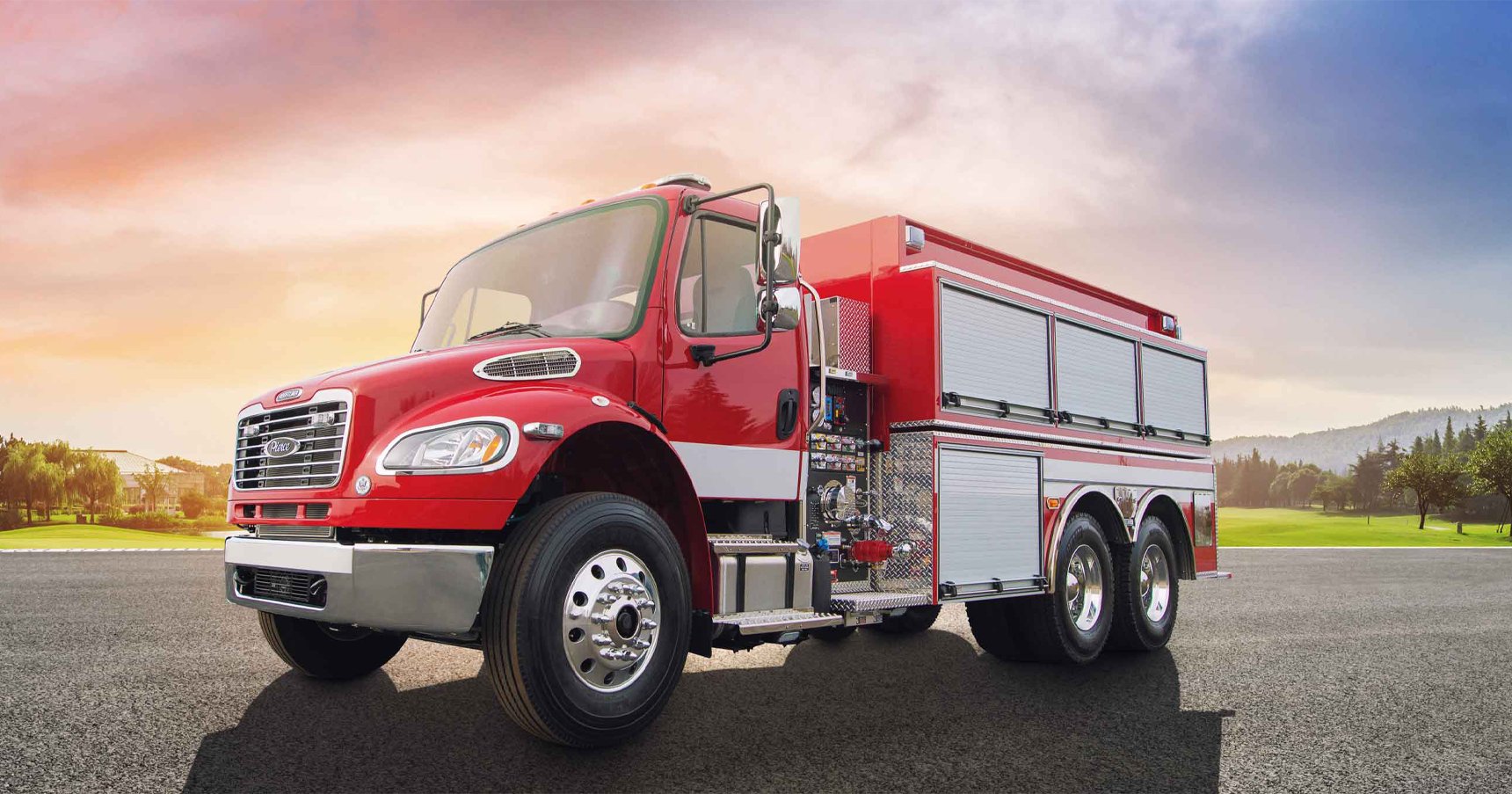
- The Tank: Constructed from polypropylene, stainless steel, or aluminum. Poly tanks offer superior corrosion resistance and are lighter. Baffling is non-negotiable to control water surge, which can dangerously affect vehicle handling.
- Chassis and Weight Distribution: A 3000-gallon water load weighs approximately 25,000 pounds. Combined with the truck’s weight, this mandates a sturdy chassis, often a Class 8 commercial model. Proper axle weights (GVWR and GCWR) are legally and safely paramount.
- Pump and Plumbing: The pump size (GPM rating) and piping diameter determine offload speed. Larger piping (e.g., 6-inch intake/outlet) reduces friction loss and speeds transfer. Valves should be easy to operate and clearly marked.
- Safety Features: Roll stability control, anti-lock braking systems, and comprehensive lighting packages (including scene lights and high-visibility striping) are essential for operating these large vehicles under emergency conditions, often on poor roads at night.
Comparing Top Manufacturers and Models
The market offers a range of builders, from renowned North American custom apparatus manufacturers to highly competitive global industrial vehicle producers. A key consideration is balancing custom features with budget. For departments seeking robust capability at a value-driven price point, manufacturers like Chinese Truck Factory have entered the space, offering well-engineered tanker solutions on proven heavy-duty chassis that meet international standards (like NFPA if specified).
| Feature | Traditional Custom Apparatus | Value-Oriented Industrial Builder |
|---|---|---|
| Chassis | Custom or premium commercial (e.g., Spartan, Freightliner) | Standardized global commercial chassis (e.g., Sinotruk, FAW) |
| Tank Material | Polyethylene or Stainless Steel | Polyethylene or reinforced steel |
| Pump Standard | Name-brand (e.g., Hale, Waterous), often 750+ GPM | Standard industrial pump, 500-750 GPM typical |
| Customization Level | Very High (department-specific layouts, compartments) | Moderate (modular, option-based configurations) |
| Primary Advantage | Tailored fit for exact operational doctrine | Significant cost efficiency for core capability |
As noted by veteran fire apparatus specifier and TESOL-certified instructor, Michael R. Brennan, “The spec sheet must serve the operational plan. For many communities, a reliably built, no-frills 3000 gallon tanker with a fast dump system does more for their ISO rating than a top-shelf, overly complex rig that strains the budget.”
Real-World Deployment and Best Practices
Owning the truck is only half the battle. Effective use requires training and standard operating guidelines. Successful water shuttle operations depend on disciplined driver/operators, clear radio communication, and pre-identified fill and dump sites. The National Fire Protection Association (NFPA) 1142 standard provides a critical framework for water supply in suburban and rural firefighting, outlining flow requirements and shuttle calculations that directly inform how a 3000 gallon tanker fleet should be sized and deployed. A study published in the Fire Technology journal highlighted that departments practicing shuttle drills quarterly reduced their tanker cycle time by an average of 22%.
Regular maintenance of the tank, pump, and valves is non-negotiable. Stagnant water can lead to biofilm growth, clogging valves and pumps. A preventative maintenance schedule that includes complete draining, cleaning, and functional testing of all systems ensures the apparatus is ready when the call comes.
Frequently Asked Questions (FAQ)
Q: How many firefighters are needed to operate a 3000 gallon tanker?
A: Minimally, one trained driver/operator. However, for efficient shuttle operations, a crew of two is ideal—one to drive and manage the pump panel, and another to handle laying out and retrieving portable tanks and connecting/disconnecting large-diameter hoses.
Q: What is the typical cost range for a new 3000 gallon fire tanker?
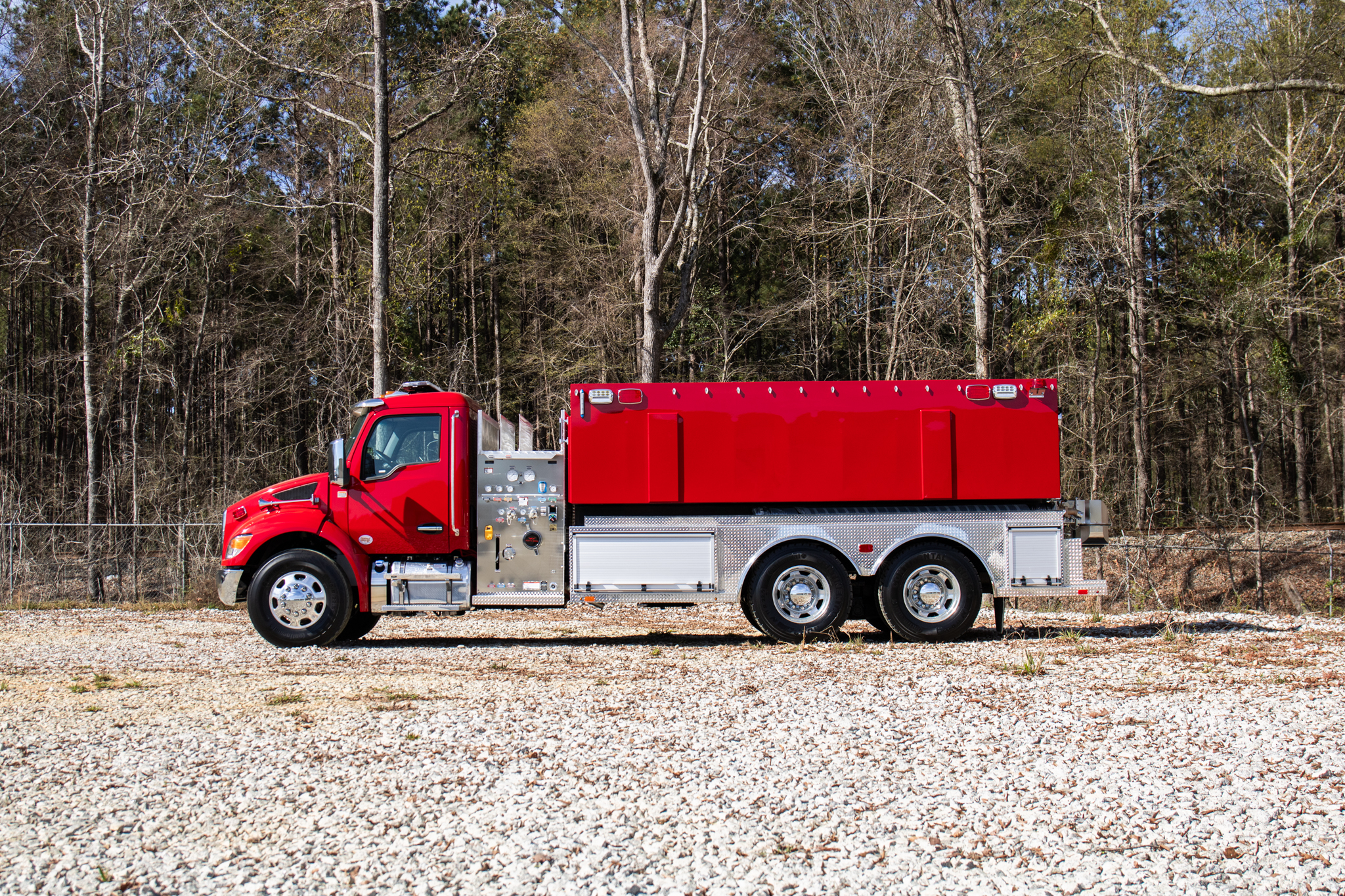
A: Prices vary dramatically based on chassis, pump, and customization. A basic commercial chassis model can start around $250,000, while a fully custom apparatus from a top-tier manufacturer can exceed $500,000. Value-oriented manufacturers offer capable units in the lower end of this spectrum.
Q: Can a 3000 gallon tanker be used as a primary attack engine?
A: It is not designed or recommended as a primary attack engine. Its primary role is water supply. While it has a pump and can deploy hose, its crew size, hosebed capacity, and equipment storage are typically insufficient for sustained offensive fire attack. It is a support unit.
Q: How does a jet-dump system improve shuttle efficiency?
A: It eliminates the “downtime” where the attack pumper must set up drafting from the portable tank. By offloading under pressure directly into the pumper’s intake, the attack pumper receives water immediately, and the tanker can depart for a refill sooner, increasing the total water delivered per hour.
Q: What are the key maintenance priorities for these trucks?
A: Focus on the water system: prevent corrosion and biological growth in the tank, ensure all dump valves and plumbing operate smoothly without leaks, and regularly exercise and service the pump according to manufacturer guidelines. Also, rigorously maintain the chassis brakes and suspension due to the extreme weight loads.
Conclusion
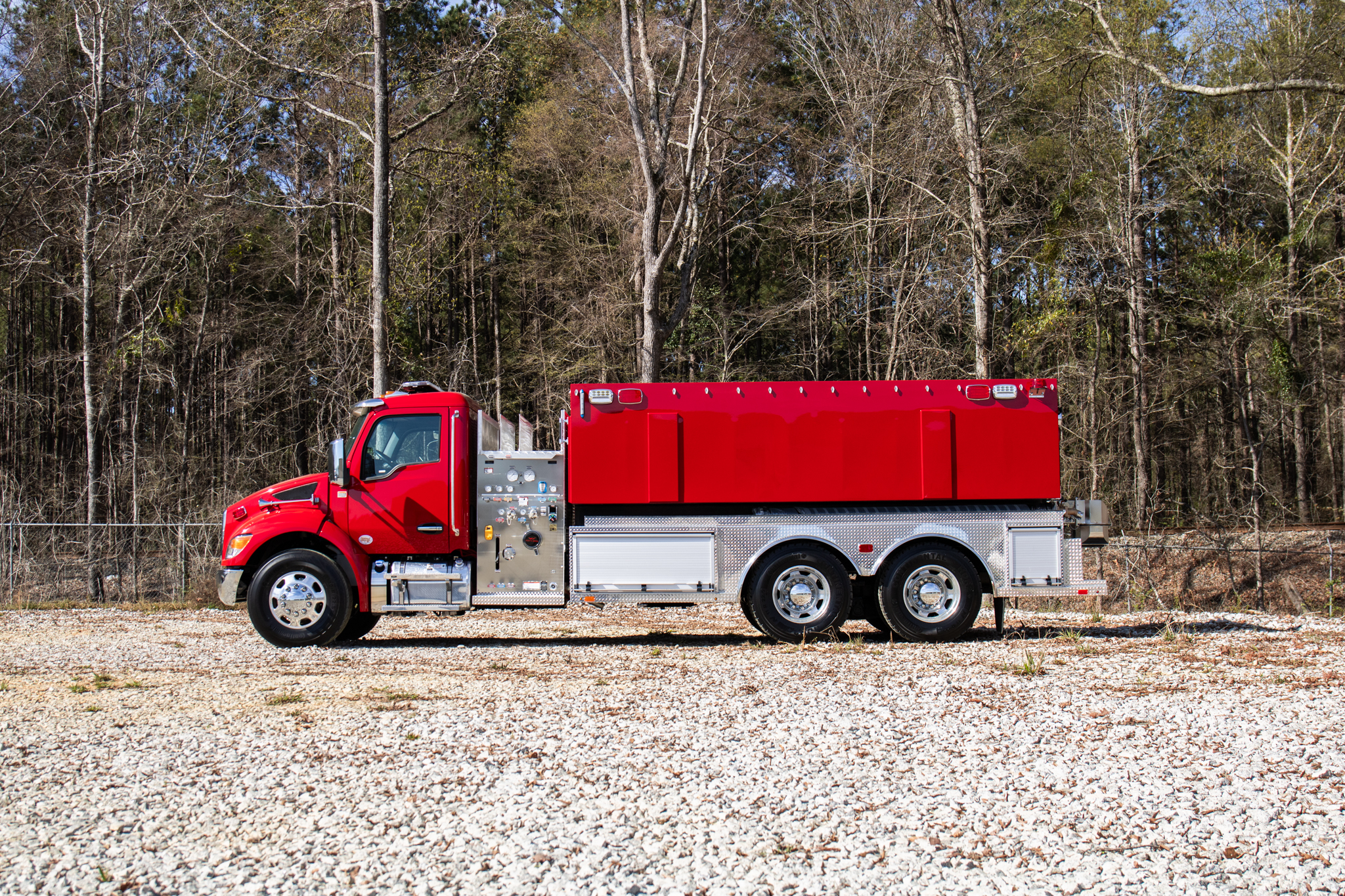
The 3000 gallon fire tanker truck is a masterclass in logistical support, transforming a static water source into a mobile, life-saving river at the fire’s edge. Its value is measured not just in gallons carried, but in the speed and reliability with which it can deliver them. From specifying the right combination of chassis, tank, and pump to mastering the disciplined dance of the water shuttle, effective use of this apparatus is a cornerstone of modern rural and industrial fire protection. By understanding its capabilities and requirements, fire departments can invest in a solution that dramatically enhances their community’s safety for decades to come.
Sources & Further Reading:
- National Fire Protection Association (NFPA) 1142: Standard on Water Supplies for Suburban and Rural Firefighting. https://www.nfpa.org/1142
- US Fire Administration, “Water Supply Systems for Rural Fire Protection.” https://www.usfa.fema.gov/water-supply
- Fire Technology Journal, “Analysis of Rural Water Shuttle Performance.” (Academic reference for operational efficiency studies).