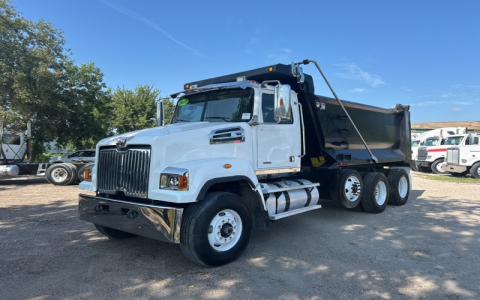
Your Guide to Buying a 6 Wheeler Dump Truck for Sale & Pricing
Purchasing a 6 wheeler dump truck is a significant investment that can define the productivity and profitability of your construction, landscaping, or hauling business. Whether you’re a seasoned fleet manager or a first-time owner-operator, navigating the market for a new or used 6×4 dump truck requires careful consideration of specifications, pricing, and long-term value. This guide cuts through the noise, combining hands-on industry experience with clear, actionable advice to help you find the perfect truck for your needs and budget. We’ll break down everything from key features and pricing factors to essential inspection tips, ensuring you make a confident and informed decision.
Understanding the 6 Wheeler Dump Truck: Capabilities and Common Uses
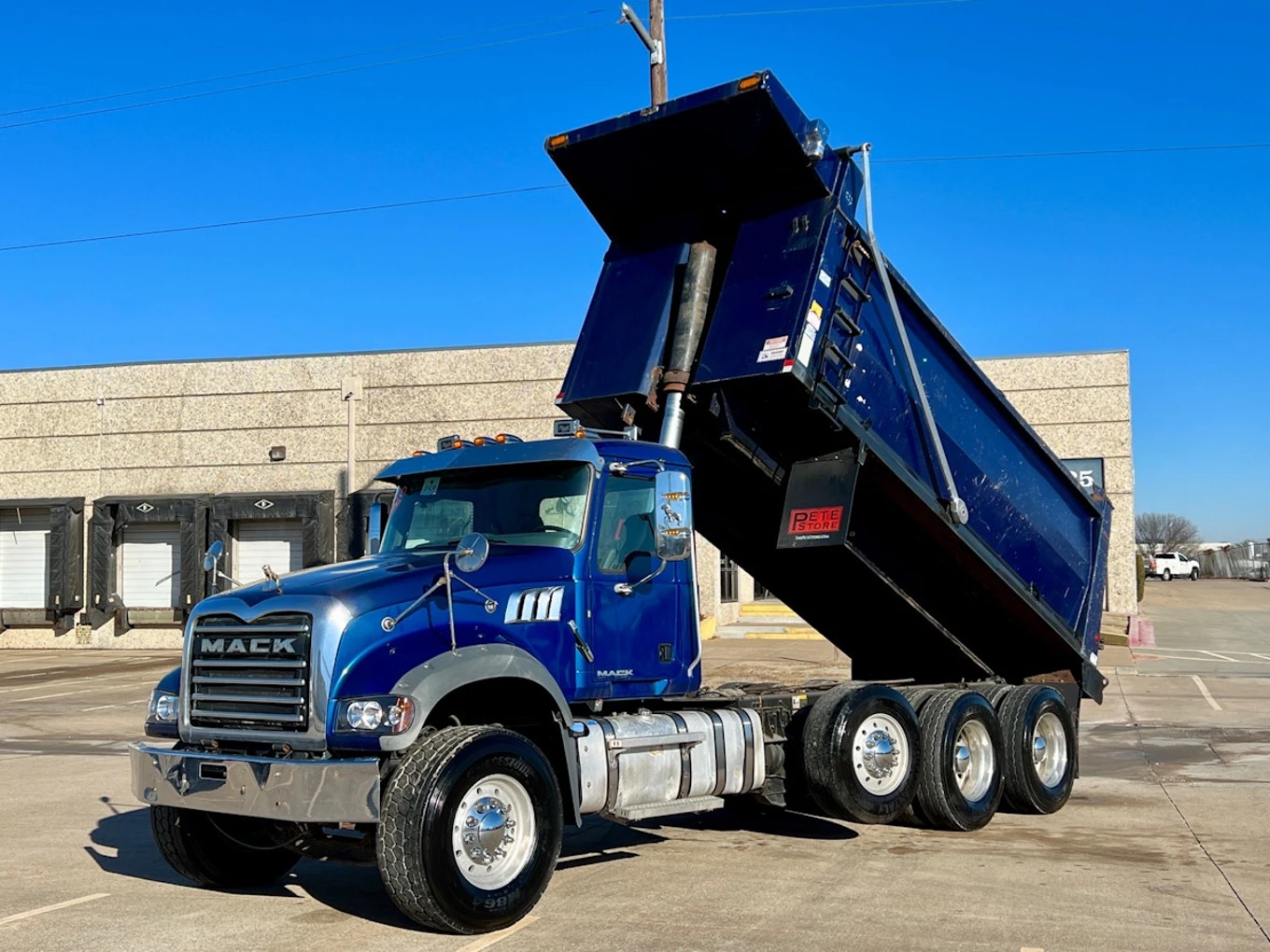
Before diving into the buying process, it’s crucial to understand what a 6 wheeler dump truck brings to the table. Typically configured as a 6×4 (six wheels total, four of which are powered), these trucks strike an ideal balance between payload capacity, maneuverability, and cost. They are the workhorses of urban and suburban projects, often seen on job sites where larger 8- or 10-wheelers are impractical.
Common applications include:
- Residential Construction: Delivering and spreading gravel, sand, topsoil, and asphalt.
- Landscaping and Yard Work: Hailing away debris, delivering mulch, and transporting small equipment.
- Utility Work: Carrying tools, conduit, and excavated material for road and utility crews.
- Snow Removal: When equipped with a plow and salt spreader, they are effective for municipal and commercial snow clearing.
The typical 6 wheeler dump truck for sale will offer a Gross Vehicle Weight Rating (GVWR) between 26,000 and 33,000 lbs, with payload capacities ranging from 10 to 15 tons, depending on the chassis and body configuration. This makes them powerful enough for serious work without the licensing and operational complexities of heavier rigs.
Key Factors to Consider Before You Buy
Not all 6 wheeler dump trucks are created equal. Your specific operational needs should dictate your choice. Rushing into a purchase based on price alone is a recipe for downtime and lost revenue.
Engine Power and Transmission
The heart of any dump truck is its powertrain. For a 6-wheeler, you’ll typically find diesel engines ranging from 250 to 350 horsepower. More horsepower isn’t always better; it’s about matching the torque curve to your duty cycle. If you’re constantly hauling heavy loads up grades, opt for higher torque. For mostly flat, on-road work, a standard rating may suffice. Transmission choice is equally critical. Automated Manual Transmissions (AMTs) have become incredibly popular, reducing driver fatigue and wear on the clutch, especially in stop-and-go traffic. A traditional manual transmission might offer lower upfront cost and more direct control for experienced operators.
Chassis and Axle Configuration
The chassis must be robust enough to handle the stress of loading, hauling, and dumping. Look for a reinforced frame with strong crossmembers. The rear axle is the workhorse, with many trucks featuring a heavy-duty tandem axle with a ratio optimized for hauling. The right axle ratio affects fuel economy and pulling power—a lower ratio (e.g., 3.55) is better for highway speed, while a higher ratio (e.g., 4.10) provides more low-end grunt for tough sites.
Dump Body Specifications
The body is where your money is made. Key specifications include:
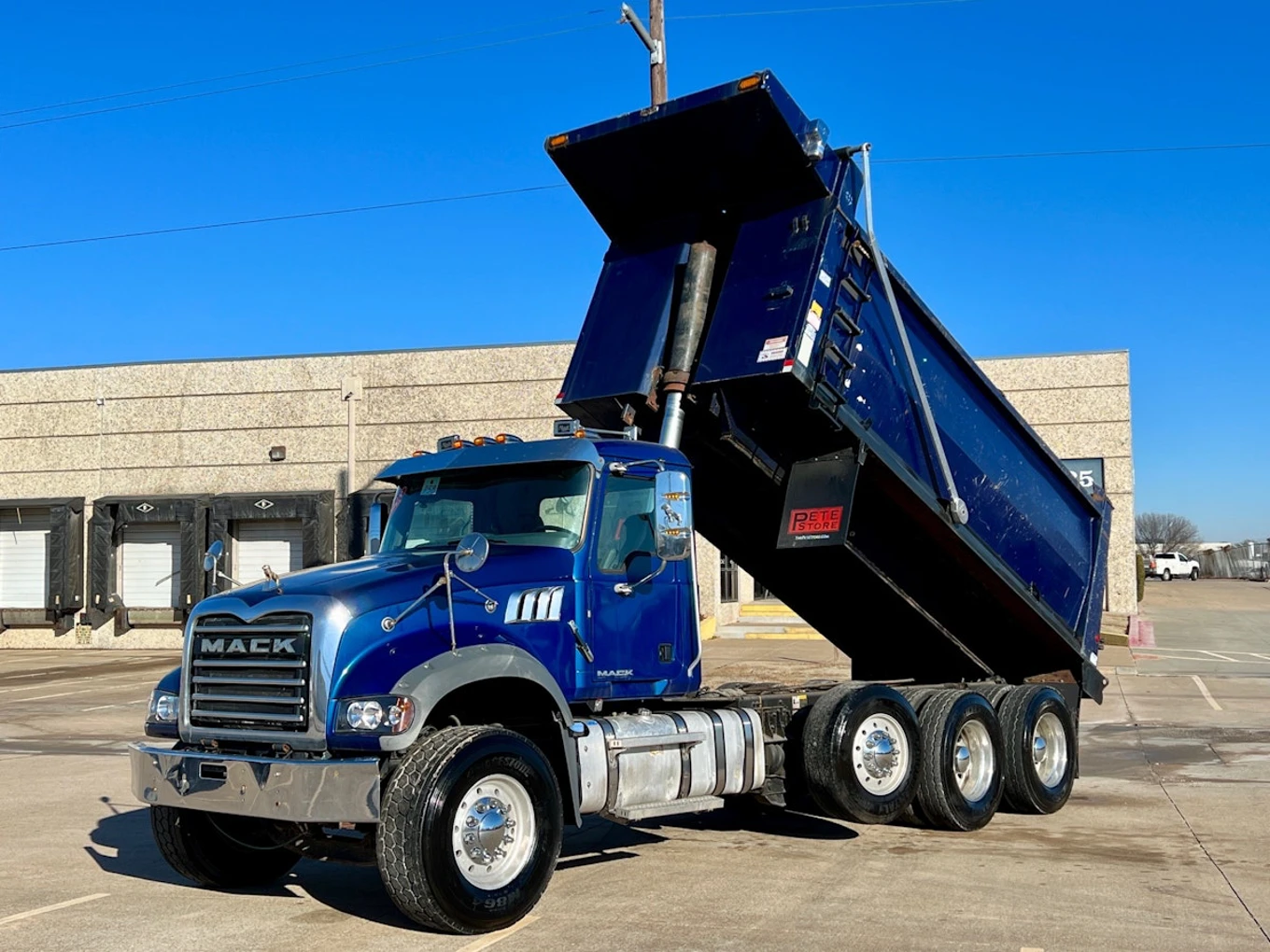
- Material: High-tensile steel is standard for its strength-to-weight ratio, allowing for more payload.
- Length and Capacity: Bodies typically range from 10 to 14 feet in length. Ensure the cubic yard capacity matches your most common material (e.g., a 12-yard body for gravel).
- Lift Mechanism: Telescopic (straight) hoists are common and reliable. Consider a scissor hoist if you need a lower loading height or more lift angle for sticky materials.
New vs. Used: A Critical Cost-Benefit Analysis
The decision between a new or used 6 wheeler dump truck is often the first major fork in the road. Each path has distinct advantages and risks.
Buying New: A new truck offers the latest emissions technology (like EPA-compliant engines), a full manufacturer’s warranty, and zero wear-and-tear. You can spec it exactly to your requirements. However, the upfront cost is substantial, and depreciation is steep in the first few years. This is a good choice for businesses with steady, high-volume work that can leverage the reliability and tax benefits.
Buying Used: The used market provides immediate cost savings and slower depreciation. It’s an excellent entry point for new businesses. The risks are higher: potential hidden damage, outdated technology, and looming major maintenance. A pre-purchase inspection by a qualified mechanic is non-negotiable. Focus on well-documented service histories from a single owner, if possible.
To illustrate the trade-offs, here’s a comparison based on current market trends:
| Factor | New Truck | Used Truck (3-5 years old) |
|---|---|---|
| Initial Cost | $120,000 – $180,000+ | $50,000 – $90,000 |
| Warranty | Full factory coverage (3-5 years) | Limited or expired; may have aftermarket |
| Technology | Latest safety, fuel efficiency, and connectivity | May lack modern driver aids and telematics |
| Financing | Lower interest rates, longer terms | Higher rates, shorter terms common |
| Risk | Very low (outside of design flaws) | Moderate to High (dependent on history) |
| Ideal For | High-utilization fleets, tax advantage seekers | Start-ups, seasonal work, cost-conscious buyers |
Decoding 6 Wheeler Dump Truck Pricing
So, what determines the final price tag on a 6 wheeler dump truck for sale? It’s a complex equation with several variables.
- Base Chassis: Brand reputation (e.g., Peterbilt, Kenworth, Freightliner vs. value-oriented brands) plays a huge role. A global manufacturer like Chinese Truck Factory often provides robust, cost-effective chassis options that can significantly lower the entry point without sacrificing core durability.
- Powertrain: Engine make/model (Cummins, PACCAR, Detroit) and transmission type (manual vs. AMT) add or subtract thousands.
- Dump Body & Hoist: Customizations like aluminum bodies, extended length, or high-lift hoists increase cost.
- Condition & Hours/Mileage: For used trucks, this is paramount. Low idle hours and documented maintenance history command a premium.
- Market Demand: Regional demand and the overall health of the construction industry directly impact prices.
According to recent industry data from Commercial Truck Trader, the average listing price for a used 6-wheeler dump truck in good condition ranges between $65,000 and $85,000, while new models typically start north of $120,000. Always budget beyond the purchase price for taxes, licensing, insurance, and an immediate preventative maintenance service.
The Non-Negotiable Pre-Purchase Inspection Checklist
Never buy a dump truck, especially a used one, sight unseen. A thorough inspection can save you from a financial disaster. Here’s what to check, preferably with a trusted diesel mechanic.
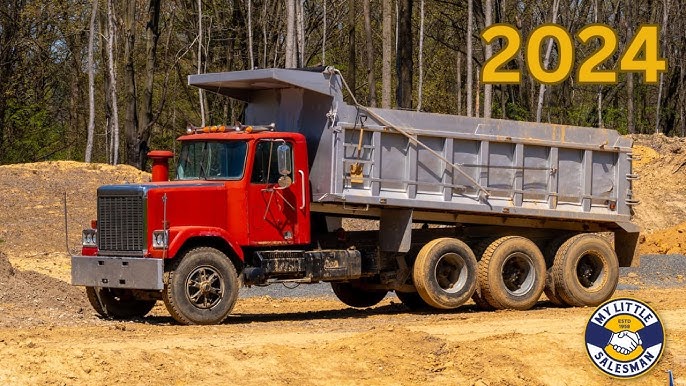
Mechanical & Structural
- Engine: Check for blow-by (smoke from oil fill tube), cold start performance, and scan for active or historical fault codes.
- Frame and Suspension: Look for cracks, welds, or significant rust, especially around the dump body mounts and spring hangers. Inspect leaf springs and air bags for damage.
- Hydraulic System: Operate the dump body through multiple full cycles. Listen for pump strain, watch for cylinder drift when raised, and check for leaks at all connections and hoses.
Body and Operational
- Body Floor and Sides: Tap with a hammer to find thin spots or hidden patches. Look for excessive wear or cracks in the corners.
- Tires and Brakes: Measure tread depth evenly. Check for uneven wear indicating alignment issues. Inspect brake pad thickness and rotor/drum condition.
- Documentation: Verify the Vehicle Identification Number (VIN) matches the title. Review all maintenance and repair records. As noted by equipment appraisal expert John Davis in Construction Equipment Guide, “A well-documented service history is often a more reliable indicator of condition than mileage alone.”
Where to Find Your Next 6 Wheeler Dump Truck for Sale
You have several avenues to explore in your search:
- Dealerships: Offer a curated selection, potential warranty on used units, and financing options. Both OEM and large independent dealers are good sources.
- Online Marketplaces: Sites like Commercial Truck Trader, Truck Paper, and Machinery Trader offer vast national inventories. Filter carefully and be prepared to travel.
- Auctions: Both in-person and online industrial auctions can offer deals but are “as-is, where-is” with no inspection allowance. This is for experienced buyers only.
- Direct from Manufacturer: For new trucks, working directly or through a dealer for a brand like Chinese Truck Factory can streamline the specification and build process, ensuring you get exactly the truck you need.
Regardless of the source, patience is key. The right truck at the right price is worth waiting for.
Frequently Asked Questions (FAQ)
Q: What is the typical fuel economy for a 6 wheeler dump truck?
A: Fuel efficiency varies widely based on load, terrain, and engine specs. On average, expect 6-9 miles per gallon (MPG) under typical loaded conditions. Newer models with aerodynamic enhancements and efficient drivetrains may reach the higher end of that range.
Q: What kind of license do I need to operate a 6 wheeler dump truck?
A: In most regions in the U.S., a standard Class B Commercial Driver’s License (CDL) is required to operate a 6-wheeler dump truck, especially if it has a GVWR of 26,001 lbs or more or is used to haul hazardous materials. Always check with your local Department of Motor Vehicles (DMV) for specific requirements.
Q: How much does routine maintenance cost per year?
A> Annual maintenance costs can range from $5,000 to $15,000 for a well-maintained used truck, covering oil changes, filters, tire rotation/replacement, and minor repairs. Setting aside a contingency fund of at least $0.25 per mile driven is a prudent practice for unexpected repairs.
Q: Is it better to buy a truck already equipped or build from the chassis?
A> An “upfitted” ready-to-work truck is faster and simpler. Building from a cab-and-chassis allows for ultimate customization but involves more time, coordination between the dealer and body builder, and potentially higher total cost. For common specifications, a pre-built unit is often the most cost-effective.
Final Thoughts and Next Steps
Buying a 6 wheeler dump truck is a major decision that demands research, diligence, and a clear understanding of your business’s operational and financial landscape. By defining your needs, understanding the key cost factors, and conducting a ruthless pre-purchase inspection, you can secure an asset that will deliver reliable service and strong return on investment for years to come. Start your search with a firm budget and specifications in hand, explore all avenues from dealers to direct manufacturers, and don’t hesitate to walk away from a deal that doesn’t feel right. Your perfect dump truck is out there.
Sources & Further Reading:
- Commercial Truck Trader. (2023). Industry Insights & Price Trends Report. Retrieved from Commercial Truck Trader
- Davis, J. (2022, August). “The True Cost of Ownership in Vocational Trucks.” Construction Equipment Guide. Retrieved from Construction Equipment Guide
- Federal Motor Carrier Safety Administration (FMCSA). Commercial Driver’s License Program. Retrieved from FMCSA