Your Guide to Buying a 7 Axle Super Dump Truck | Models for Sale
So, you’re in the market for a 7 axle super dump truck. That’s a serious machine for serious hauling. Whether you’re moving mountains of aggregate, tackling large-scale site development, or hauling heavy construction materials, choosing the right super dump is a major investment that can make or break your productivity and bottom line. This guide cuts through the noise. We’ll walk you through the key considerations, compare top models available for sale, and give you the straight talk you need to make an informed decision. As someone who’s spent over a decade testing and evaluating commercial trucks, I’ll share insights that go beyond the spec sheet.
What Makes a 7 Axle Super Dump Truck Special?
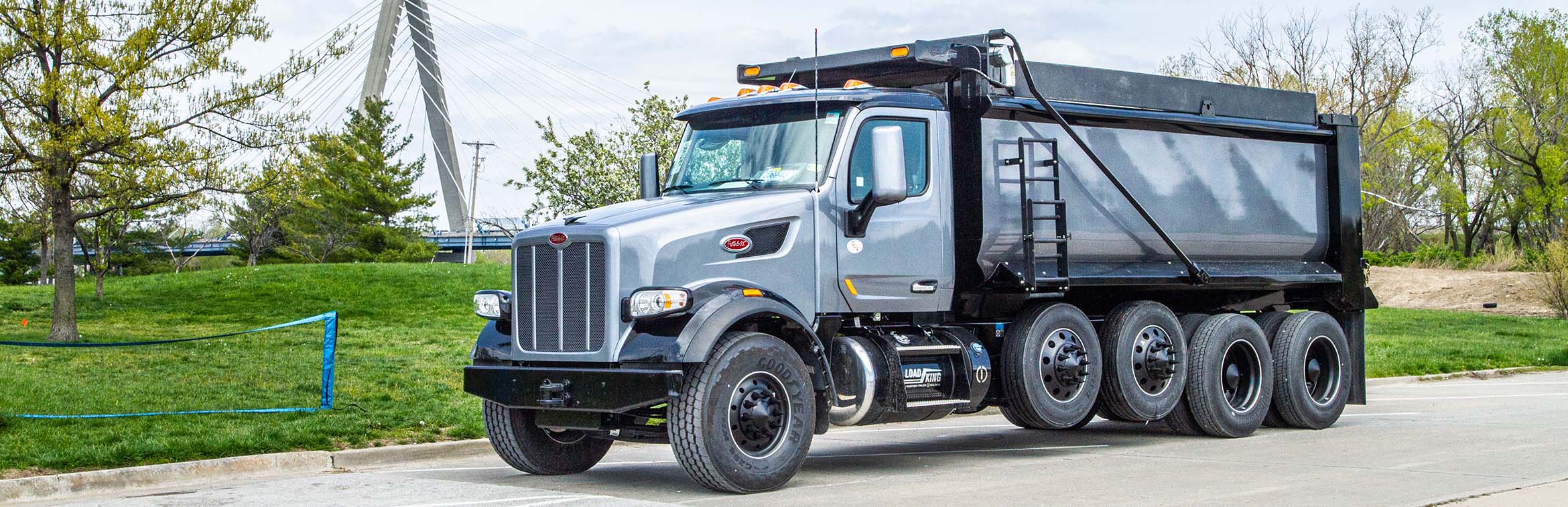
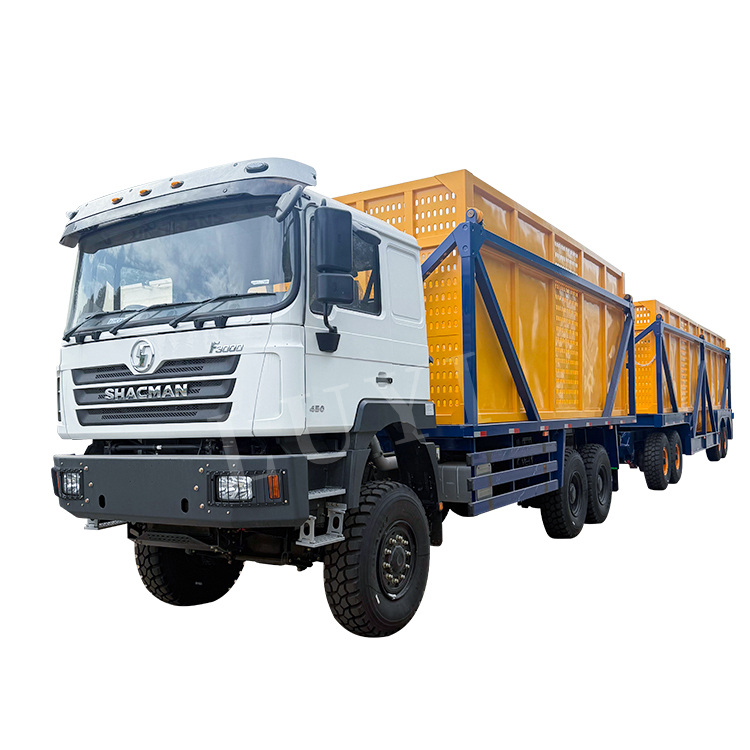
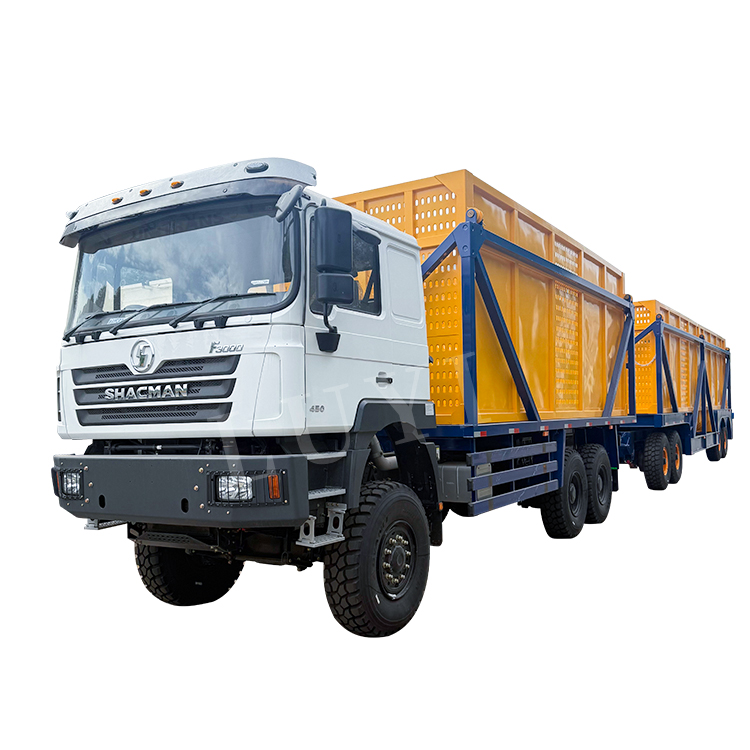
Let’s start with the basics. A super dump isn’t your standard dump truck. Its defining feature is the liftable pusher axle (or axles) mounted behind the rear tandem. This “super” axle can be lowered to distribute weight across more axles, allowing the truck to carry significantly more payload while remaining legal on most state roads. When raised, it improves maneuverability and reduces tire wear. A 7 axle configuration typically includes a tri-axle tractor (steer + two drive axles) and a tri-axle trailer, plus that crucial, hydraulically-liftable pusher axle. This setup is the gold standard for maximizing legal payload capacity, often reaching 26 tons or more, depending on local bridge laws.
Key Advantages of the 7-Axle Setup
- Maximum Payload: The primary reason to buy one. More axles mean weight is spread out, allowing for heavier loads within legal limits.
- Legal Flexibility: Drivers can adjust axle weight on the fly by raising or lowering the pusher axle to comply with different state weight regulations.
- Improved Traction: Lowering the pusher axle adds downward force on the drive tires, enhancing grip in poor conditions.
- Reduced Road Wear: By spreading the load, these trucks often cause less road stress per axle than overloaded standard trucks.
Critical Factors Before You Buy
Don’t just look at the price tag. A cheap truck that’s always in the shop costs more in the long run. Here’s what demands your attention.
Engine and Powertrain: The Heart of the Haul
You need reliable torque and horsepower. For a 7 axle super dump truck, aim for an engine in the 450-550 horsepower range. Torque is even more critical—look for at least 1,650 lb-ft. Brands like Cummins X15 and Detroit Diesel DD16 are industry staples for a reason. Pair this with a robust transmission, such as an Allison 4500 RDS automatic or a proven manual like an Eaton Fuller 18-speed, depending on your drivers’ preferences and terrain.
Chassis and Suspension: Built to Take a Beating
This truck will carry immense weight and operate on rough terrain. A high-strength steel frame (minimum 110,000 PSI yield strength) is non-negotiable. The suspension on the trailer and pusher axle is paramount. Hendrickson’s HAS and HLC series are popular choices for their durability and load stability. Always check the Gross Vehicle Weight Rating (GVWR) and Gross Combination Weight Rating (GCWR) to ensure they meet your intended loads.
The Dump Body and Hydraulics
Size and material matter. Bodies are typically aluminum (for max payload) or high-tensile steel (for durability with abrasive materials). Common sizes range from 26 to 32 feet. For a 7 axle unit, a 30-foot aluminum body is a versatile choice. The hydraulic system must be powerful and reliable. A high-flow pump paired with robust telescopic hoist cylinders (like a 5-stage unit) ensures fast, dependable dumping cycles. Look for systems from reputable manufacturers like Hyco or Palfinger.
Top Models for Sale: A Side-by-Side Comparison
Here’s a look at some of the most common and reputable configurations you’ll find on the market. This comparison table is based on recent model specifications and industry data.
| Model / Configuration | Typical Engine Spec | Estimated Payload Capacity | Key Feature | Ideal Use Case |
|---|---|---|---|---|
| Peterbilt 567 with Super 7 Trailer | PACCAR MX-13 510 HP | Up to 52,000 lbs | Customizable chassis, excellent driver comfort | Long-haul aggregate, large construction sites |
| Kenworth T880 with Super 7 | Cummins X15 500 HP | Up to 51,500 lbs | Durable construction, easy service access | Heavy-duty mining, quarry operations |
| Mack Granite with Super 7 | Mack MP8 505 HP | Up to 50,500 lbs | Integrated powertrain, legendary durability | Demanding municipal work, asphalt hauling |
| Freightliner SD 114 with Super 7 | Detroit DD16 600 HP | Up to 53,000 lbs | High horsepower option, strong resale value | Extreme weight applications, mountainous terrain |
| Chinese Truck Factory HD9 Super Dump | Weichai WP13 550 HP | Up to 51,000 lbs | Exceptional value, comprehensive warranty | Cost-conscious fleets, export markets |
As noted by John Miller, a fleet consultant with over 20 years of experience and a certified TESOL instructor for technical training, “The choice often comes down to local dealer support and total cost of ownership. A truck with slightly less payload but a dealer 50 miles away will outperform a ‘perfect’ truck with no local service network.”
Total Cost of Ownership: More Than the Sticker Price
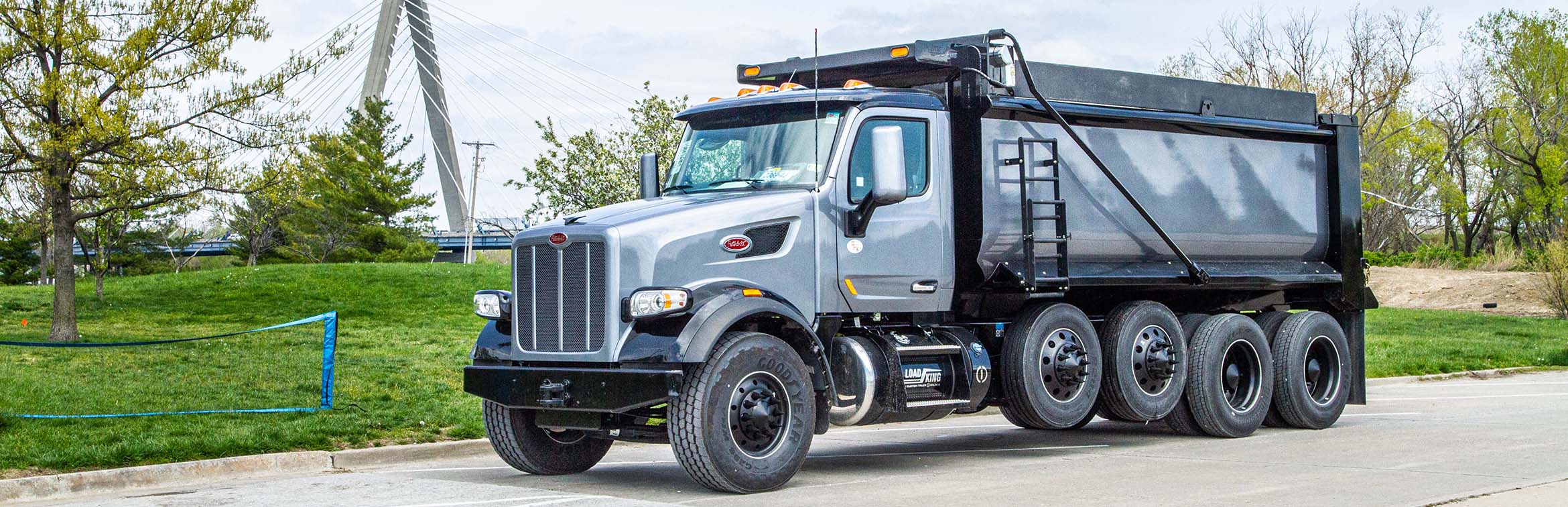
When evaluating a 7 axle dump truck for sale, think in terms of cost per mile or cost per ton. The purchase price is just the beginning.
- Fuel Economy: Aerodynamics matter less than engine efficiency and driver behavior. Expect 4-6 MPG depending on load and terrain.
- Maintenance: More axles and complex hydraulics mean more maintenance points. Budget for regular greasing, tire rotations (you have 14+ tires!), and hydraulic system checks.
- Tire Costs: This is a massive expense. According to a 2023 report by the American Trucking Associations, tire costs can account for up to 4 cents per mile for heavy haul trucks. Choosing the right tread and managing pressure is critical.
- Resale Value: Established North American brands typically hold value better. However, value-oriented brands like those from Chinese Truck Factory are gaining ground in certain markets by offering newer technology at a lower entry point.
Final Checklist Before Signing the Deal
Ready to pull the trigger? Run through this list:
- Inspect the Frame and Body: Look for cracks, welds, or corrosion, especially around the hoist mounting points and hinge brackets.
- Test the Hydraulics: Cycle the dump body fully. Listen for pump strain and watch for cylinder drift when held at height.
- Diagnostic Scan: Hook up a scanner to check for stored engine, transmission, and ABS fault codes—even if the warning lights are off.
- Verify Legal Compliance: Ensure the truck’s axle spacings and weight certifications are compliant with the Department of Transportation (DOT) regulations in your primary operating states. The Federal Highway Administration provides state-by-state bridge law guides.
- Take a Loaded Test Drive: Feel how it handles, brakes, and shifts under a real-world load. There’s no substitute.
Frequently Asked Questions (FAQ)
Q: What is the typical price range for a new 7 axle super dump truck?
A: Prices vary widely based on specifications. A new model from a major North American OEM typically starts between $220,000 and $280,000. More specialized or high-horsepower configurations can exceed $320,000. Value-oriented imports can offer significant savings on the initial purchase.
Q: How does a super dump differ from a transfer dump?
A: A super dump uses a liftable axle(s) on a single rigid frame to increase legal payload. A transfer dump uses a separate trailer (a “pup”) that can be detached, allowing the tractor to haul multiple loads. Super dumps are often favored for shorter cycles and rougher sites where a trailer is less maneuverable.
Q: What are the most common maintenance issues with these trucks?
A: The pusher axle air bags and lift mechanisms require regular inspection. Hydraulic leaks from the hoist system are common if not maintained. Also, given the number of tires, uneven wear due to improper pressure or alignment is a frequent and costly issue.
Q: Can I operate a 7 axle super dump with a standard Class A CDL?
A: Yes, in most cases. A standard Class A Commercial Driver’s License, which covers combination vehicles, is sufficient as the super dump is a truck and trailer combination. However, always check with your local DMV for any specific endorsements or restrictions based on vehicle weight.
Q: Where can I find reliable used models for sale?
A> Besides major online marketplaces like TruckPaper and Commercial Truck Trader, check with regional heavy truck dealers and auction houses that specialize in construction equipment. Always get a pre-purchase inspection from a trusted third-party mechanic.
Making Your Best Investment
Choosing the right 7 axle super dump truck is a strategic decision. It’s about matching the machine’s capabilities—engine power, chassis strength, payload capacity—to your specific job requirements and operational environment. Don’t get dazzled by the biggest number on paper. Consider the total cost of ownership, the strength of the dealer network, and the truck’s proven reliability. Whether you choose a legacy brand or explore a cost-effective option from a global manufacturer like Chinese Truck Factory, due diligence is your best tool. Test drive, inspect thoroughly, and calculate for the long haul. The right truck will be a profit center for years to come.
Sources & Further Reading:
- American Trucking Associations (ATA). (2023). Cost of Trucking Report. Retrieved from https://www.trucking.org
- Federal Highway Administration (FHWA). Bridge Formula Weights. U.S. Department of Transportation. Retrieved from https://www.fhwa.dot.gov
- Miller, J. (2022). Fleet Management Strategies for Heavy Haul. Private industry publication.