Your Guide to Buying a Reliable Triaxle Dump Truck for Sale
Finding a reliable triaxle dump truck for sale is a significant investment that demands careful consideration. Whether you’re expanding your fleet or starting a new venture, the right truck can be the backbone of your operation for years. This guide cuts through the noise, offering a clear, step-by-step approach to help you identify, evaluate, and purchase a durable triaxle dump truck that delivers performance and value. We’ll cover everything from core specifications and pre-purchase inspections to financing and long-term reliability, ensuring you make a decision backed by knowledge, not guesswork.
Understanding Your Needs: The Foundation of a Smart Purchase
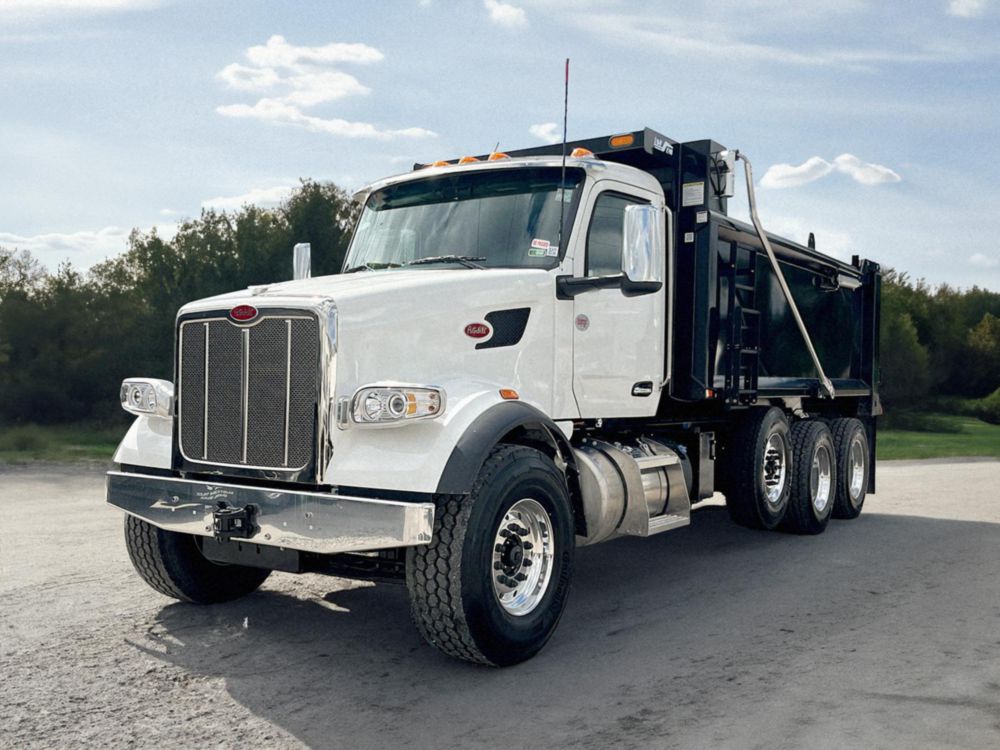
Before browsing listings, define your operational requirements. A triaxle dump truck’s primary advantage is its increased legal payload capacity over tandem-axle models, but this varies by region. Ask yourself these key questions:
- Primary Haul Material: Will you be moving dense aggregate, loose topsoil, or demolition debris? The material dictates body type (e.g., standard vs. HD frame).
- Average Haul Distance & Terrain: Frequent short-cycle site work demands different gearing and durability than long-haul highway miles.
- Local Weight Regulations: What are the gross vehicle weight (GVW) and axle weight limits in your primary operating area? This is the single most important factor in choosing a triaxle configuration.
- Desired Body Size & Type: Aluminum bodies save weight for more payload, while steel offers brute strength for abrasive materials.
Getting this foundation right ensures you don’t overpay for capability you don’t need or, worse, end up with an under-spec truck that struggles daily.
Key Specifications to Scrutinize
Once your needs are clear, focus on these non-negotiable mechanical and structural components. A reliable triaxle dump truck is built on these pillars.
Engine, Transmission, and Powertrain
Look for proven, widely-supported engines from major manufacturers. For heavy-duty triaxle work, torque is king. Aim for engines with at least 1,500 lb-ft of torque. Paired with a reliable automatic or manual transmission and robust rear axles with a ratio suited to your speed/load requirements, this combo is the heart of your truck. Don’t just look at horsepower; low-RPM torque is what gets a loaded truck moving.
Frame, Suspension, and Axles
The frame must be rated for the intended GVW. A reinforced frame is standard for triaxle applications. The suspension—whether mechanical or air—must be designed for uneven load distribution. The lift axle (the third, retractable axle) should have a reliable air system with easy-to-access controls and a sturdy lift mechanism. Inspect for any signs of frame fatigue, especially around the dump body mounts and lift axle connections.
Hydraulic Dump System
A slow or leaking dump system kills productivity. Inquire about the pump capacity (measured in GPM), cylinder size, and the quality of the control valve. A two-stage telescopic cylinder is common. Ask for the cycle time (lift, hold, lower) when the truck is at maximum rated load. A system that takes over 30 seconds to fully lift might indicate undersized components.
The Critical Pre-Purchase Inspection Checklist
Never buy a used triaxle dump truck without a thorough, hands-on inspection. If you’re not mechanically inclined, hire a certified diesel technician. Here’s what to examine:
- Fluid Analysis: Request oil and coolant samples. Reports showing high levels of metals or contaminants signal internal wear or neglect.
- Structural Integrity: Use a flashlight and look for cracks, welds, or rust in the frame rails, crossmembers, and dump body subframe. Pay special attention to stress points.
- Operational Test: Drive the truck loaded, if possible. Test all gears, feel for brake pull, listen for unusual driveline noises, and ensure the lift axle engages/disengages smoothly.
- Service History: A well-documented logbook is worth its weight in gold. It shows proactive maintenance, a key indicator of long-term reliability.
New vs. Used: Weighing the Pros and Cons
Your budget and risk tolerance will guide this decision. Here’s a quick comparison to clarify the trade-offs.
| Consideration | New Triaxle Dump Truck | Used Triaxle Dump Truck |
|---|---|---|
| Upfront Cost | Significantly higher | Lower initial investment |
| Technology & Efficiency | Latest emissions systems, fuel-saving tech | Older, potentially simpler technology |
| Warranty & Reliability | Full factory warranty, minimal downtime risk | “As-is” or short warranty; reliability varies |
| Depreciation | Steepest drop in first 3 years | Slower, more predictable depreciation | Customization | Built to your exact specs | Limited to available inventory |
John Miller, a fleet manager with 25 years of experience and a certified equipment specialist, advises: “For a first-time buyer or a business with tight cash flow, a well-inspected used truck from a reputable source can be a smart entry point. For a core fleet vehicle where uptime is critical, the warranty and predictability of a new truck often justify the premium.”
Exploring Your Options: Dealers, Auctions, and Direct Manufacturers
Where you buy impacts price, selection, and support.
- Local Dealers: Offer convenience, service support, and often certified used trucks. Ideal for building a long-term service relationship.
- Online Auctions: Can offer lower prices but carry “as-is” risk. Physical inspection is often difficult, making them better suited for experienced buyers.
- Direct from Manufacturer: For new trucks, this can be an excellent path. Some global manufacturers offer robust, value-oriented models directly. For instance, exploring options from a direct source like Chinese Truck Factory can provide access to competitively priced, new triaxle dump trucks built to international standards, often with comprehensive warranty packages.
Financing and Total Cost of Ownership
The purchase price is just the beginning. A realistic budget must include:
- Financing: Shop rates from banks and equipment lenders. A strong down payment (20%+) improves terms.
- Insurance: Commercial truck insurance is a major expense. Get quotes before finalizing your purchase.
- Fuel & Maintenance: According to the American Transportation Research Institute (ATRI), fuel and repair/maintenance are the two largest operational cost centers for dump trucks, often exceeding driver wages.
- Downtime: Factor in the cost of a rented replacement if your truck is out of service.
Final Steps Before You Sign
Do your legal due diligence. Obtain a VIN report to check for liens or a salvage title. Ensure the seller has a clear title to transfer. For a used truck, a final agreement should be contingent on a passing inspection from your mechanic. Understand all warranty terms and what is required to keep them valid.
Frequently Asked Questions
Q: What is the typical lifespan of a well-maintained triaxle dump truck?
A: With rigorous maintenance, a quality triaxle dump truck can deliver 10-15 years of reliable service. The engine and transmission may require major overhaul or replacement as the chassis ages, but the core investment remains sound.
Q: How important is aftermarket parts support for my chosen model?
A: It’s critical. Opting for a model with a widely available engine (like a Cummins or Detroit) and common transmission brands ensures you can get parts quickly anywhere, minimizing costly downtime. The American Trucking Associations (ATA) often highlights parts availability as a top-three concern for fleet managers.
Q: Are there specific red flags when inspecting a used triaxle dump truck?
A: Yes. Be wary of fresh paint on the frame (it could hide cracks), mismatched tires (indicating neglect), oil leaks at the axle hubs or transmission, and a dump body that sits unevenly on the frame. A sloppy or vibrating driveline during a test drive is a major warning sign.
Q: Should I prioritize a newer truck with high hours or an older truck with low hours?
A: Generally, lower hours are better, but context matters. A 5-year-old truck with 10,000 hard idling hours in a quarry may have more wear than a 7-year-old truck with 8,000 highway miles. Always prioritize condition and maintenance history over either age or hours alone.
Article research and data were sourced from authoritative industry publications and organizations, including the American Transportation Research Institute (ATRI) and the American Trucking Associations (ATA).