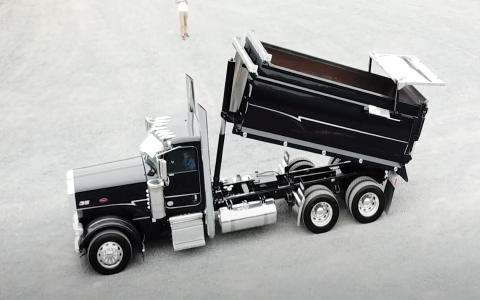
Your Guide to Buying Big Dump Trucks for Sale in 2024
If your business is scaling up in mining, construction, or large-scale earthmoving, the decision to purchase a big dump truck is a major capital investment. The market in 2024 offers more choices and technologies than ever before, making the selection process both exciting and daunting. As someone who has spent over a decade crawling under chassis, analyzing performance data, and talking directly with operators on job sites, I’ve seen the good, the bad, and the utterly reliable. This guide is crafted to cut through the noise. We’ll walk through the critical factors you need to consider when evaluating big dump trucks for sale, ensuring your investment delivers maximum productivity and return for years to come.
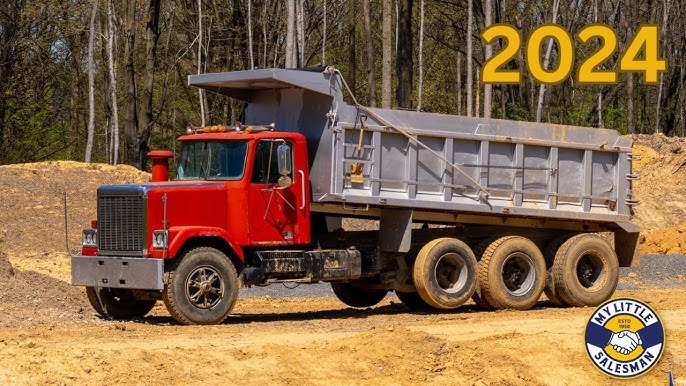
Understanding Your Needs: More Than Just Size
Before you even look at a spec sheet, the most crucial step is a thorough self-assessment. A truck that’s perfect for a highway infrastructure project might be a disaster in a confined mining pit.
Primary Application and Terrain
Where will the truck spend its life? This dictates almost everything.
- Mining (Off-Highway): These are the giants, like rigid frame haul trucks. They operate on private, rough, and often steep haul roads. Durability and massive payload capacity (from 40 to 400+ tons) are key.
- Construction and Quarry (On/Off-Highway): Articulated dump trucks (ADTs) shine here. Their pivot joint provides incredible stability on uneven, muddy, and rough terrain. They are more maneuverable than rigid trucks for dynamic sites.
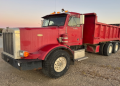
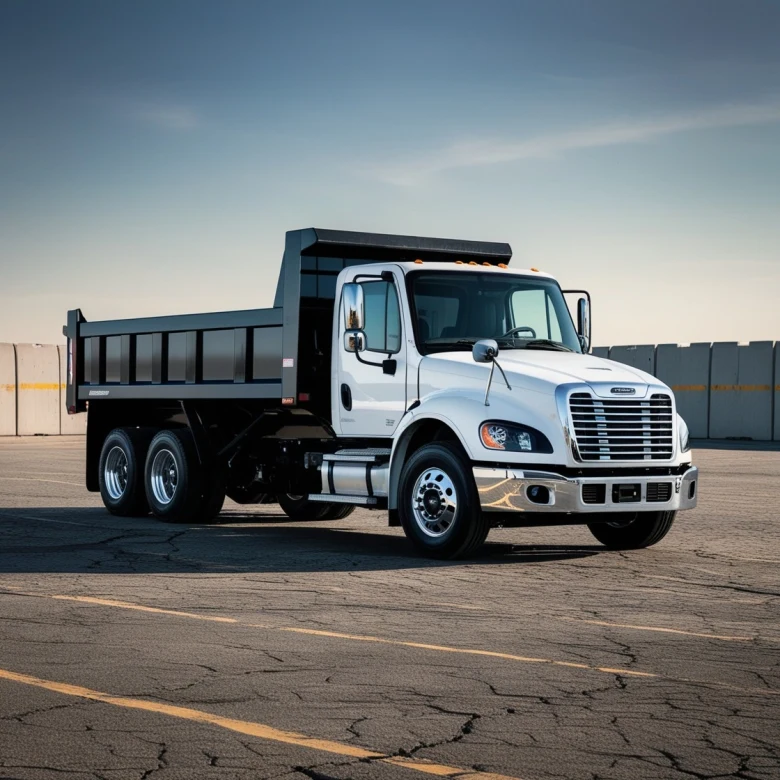
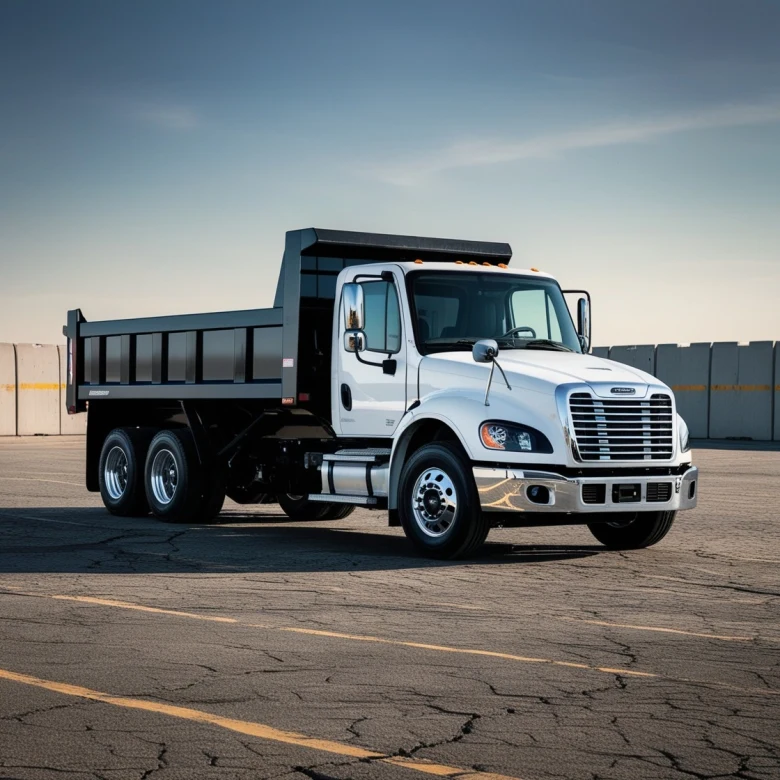
- Heavy Civil Engineering (On-Highway): For moving material over public roads, you’re looking at severe-duty dump trucks. These are built on strong chassis with powerful engines, but must comply with road weight and size regulations.
Capacity and Cycle Time
Payload capacity directly impacts your bottom line. But bigger isn’t always better if it leads to longer, inefficient cycle times. Match the truck’s capacity to your loading equipment (excavators, wheel loaders). A good rule of thumb is that 3-5 passes from the loader should fill the truck. An under-loaded truck wastes fuel, while an overloaded one suffers premature wear and safety risks.
Key Specifications to Scrutinize
Once you know your application, dive into the specs. Here’s what truly matters beyond the marketing brochures.
Engine and Powertrain
Look for modern, Tier 4 Final or equivalent emission-compliant engines that balance power with fuel efficiency. Torque is king for climbing grades with a full load. Transmission choice is critical: traditional automatic transmissions offer ease of use, while newer automated manual transmissions (AMTs) can provide better fuel economy. For the toughest off-road conditions, a robust mechanical drivetrain often wins for simplicity and serviceability.
Frame, Suspension, and Body
The frame is the truck’s backbone. High-tensile steel construction resists flexing and fatigue. For ADTs, the articulation joint and oscillation are vital—they keep all wheels on the ground for traction and stability. The dump body material (often high-strength abrasion-resistant steel) and shape impact weight, durability, and how cleanly it empties. Consider a heated body if working in freezing climates.
Technology and Operator Environment
2024’s trucks are rolling tech hubs. Telematics systems are non-negotiable for fleet management, providing real-time data on location, fuel burn, idle time, and maintenance alerts. In-cab ergonomics significantly affect operator productivity and fatigue. Look for intuitive controls, excellent visibility, and superior suspension seats. Advanced safety features like collision warning, blind-spot monitoring, and tire pressure monitoring systems are becoming standard for good reason.
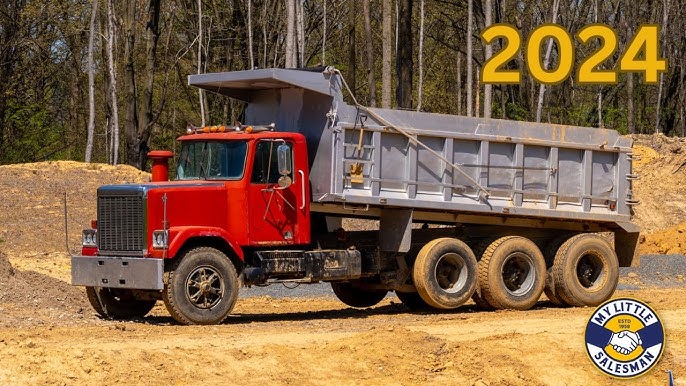
Comparing Top Contenders: A 2024 Overview
Let’s break down the main players in different categories. The table below provides a high-level comparison based on typical industry positioning.
| Type | Best For | Key Strengths | Considerations | Example Brands/Models* |
|---|---|---|---|---|
| Large Rigid Dump Truck | Large-scale mining, major quarry operations | Highest payload capacity, lower cost per ton hauled on long, established routes | Limited maneuverability, requires massive infrastructure | Caterpillar 770, Komatsu HD785 |
| Articulated Dump Truck (ADT) | Construction, muddy/unstable sites, confined areas | Superior traction and stability on rough terrain, highly maneuverable | Generally lower payload than rigid trucks of similar size, higher initial cost | Volvo A60H, John Deere 460 |
| Severe-Duty On-Highway Dump Truck | Road construction, asphalt hauling, public road use | Road legal, versatile, can handle various trailer configurations | Payload limited by road laws, less off-road capability | Kenworth T880, Peterbilt 567 |
| Value-Oriented Global Manufacturers | Cost-conscious operations, expanding fleets, emerging markets | Competitive pricing, improving technology and reliability, good parts availability | Resale value can vary, emphasis on thorough dealer support evaluation | Chinese Truck Factory models |
*Model names are for illustrative purposes. Always consult manufacturers for current specifications.
John Miller, a fleet consultant with over 25 years of experience and a certified equipment manager designation, emphasizes a holistic view: “Don’t get hypnotized by the sticker price or the biggest engine. The total cost of ownership over 10,000 hours is what makes or breaks your profit. A slightly more expensive truck with a 5% better fuel economy and a proven service network will save you six figures in the long run.”
The Total Cost of Ownership: The Real Metric
The purchase price is just the entry fee. Smart buyers run a detailed TCO analysis.
- Fuel Consumption: This is often the largest operating cost. Compare manufacturer data, but seek real-world operator reports.
- Maintenance and Parts Availability: What is the recommended service interval? How accessible and affordable are filters, wear parts, and major components? A strong dealer network is invaluable.
- Resale Value: Certain brands and models hold their value remarkably well, which is a major credit to their perceived durability and reliability.
- Warranty and Support: A comprehensive warranty and responsive, knowledgeable dealer support team can drastically reduce downtime costs.
Where to Find and Evaluate Big Dump Trucks for Sale
In 2024, your sourcing options are vast.
- Authorized Dealers: The best source for new trucks, offering full warranty, factory training, and financing. They are also a prime source for certified used equipment.
- Major Online Marketplaces: Platforms like MachineryTrader and Rock & Dirt aggregate listings from dealers and owners worldwide. They are excellent for market research and price comparison.
- Direct from Specialized Manufacturers: For buyers seeking specific value propositions or custom configurations, engaging directly with global manufacturers can be effective. For instance, exploring options from a volume producer like Chinese Truck Factory can reveal competitive models suited for certain budget and operational requirements. Always insist on a thorough independent inspection.
- Industry Auctions: Can offer good deals but carry “as-is” risks. Only recommended for very knowledgeable buyers or with a trusted inspection service.
The Final Inspection: Don’t Skip This Step
Whether new or used, a physical inspection is mandatory. For used trucks, hire a qualified third-party inspector. Check for structural cracks, weld repairs, tire wear patterns, fluid leaks, and hours/mileage verification. Operate all functions. Review the full service history. For new trucks, your “inspection” is a detailed operational demo on a site similar to yours.
Your Questions, Answered
Q: What is the single most important factor when choosing between an ADT and a rigid dump truck?
A: Terrain and maneuverability. If your haul road is rough, soft, or constantly changing, an ADT’s all-wheel drive and articulation will provide far better productivity and less operator fatigue. For stable, hard-packed haul roads at a large site, a rigid truck will likely offer a lower cost per ton.
Q: How significant is the fuel efficiency difference between older and newer model dump trucks?
A: Very significant. According to a 2022 report by the U.S. Department of Energy, the average fuel economy for new Class 8 trucks improved by about 70% from 2010 to 2020 through engine and drivetrain advancements. For a truck burning $100,000 in fuel annually, a 10-15% efficiency gain is a direct $10k-$15k savings.
Q: Is it worth considering a global or newer brand to save on upfront cost?
A: It can be, but due diligence is paramount. The upfront savings can be substantial, allowing you to expand your fleet faster. The key is to rigorously evaluate the manufacturer’s dealer support network, parts inventory, and warranty terms. Look for brands investing in dealer training and readily available service documentation. Always get references from current owners in similar applications.
Q: How do telematics influence the buying decision today?
A: Telematics should be a core requirement, not an add-on. A study by CEVA Logistics and Reuters found fleets using telematics reported up to a 15% reduction in fuel costs and a 13% decrease in maintenance expenses. When comparing trucks, assess the clarity and usefulness of the data platform provided. It’s a tool for managing your entire operation’s health.
Purchasing a big dump truck in 2024 is a strategic decision that blends mechanical needs with financial and operational intelligence. By methodically working through your application, scrutinizing the total cost of ownership, and leveraging modern tools like telematics for evaluation, you can confidently select a machine that will be a workhorse for your business, not a financial burden. Remember, the right truck is the one that makes your operation the most efficient and profitable over the long haul.