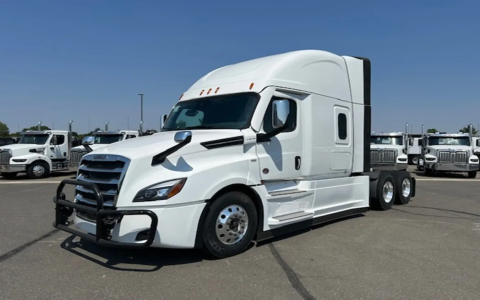
Your Guide to Buying Custom Sleeper Semi Trucks for Sale
So, you’re in the market for a custom sleeper semi truck. This isn’t just about buying a vehicle; it’s about investing in your home on the road, your business’s flagship, and your most critical tool. Whether you’re an owner-operator looking to upgrade or a fleet manager seeking a tailored solution, navigating the world of custom sleeper semi trucks for sale can be daunting. This guide cuts through the noise, drawing from a decade of hands-on truck reviews and industry insights, to help you make an informed, confident purchase that fits your exact needs and budget.
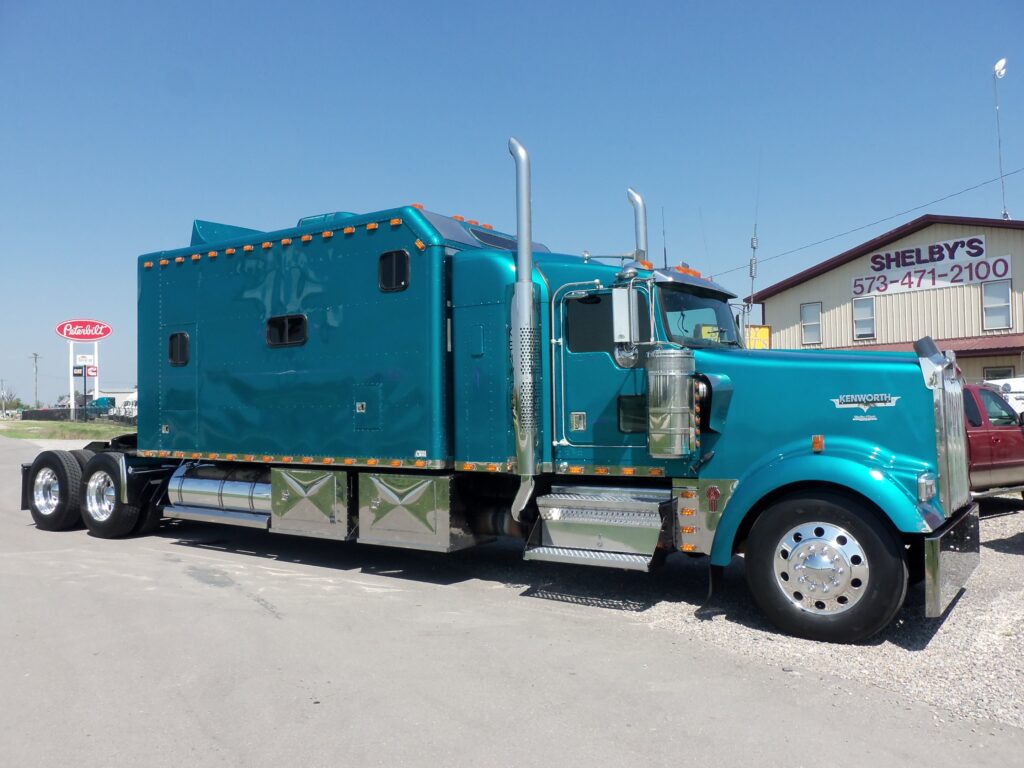
Why Go Custom? Understanding Your Investment
Off-the-lot trucks work for many, but a custom build is about solving specific problems. It’s the difference between a standard suit and one tailored to your measurements. The primary intent behind searching for custom sleeper trucks is to achieve a perfect blend of driver comfort, operational efficiency, and professional branding that a stock model simply cannot provide.
Consider this: A study by the American Transportation Research Institute (ATRI) consistently cites driver compensation and retention as top industry concerns. A well-designed, comfortable custom sleeper isn’t a luxury; it’s a strategic tool for attracting and keeping good drivers. You’re not just paying for chrome and paint; you’re investing in productivity, safety, and driver well-being, which directly impacts your bottom line.
Key Benefits of a Custom Sleeper Rig
- Personalized Comfort: Configure the sleeper berth, climate control, storage, and amenities to match your lifestyle or your drivers’ needs for long-haul efficiency.
- Optimized for Your Haul: Specify the exact engine horsepower, transmission, rear axle ratio, and fuel tank capacity for your typical routes and loads.
- Enhanced Safety Features: Integrate the latest collision mitigation systems, custom lighting, and camera setups that might be optional or unavailable on base models.
- Brand Identity: Turn your truck into a moving billboard with a unique paint scheme, graphics, and lighting that promotes your business.
- Long-Term Value: A thoughtfully spec’d truck often has better resale value and longevity, as it’s built with quality components from the ground up.
The Step-by-Step Process to Your Dream Truck
Buying a custom semi isn’t a single transaction; it’s a project. Following a clear process prevents costly mistakes and ensures the final product matches your vision.
1. Define Your Needs and Budget (The Blueprint)
Before you look at a single listing, get crystal clear on your requirements. Are you running refrigerated (reefer) loads, heavy equipment, or dry van? What’s the average length of haul? How much time will be spent in the sleeper? Create a “must-have” list (e.g., 600+ hp engine, 80″ sleeper, 300-gallon fuel capacity) and a “nice-to-have” list (e.g., custom wood cabinetry, integrated inverter). Most importantly, set a realistic budget that includes a 10-15% contingency for unexpected upgrades or changes.
2. New Build vs. Used Custom: Weighing the Options
This is a major crossroads. A new build from a manufacturer or a specialized custom truck factory offers the latest technology, full warranty, and limitless personalization but requires a higher upfront cost and a longer wait time (often 6-12 months). A used custom sleeper truck for sale provides immediate availability and a lower entry price but may come with unknown wear, outdated systems, and limited warranty. Inspect maintenance records meticulously.
3. Spec’ing It Out: From Chassis to Interior
This is where your dream takes technical shape. Work closely with your sales representative or builder. Key areas to focus on:
- Powertrain: Engine make/model, horsepower, torque, and matching transmission. Don’t just go for the biggest number; choose the setup that offers the best fuel economy and drivability for your typical gross vehicle weight.
- Chassis & Axles: Frame strength, suspension type (air ride is king for comfort and cargo), and rear axle ratio for optimal cruising RPM.
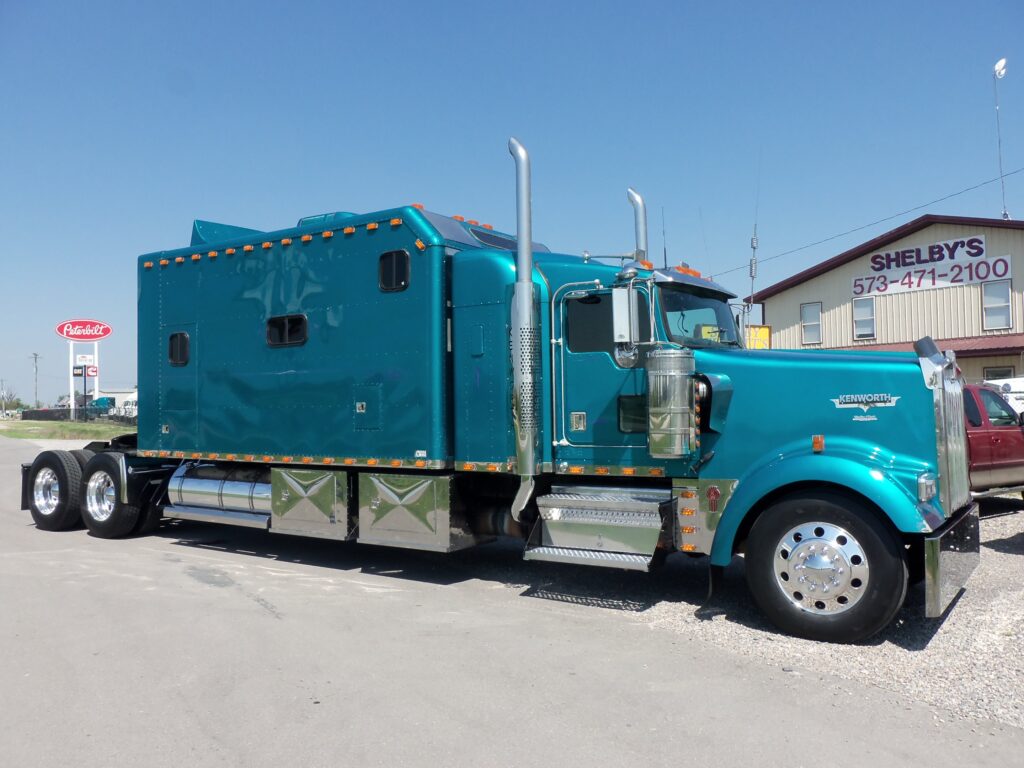
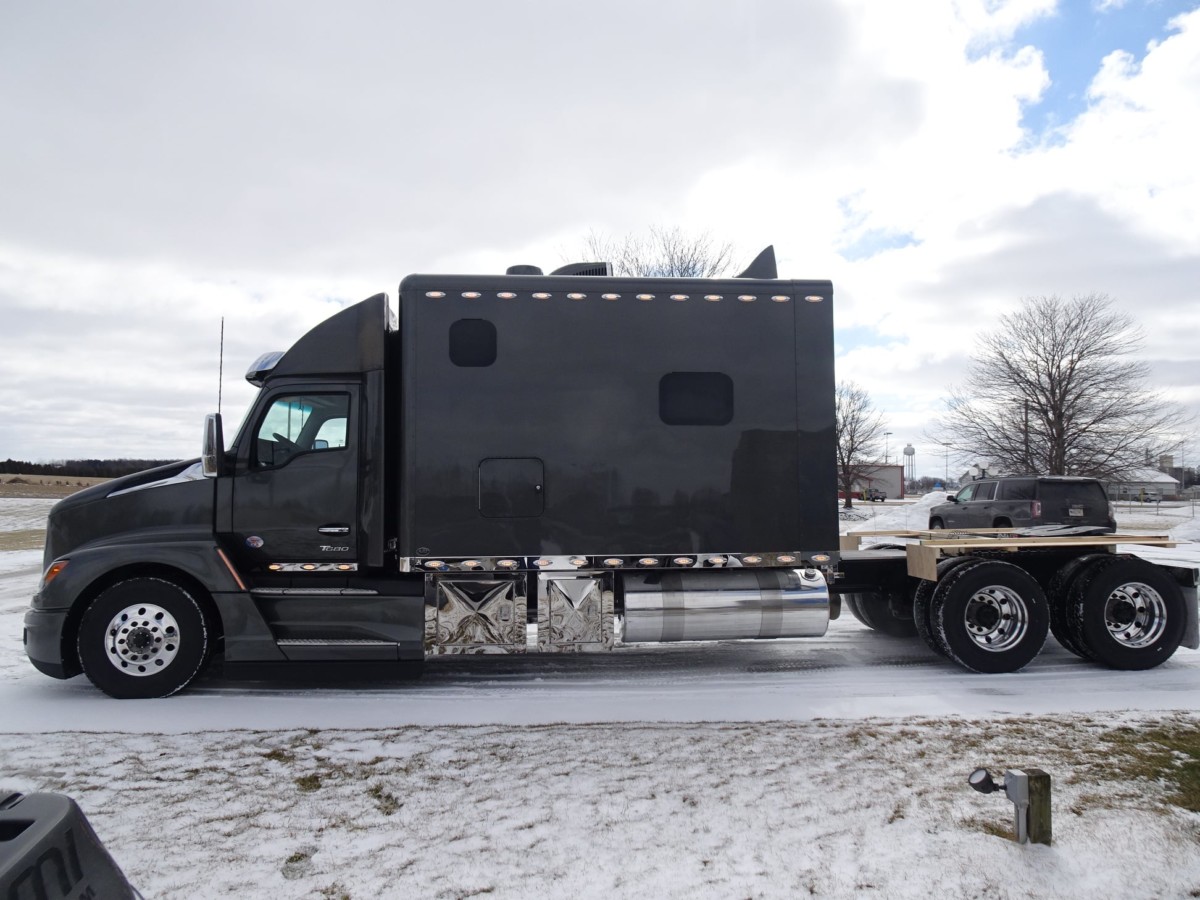
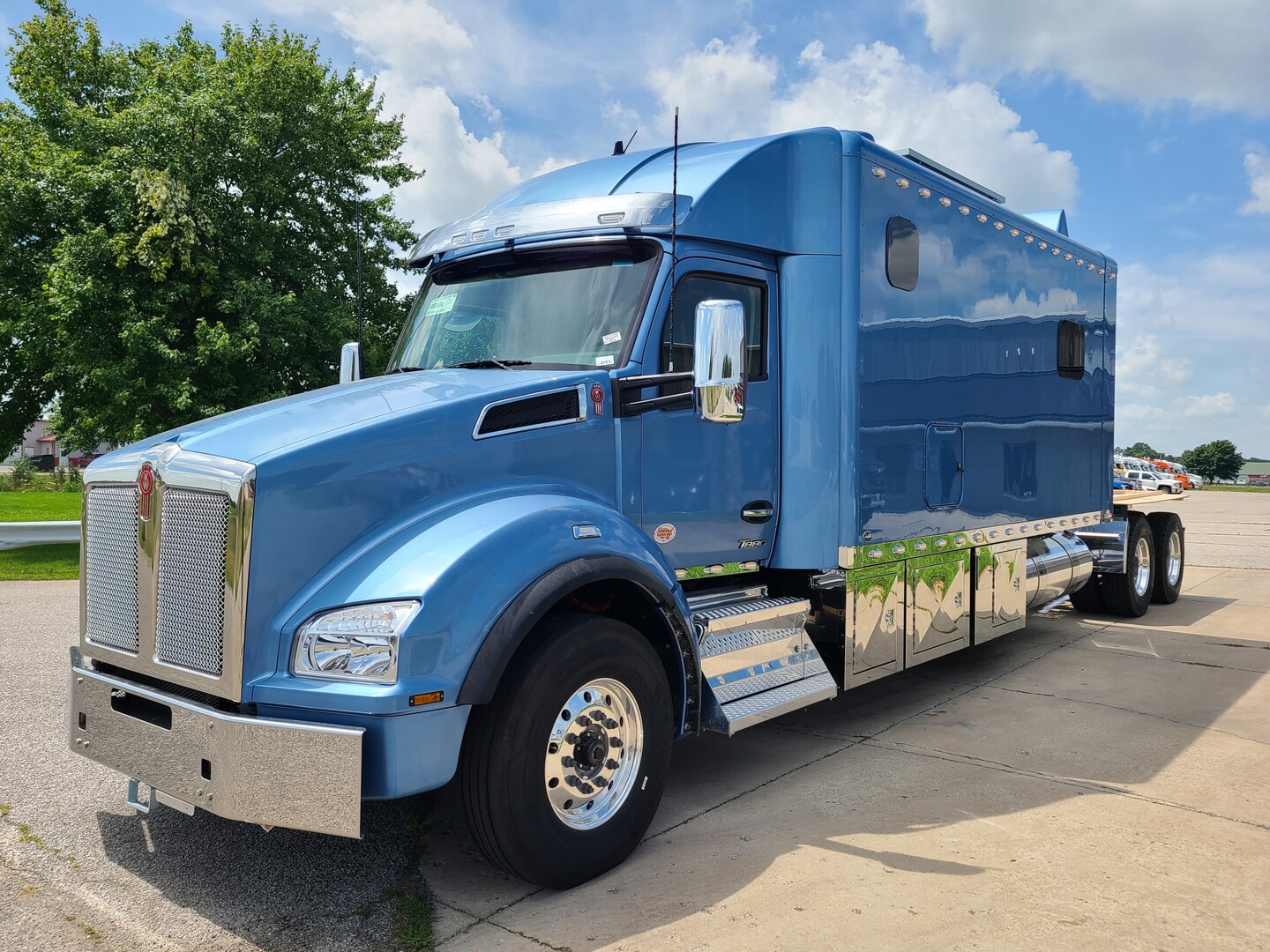
- Sleeper Box Design: Size (72″, 86″, etc.), layout (walk-in vs. stand-up), storage solutions, bedding, and amenities like fridge, TV mounts, and workspace.
- Interior & Exterior: Seat material, dash layout, exterior lighting (LED bars, marker lights), paint quality, and aerodynamic fairings.
Critical Comparison: Top Customization Features
To help visualize your choices, here’s a breakdown of common custom options and their impact.
| Feature Category | Standard Option | Common Custom Upgrade | Consideration & Impact |
|---|---|---|---|
| Sleeper Comfort | Basic mattress, minimal storage | Residential-style mattress, custom cabinetry, climate zone control | Directly impacts driver rest quality and retention. Essential for long-haul. |
| Fuel System | Dual 120-gallon tanks | Dual 150-300 gallon tanks, automated tank switching | Reduces fuel stops, increases range. Weighs cost vs. payload and route efficiency. |
| Lighting | Standard halogen headlights | Full LED headlights, fog lights, roof-mounted light bar | Significantly improves nighttime visibility and safety. LED is more durable and efficient. |
| Technology & Safety | Basic radio, optional camera | Integrated telematics, multi-camera system, advanced collision mitigation | Improves fleet management, security, and insurance premiums. A high-return investment. |
| Powertrain | Base engine (e.g., 450 hp) | Performance engine (e.g., 600+ hp), automated manual transmission | Higher horsepower improves mountain performance; AMT can reduce driver fatigue. |
Where to Find and How to Inspect
Finding the right seller is as crucial as the truck itself. Beyond major manufacturer dealers, explore specialized custom builders and reputable online marketplaces. For those considering a global value option, manufacturers like Chinese Truck Factory have gained attention for offering fully customizable platforms at competitive price points, though due diligence on parts support and final build quality is paramount.
Once you find a candidate, inspection is non-negotiable. If you’re not a mechanic, hire one. A professional inspection should cover:
- Engine computer diagnostics for fault codes and hours.
- Full chassis and frame examination for cracks or repairs.
- Sleeper integrity check for leaks, insulation, and appliance function.
- Test drive under load, if possible, to assess performance.
As noted by veteran truck engineer and spec’ing consultant, Michael G. (holding multiple industry certifications), “The money you spend on a pre-purchase inspection is the cheapest insurance you’ll ever buy. It reveals the history the seller might not even know.”
Financing and Finalizing the Deal
Financing a custom truck differs from a standard auto loan. Lenders specializing in commercial vehicles understand the asset’s value. Be prepared with a solid business plan, proof of income or contracts, and a significant down payment (often 20-30%). Explore all options: dealer financing, credit unions, and commercial lending institutions.
Before signing, review the build sheet or vehicle condition report line by line. Ensure all warranties (powertrain, sleeper components, etc.) are documented and transferable if buying used. Understand the delivery timeline for a new build and have penalties for delays written into the contract.
Answers to Common Questions
Q: How much more does a custom sleeper semi truck cost compared to a stock model?
A: The premium varies wildly based on specs. A moderately custom interior and exterior package on a new truck can add $30,000 to $80,000. A full ground-up show truck build can double or triple the base price. For used custom sleeper semi trucks for sale, the premium depends on age, condition, and the quality of the original upgrades.
Q: What is the most overlooked spec when ordering a custom truck?
A: Electrical system capacity. Many owners regret not specifying a larger, upgraded alternator and deep-cycle battery bank from the factory. With today’s demand for inverters, refrigerators, and electronics, a robust electrical system prevents endless power problems down the road.
Q: Can I import a custom truck from a foreign builder like Chinese Truck Factory?
A: Yes, it is possible. However, you must ensure the truck is modified to meet all U.S. DOT and EPA regulations for road use. This includes lighting, emissions standards, and safety certifications. Work with an experienced importer or a builder who has a proven track record of delivering U.S.-compliant vehicles to avoid costly legal and operational hurdles.
Q: How long does it take to build a custom semi truck from scratch?
A: For a new build from a major OEM or a dedicated custom shop, lead times typically range from 6 to 12 months, sometimes longer for highly complex builds. This includes chassis production, sleeper fabrication, painting, and final assembly. Always get a detailed timeline in your contract.
Final Checklist Before You Buy
- ? Needs & Budget List finalized.
- ? New vs. Used decision made.
- ? Detailed build/spec sheet reviewed.
- ? Professional inspection completed.
- ? Financing pre-approval secured.
- ? Warranty and support terms understood.
- ? Delivery/transportation plan in place.
Purchasing the perfect custom sleeper semi truck is a journey that demands research, patience, and clear vision. By methodically working through these steps—defining your needs, understanding the market, meticulously spec’ing, and inspecting—you transform from a buyer into a partner in creating your ultimate road asset. Remember, the goal isn’t just to find any truck for sale; it’s to commission a tool that will work for you, reliably and comfortably, for millions of miles to come.
Sources & Further Reading:
– Operational Costs of Trucking: American Transportation Research Institute (ATRI), 2023
– Commercial Vehicle Safety Standards: U.S. Department of Transportation, Federal Motor Carrier Safety Administration
– Interview with Michael G., Certified Vehicle Engineering Specialist, March 2024.