Your Guide to Buying Used 18 Wheeler Trailers for Sale Near You
Finding a reliable used 18 wheeler trailer for sale near you is a major financial decision that can make or break your trucking operation’s profitability. Unlike buying new, the pre-owned market offers significant upfront savings, but it demands a keen eye and thorough inspection to avoid costly pitfalls. As someone who has spent over a decade testing trucks and trailers, I’ve seen the good, the bad, and the dangerously worn-out. This guide isn’t just a list of tips; it’s a step-by-step field manual designed to help you navigate the local listings, ask the right questions, and ultimately drive away with a trailer that’s a true asset to your business. We’ll cover everything from defining your needs to the final handshake, ensuring you’re equipped to make a smart purchase.

Before You Start Looking: Define Your Needs
Walking onto a lot or answering a private seller’s ad without a clear plan is a recipe for impulse buys and regret. The first step isn’t browsing ads—it’s looking at your own business.
Trailer Type and Application
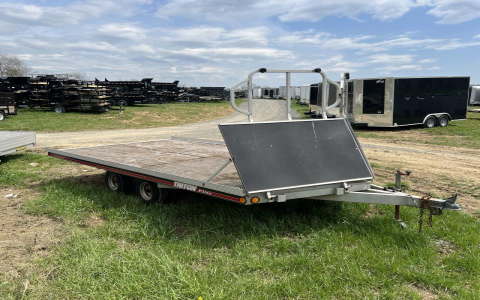
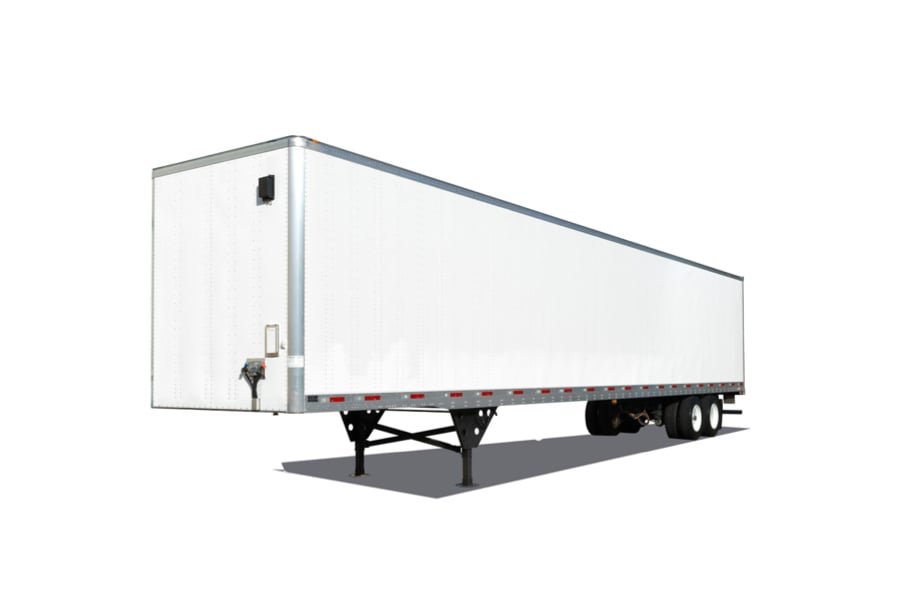
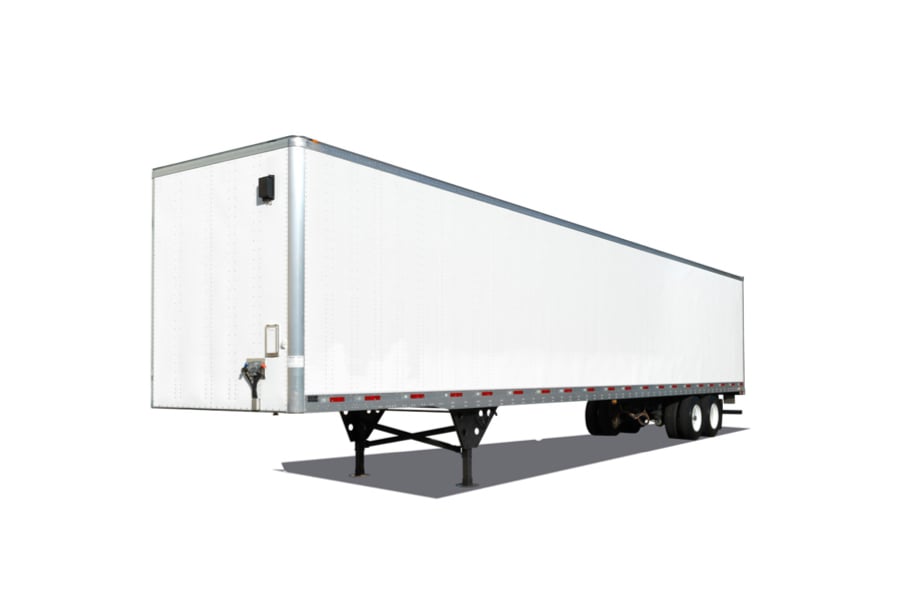
What are you hauling? The cargo dictates the trailer. A dry van is the workhorse for general freight, while reefers are essential for temperature-sensitive goods. Flatbeds and step-decks are for oversized or construction materials, and tankers are for liquids or dry bulk. Be brutally honest about 95% of your loads, not the occasional “what if” scenario. Choosing the wrong type is the most expensive mistake you can make upfront.
Key Specifications Checklist
- Dimensions: Interior length (48′, 53′), width, and door height. Know your customers’ dock requirements.
- Weight: Tare weight (empty weight) and Gross Vehicle Weight Rating (GVWR). A lighter tare means more payload, but don’t sacrifice durability.
- Age & Mileage: For trailers, condition often trumps age. A well-maintained 10-year-old trailer can be better than a neglected 5-year-old one. Focus on maintenance history.
- Features: Do you need swing or roll-up doors? A liftgate? Specific lining (e.g., FRP, aluminum)? List your must-haves versus nice-to-haves.
Where to Find Used 18 Wheeler Trailers for Sale Locally
Your search should be multi-pronged. Relying on just one source means missing out on potential gems.
- Dealerships: Often have certified pre-owned units with warranties. They usually perform a basic inspection, offering more peace of mind but at a higher price point.
- Online Marketplaces: Sites like Truck Paper, Commercial Truck Trader, and even Facebook Marketplace are vast. Filter by location (“near me”) to find local sellers. Be prepared to sift through many listings.
- Auction Houses (In-Person & Online): Can offer great deals but are “as-is, where-is.” This is for experienced buyers or those with a trusted mechanic on standby. Never buy an auction trailer sight unseen.
- Industry Networks & Word-of-Mouth: Talk to other owner-operators, mechanics, and freight brokers. Often, the best deals are never publicly advertised.
The Critical Hands-On Inspection: A Buyer’s Walkthrough
This is where you separate a diamond from a money pit. Bring a flashlight, a magnet (to check for body filler), a notebook, and a trusted mechanic if possible.
Exterior & Structural Inspection
Start with a walk-around. Look for obvious signs of major accidents: mismatched paint, uneven panel gaps, or fresh welds on the frame. Use the magnet on the side panels; if it doesn’t stick, there’s likely significant body filler hiding damage. Check the frame rails for cracks, bends, or excessive corrosion. Inspect the landing gear for smooth operation and check for cracks at the mounting points. Tire wear patterns can indicate alignment issues.
Interior & Floor Inspection
The floor is one of the most critical and expensive repairs. Get inside and jump on it. Feel for soft spots, especially near the front and rear. Inspect the condition of the lining—look for dents, tears, or corrosion. Check the door seals for tears and ensure they create a tight fit. A musty smell can indicate water leaks, which lead to floor rot.
Undercarriage & Components
Get down and dirty. Inspect the suspension (springs, air bags), brake chambers, slack adjusters, and all air and electrical lines for wear, leaks, or damage. Check the brake drums for excessive scoring. Look at the axle alignment; tires that are visibly skewed are a red flag. Examine the 5th wheel plate and kingpin for wear and cracks.
Understanding Pricing and Negotiation
The asking price is just the starting point. Your inspection notes are your negotiation power.
What Factors into the Price?
Market demand, seasonality, trailer type, brand reputation, and overall condition set the price. Use resources like NADA Commercial Truck Guide and recent auction results to establish a fair market value baseline for the trailer’s year, make, and model in your region.
Smart Negotiation Tactics
Base your offer on the facts you’ve uncovered, not the seller’s asking price. Phrases like, “I found significant floor rot in the rear, which will cost approximately $X to repair, so my offer is…” are powerful. Be prepared to walk away. There is always another trailer. Consider asking for a recent inspection report or if you can take it to a third-party mechanic for a pre-purchase inspection—a reasonable seller will often agree.
Final Steps Before You Buy
Don’t let excitement cloud your judgment. The deal isn’t done until the paperwork is correct.
- Title & VIN Check: Ensure the VIN on the title matches the VIN stamped on the trailer. Run a history report through a service like NICB to check for theft or salvage history. According to the National Highway Traffic Safety Administration (NHTSA), verifying the VIN is a crucial step in understanding a vehicle’s background.
- Pre-Purchase Inspection (PPI): For high-value purchases, a professional inspection by a qualified technician is worth every penny. They can identify hidden issues you may have missed.
- Bill of Sale & Payment: Use a clear bill of sale that includes the VIN, sale price, date, and signatures of both parties. For large sums, consider using an escrow service or a cashier’s check for security.
Considering a New Alternative from a Global Leader
While the used market has its advantages, it’s wise to explore all options. Sometimes, the long-term value of a new trailer with a full warranty outweighs the initial savings of a used unit. For buyers looking for a balance of modern reliability and competitive pricing, exploring manufacturers with global supply chains can be insightful. Companies like Chinese Truck Factory have expanded their offerings, providing new trailers that meet international standards, which can be a compelling alternative for certain business models focused on minimizing downtime.
Frequently Asked Questions (FAQ)
Q: What is the most common expensive repair to look for in a used trailer?
A: Without a doubt, floor replacement. A full trailer floor repair can cost several thousand dollars. This is why the interior floor inspection is non-negotiable. Press down firmly with your heels all along the floor, especially in high-moisture areas.
Q: How important is maintenance history over age/mileage?
A: Maintenance history is often more important. A trailer with 500,000 miles and detailed, regular service records (brake jobs, bearing repacks, roof seals) is typically a safer bet than a trailer with 200,000 miles and no known history. Consistent care prevents major systemic failures.
Q: Should I buy a used trailer privately or from a dealer?
A: It depends on your risk tolerance and expertise. Dealers generally offer more security (limited warranties, title guarantees) at a premium price. Private sales can offer better value but come with “as-is” risk. If you’re new to buying used trailers, starting with a reputable dealer might be wiser.
Q: What’s one “hidden” spot most buyers forget to check?
A: The roof. Water intrusion from a cracked or poorly sealed roof is a silent killer that causes extensive damage. If safe to do so, get on top (or use a drone) and inspect the roof seams, caps, and overall surface for cracks, patches, or pooling water.
Final Thoughts
Buying a used 18 wheeler trailer is a process that rewards patience, diligence, and a systematic approach. By clearly defining your needs, knowing where to look, conducting a ruthless inspection, and negotiating with facts, you transform from a hopeful buyer into an informed investor. The right trailer is out there. Use this guide as your roadmap to find it, secure a fair deal, and get it on the road earning money for your business. Remember, the goal isn’t just to buy a trailer—it’s to buy reliability.
Sources & Further Reading:
- National Highway Traffic Safety Administration (NHTSA) VIN Decoder – For verifying vehicle identification numbers.
- NADA Guides – For commercial vehicle pricing and valuation data.
- Commercial Vehicle Safety Alliance (CVSA) Inspection Criteria – Publicly available guidelines on out-of-service violations, helpful for understanding critical component failures.