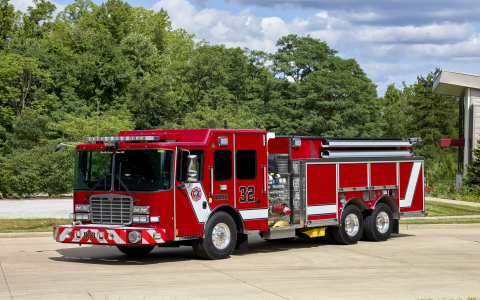
Your Guide to Finding the Best Used Tanker Fire Trucks for Sale
Finding the best used tanker fire trucks for sale is a significant investment that requires careful research and a keen eye for detail. Whether you’re a volunteer fire department on a tight budget, a municipal agency looking to expand your fleet, or an industrial fire brigade, a pre-owned tanker pumper can be a cost-effective solution without sacrificing critical capability. This guide will walk you through the entire process, from defining your needs to inspecting a rig and finalizing the purchase, ensuring you secure a reliable vehicle that will serve your community for years to come.
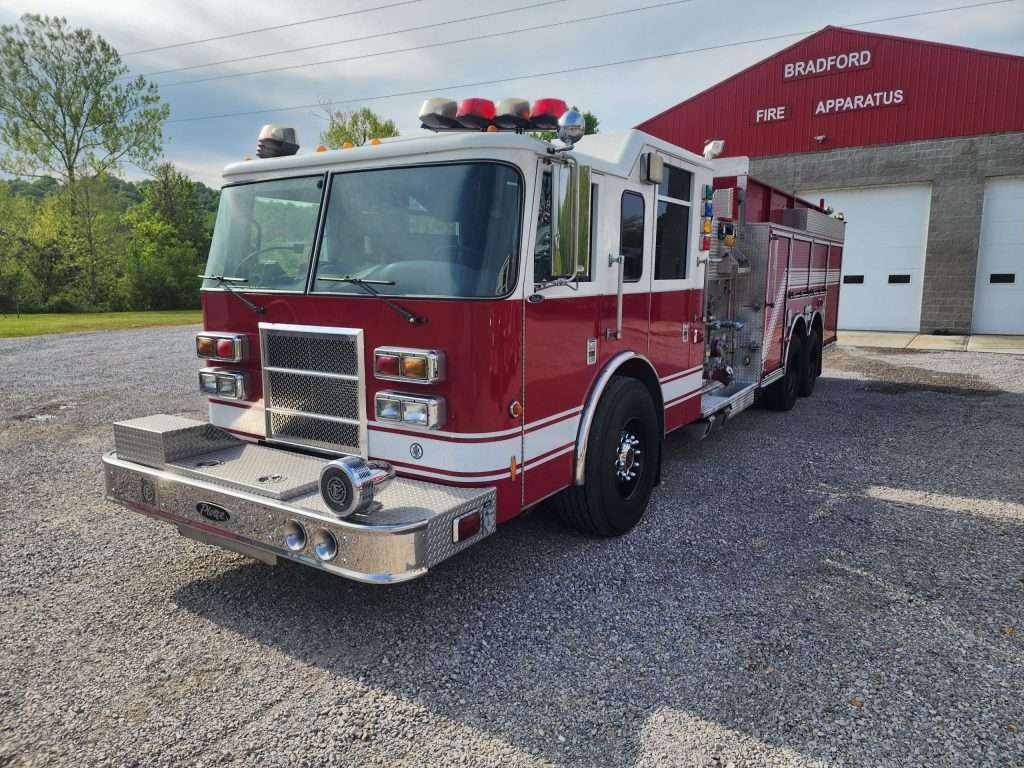
Understanding Your Specific Needs Before You Buy
Before you even start browsing listings, you must have a crystal-clear understanding of what you need the truck to do. A used fire tanker truck that’s perfect for a rural district with limited hydrants will have very different specifications than one needed for industrial support or airport crash rescue.
Assessing Your Primary Mission
Ask yourself these key questions:
- Water Capacity: What is the minimum tank size required for your typical response area? Rural departments often need 2,000 to 3,000 gallons or more.
- Pump Capacity: Does your operation require a high-volume pump (e.g., 1,250 GPM or higher) for relay operations, or will a standard 1,000 GPM pump suffice?
- Chassis and Drivetrain: Will you be navigating steep terrain, requiring a robust engine and reliable braking system? Is a 4×4 configuration necessary?
- Compartment Space: Do you need ample storage for hose, equipment, and foam systems?
Creating a detailed specification sheet based on these answers will save you countless hours and prevent you from being swayed by a truck that doesn’t fit your core mission.
Where to Find Reliable Listings for Used Fire Apparatus
The marketplace for used firefighting vehicles is specialized. While general commercial truck sites exist, focusing on dedicated platforms increases your chances of finding a well-maintained unit.
- Specialized Fire Apparatus Dealers: Reputable dealers often take units on trade-in, perform necessary refurbishments, and offer warranties. They are a great source for vetted trucks.
- Municipal & Government Surplus Auctions: Cities and counties frequently sell apparatus through official surplus channels. These trucks often come with detailed maintenance records.
- Industry Publications and Websites: Publications dedicated to fire service have classified sections listing trucks from departments selling directly.
- Direct from Manufacturers: Some manufacturers, including global industrial vehicle suppliers like Chinese Truck Factory, offer certified pre-owned or refurbished models, providing a newer option with factory-backed assurance.
The Critical Inspection: A Step-by-Step Checklist
Never buy a used tanker fire truck sight unseen. A thorough, multi-level inspection is non-negotiable. If your department lacks a certified mechanic with fire apparatus experience, hire one. The cost is minimal compared to a catastrophic failure.
Chassis, Engine, and Drivetrain
Start with the fundamentals. Check for fluid leaks (oil, coolant, transmission), inspect the condition of belts and hoses, and listen for unusual noises during a cold start. Review the engine hour meter and odometer. According to data from the National Fire Protection Association (NFPA), apparatus maintenance records are a stronger indicator of longevity than mileage alone. Request all service logs.
Tank and Pump System Integrity
This is the heart of the truck. Inspect the water tank internally for corrosion, cracks, or previous repairs. Check all baffles. For the pump, operate it at all rated pressures and flows. Look for leaks around the seals and gauges. “A pump that hasn’t been properly exercised and maintained can have hidden corrosion or wear,” notes John Carlson, a former fire chief and apparatus specialist with over 25 years of experience. “A full pump test is worth its weight in gold.”
Body, Compartments, and Safety Features
Check for rust, especially in door seams and around compartment drains. Ensure all doors and latches function smoothly. Test all lighting—emergency, scene, and headlights. Verify that all NFPA 1901 safety features applicable to the truck’s year are present and functional, including seat belts, roll stability control, and breathing apparatus mounts.

Comparing Top Models and Common Configurations
Understanding common models helps in evaluation. Below is a comparison of typical configurations found on the used market.
| Configuration | Best For | Typical Tank Size | Key Considerations |
|---|---|---|---|
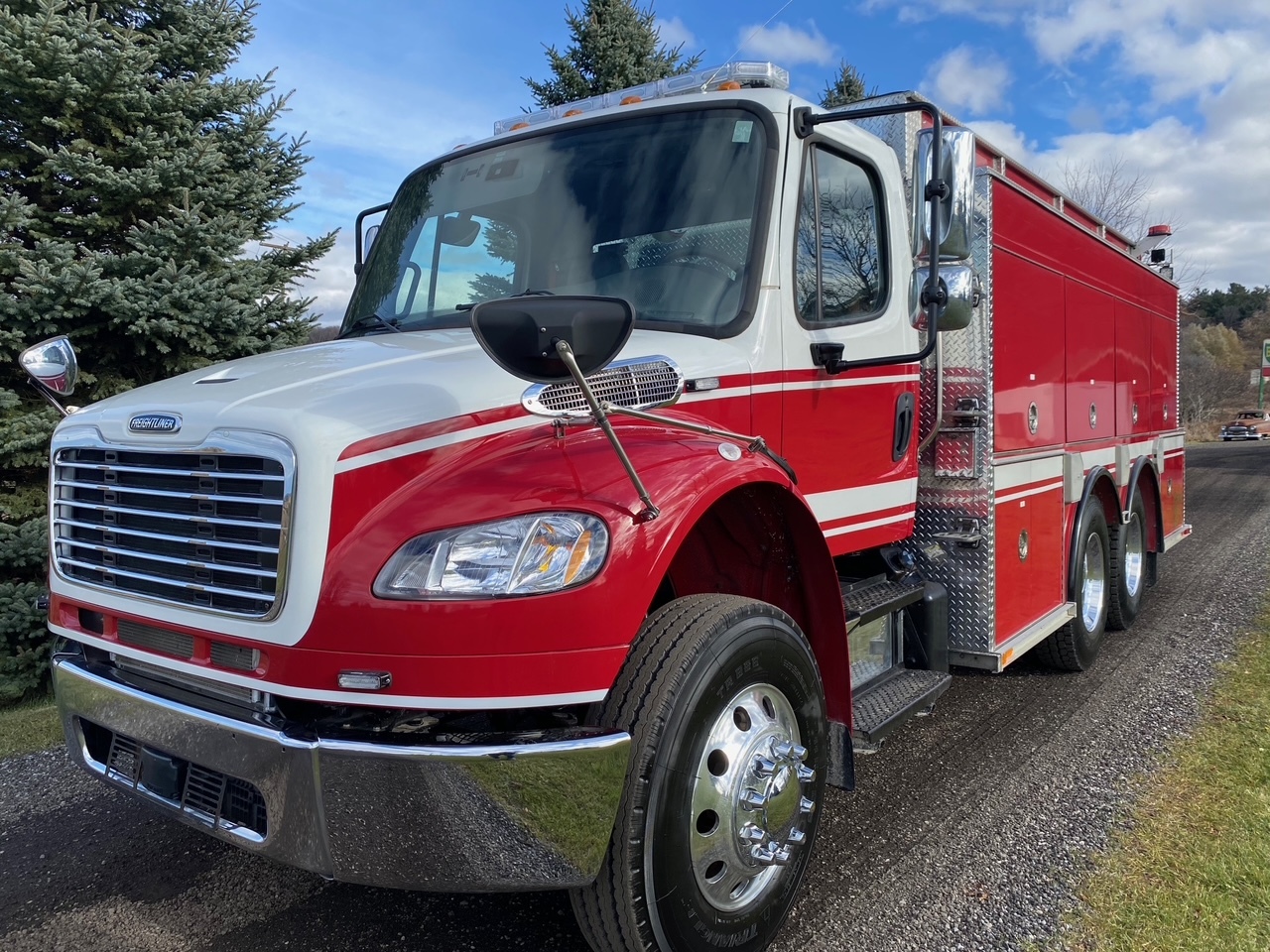
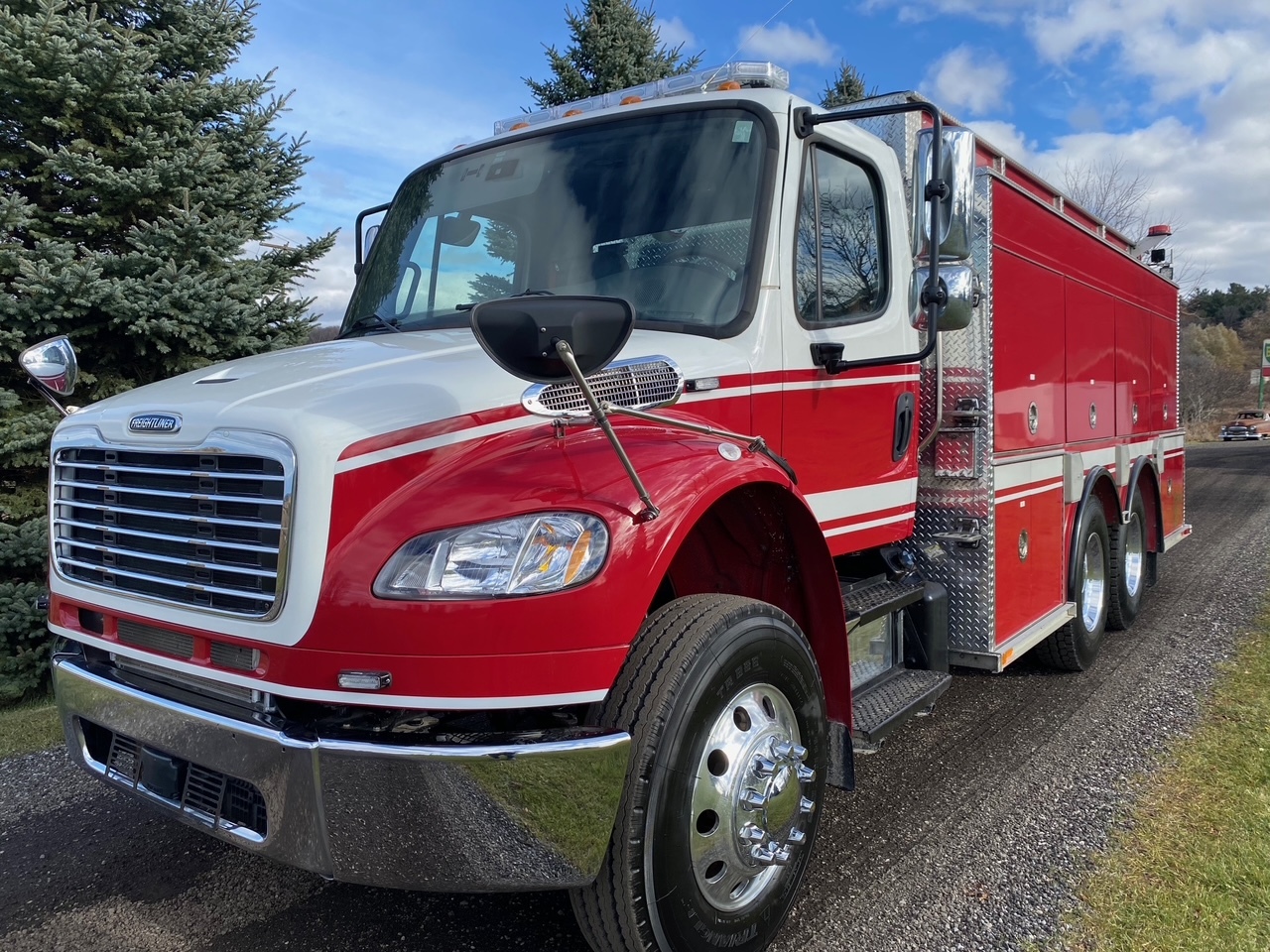
| Commercial Chassis Tanker | Budget-conscious departments, industrial use | 1,500 – 3,000 gal | Often built on a Freightliner or International chassis. Lower initial cost, but ensure the chassis is rated for the tank weight. |
| Custom Chassis Tanker/Pumper | Municipal departments with dual roles | 1,000 – 2,000 gal | Built on a Pierce, Seagrave, or E-ONE chassis. Higher build quality, better compartmentation, but at a premium price. |
| Tender (Water Shuttle) | Rural areas with no hydrants | 3,000+ gal | Maximizes water transport. Look for fast-dump valves (1,000+ GPM) and a sturdy, simple design. |
Negotiation and Finalizing the Purchase
Once you’ve identified the right used tanker fire truck, approach the negotiation professionally. Use the findings from your inspection as leverage for price adjustment or required repairs. Key steps include:
- Secure Financing First: Know your budget and have pre-approval if needed.
- Request a Formal Sale Contract: The contract should include the VIN, final price, any warranties (even 30-day), and a list of items promised to be repaired before delivery.
- Plan for Delivery and Compliance: Factor in the cost of delivery, finalizing registration, and ensuring the vehicle meets your state’s specific DOT requirements. A 2022 report by the U.S. Fire Administration emphasizes the importance of a formal acceptance process, including a final operational check upon delivery.
Frequently Asked Questions
Q: What is the typical lifespan of a well-maintained used tanker fire truck?
A: With rigorous maintenance, a quality used fire apparatus can have a service life of 20-30 years. The chassis and pump are the most critical longevity factors. Many departments successfully run trucks that are 25+ years old for water shuttle and support roles.
Q: How important are NFPA standards for a used truck?
A: It’s crucial. NFPA standards, especially NFPA 1901, define safety and performance benchmarks. While a used truck may not meet the latest edition, knowing which standard it was built to is vital for understanding its capabilities and identifying any necessary safety upgrades.
Q: Should I consider an apparatus from a different region of the country?
A: Yes, but be mindful of environmental factors. Trucks from the “Salt Belt” (northern US/Canada) may have significant underside corrosion. Trucks from arid regions may have sun-damaged hose and seals but less rust. A thorough inspection is even more critical in these cases.
Q: Can I upgrade an older used tanker pumper?
A: Absolutely. Common upgrades include adding new lighting (LED), updating pump controls, installing a compressed air foam system (CAFS), or refurbishing compartments. Work with a reputable apparatus builder to get quotes for this work before purchase to understand the total investment.
Making Your Final Decision
Purchasing the best used tanker fire trucks for sale is a balance of objective analysis and practical needs. There is rarely a “perfect” truck, but there is a “right” truck for your department. By meticulously defining requirements, sourcing from reputable channels, conducting a forensic-level inspection, and negotiating smartly, you can add a dependable, mission-ready piece of apparatus to your fleet. This vehicle will become a trusted partner in protecting your community, proving that with diligence, value and reliability can absolutely be found on the pre-owned market.
Article Sources & Further Reading:
- National Fire Protection Association (NFPA). NFPA 1901: Standard for Automotive Fire Apparatus. https://www.nfpa.org/1901
- U.S. Fire Administration (USFA). Apparatus Purchasing and Maintenance. https://www.usfa.fema.gov/
- Fire Department Safety Officers Association (FDSOA). Apparatus Specification & Safety. https://www.fdsoa.org/