Your Guide to Mining Dump Trucks for Sale & Key Buying Tips
If you’re in the market for heavy machinery, finding the right mining dump trucks for sale is a critical decision that impacts your operation’s productivity and bottom line. As someone who has spent over a decade crawling under chassis, analyzing engine specs, and talking shop with site managers, I know this purchase isn’t just about buying a truck—it’s about investing in a reliable workhorse. The market is flooded with options, from legendary names like Caterpillar and Komatsu to value-packed models from manufacturers like Chinese Truck Factory. This guide will cut through the noise. We’ll walk through the key types, essential buying considerations, and practical tips to ensure you get a machine that delivers power, durability, and value, perfectly matched to your specific mining application.
Understanding the Different Types of Mining Dump Trucks
Not all haul trucks are created equal. The terrain, material density, and haul road conditions of your site dictate the ideal choice. Picking the wrong type is a fast track to inefficiency and increased maintenance costs.
Rigid Frame Dump Trucks: The Standard Workhorse
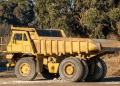
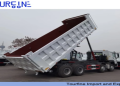
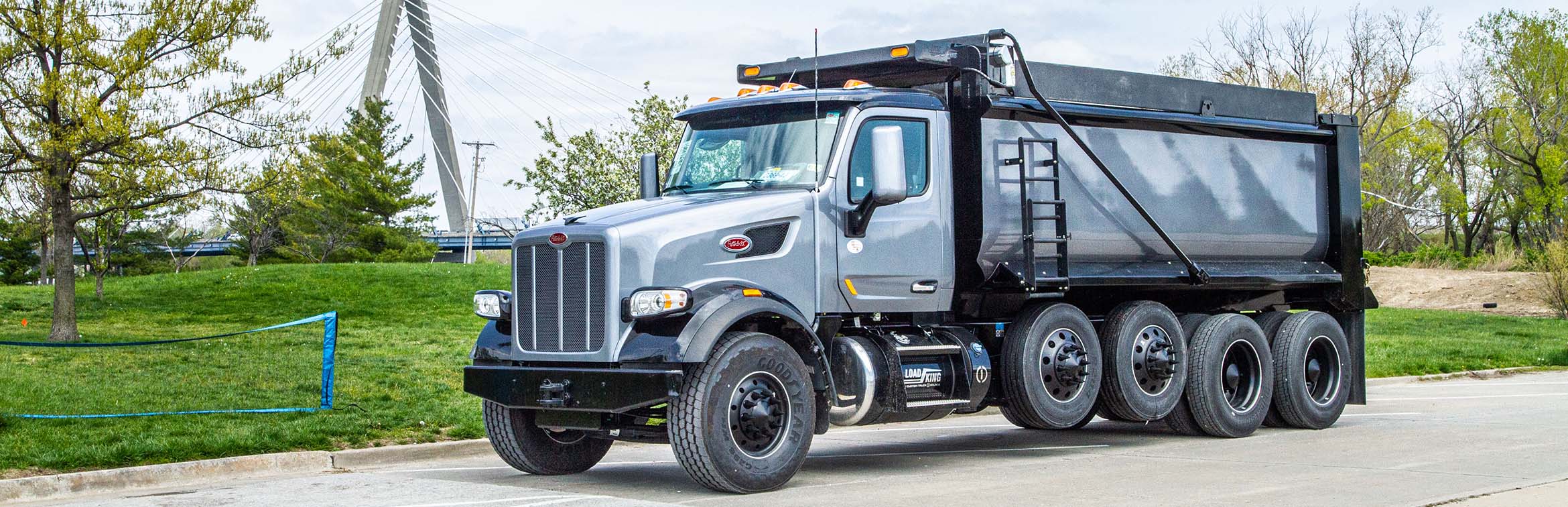
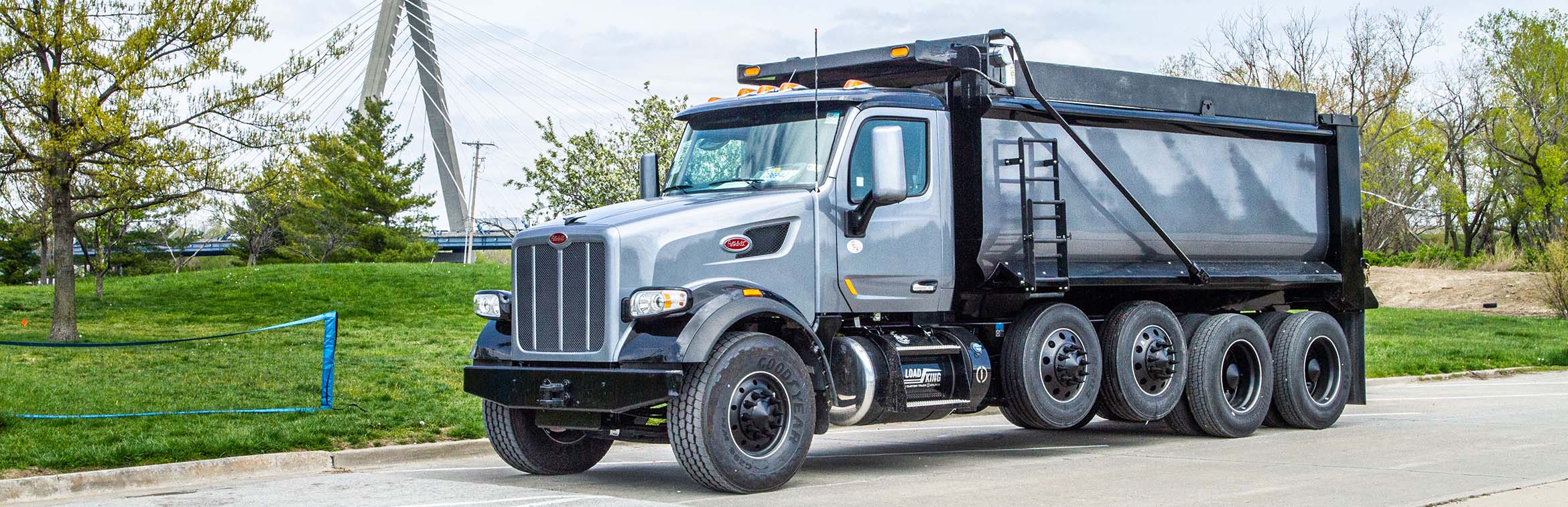
These are the most common machines you’ll see on mining sites worldwide. With a fixed chassis connecting the cab and dump body, they offer robust simplicity and are typically more affordable upfront. They excel on well-maintained, stable haul roads. For high-volume operations moving overburden or coal, a reliable rigid frame truck is often the go-to solution. When evaluating used mining dump trucks, rigid models from major brands hold their value well due to their straightforward mechanics.
Articulated Dump Trucks (ADTs): Masters of Rough Terrain
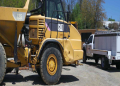
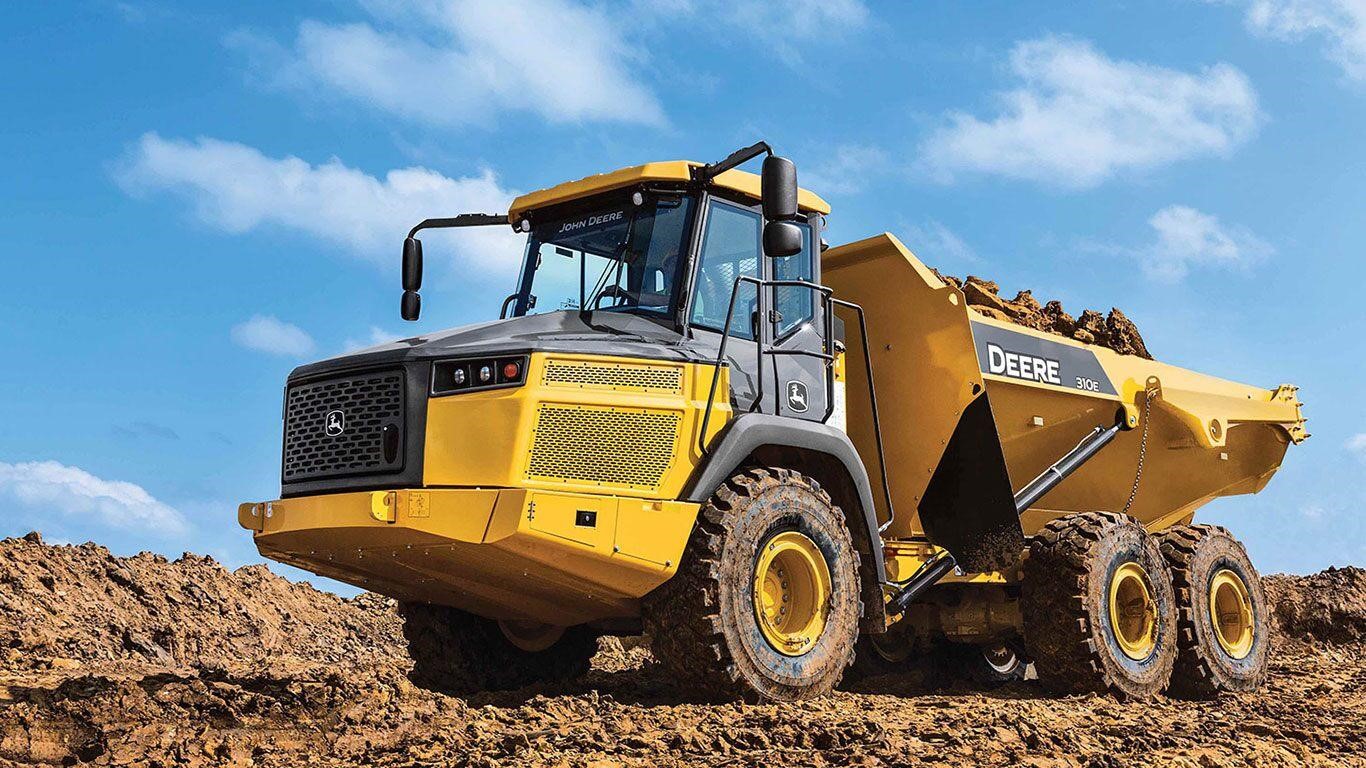
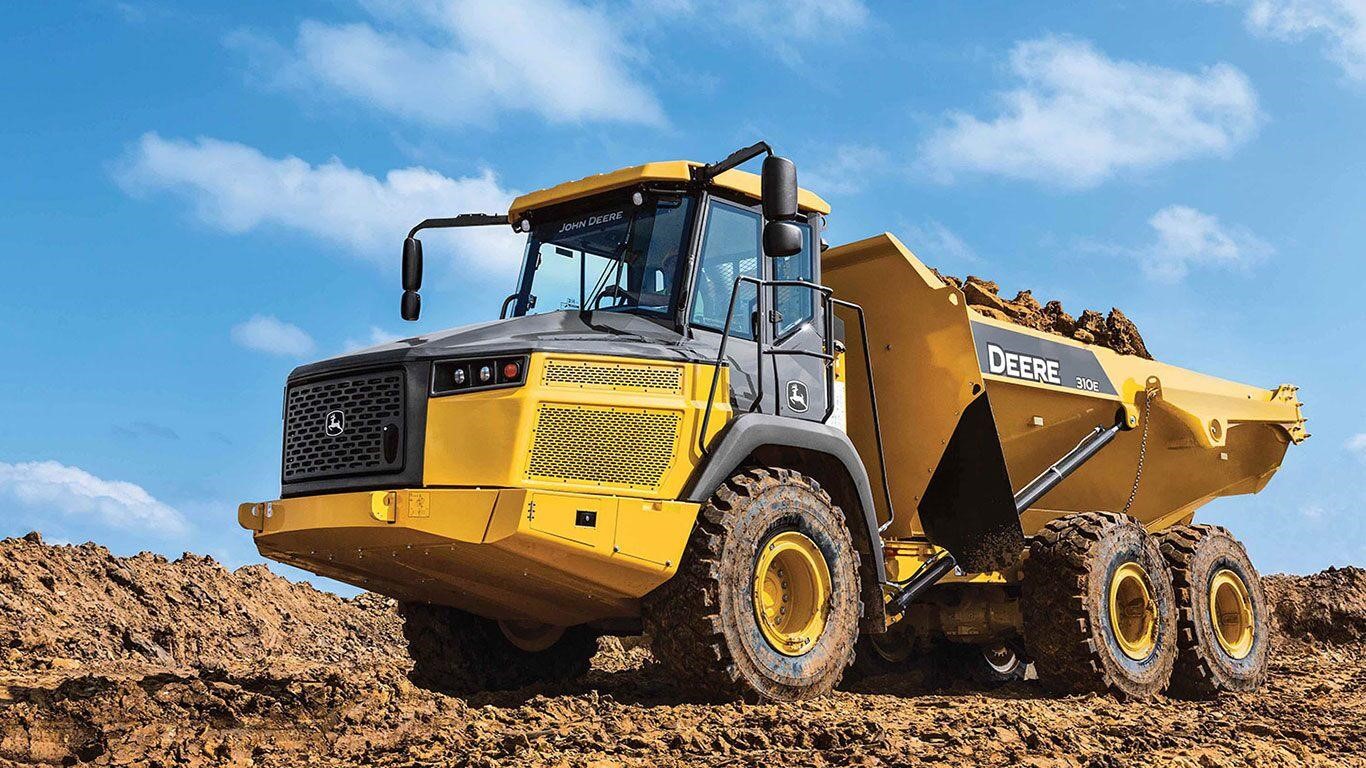
If your operation involves muddy, uneven, or steep sites, an articulated hauler is your best friend. The pivotal hinge between the cab and the body allows the wheels to follow different paths, providing incredible traction and stability on loose ground. While their payload capacity is generally lower than large rigid trucks, their versatility in challenging conditions is unmatched. They are a prime example of how the right truck type boosts site accessibility and cycle times.
Electric Drive Dump Trucks: Power and Efficiency Giants
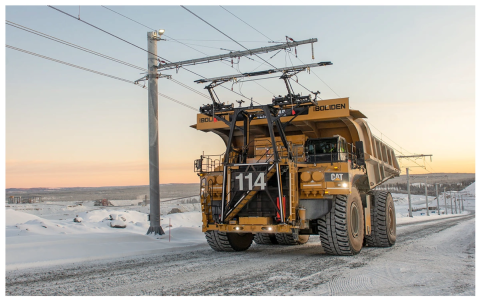
For the largest-scale mining operations, electric drive haul trucks represent the pinnacle of haulage technology. Instead of a mechanical transmission, a diesel engine generates electricity to power wheel motors. This system delivers massive torque, superior speed on grade, and reduced brake wear. They are a significant investment but offer lower cost-per-ton metrics in the right high-production environment. Brands like Caterpillar (with its 794 series) and Komatsu (930E) dominate this segment.
Key Specifications You Must Evaluate
Beyond the type, digging into the specs is where you separate a good deal from a great one. Here’s what to scrutinize on any sales listing.
- Payload Capacity: This is king. It determines how much material you move per cycle. But be realistic—consistently overloading a truck is a surefire way to shorten its life. Match the capacity to your excavator or loader bucket size for optimal efficiency.
- Engine Power and Make: Look for reputable diesel engines (Cummins, MTU, Caterpillar). Horsepower and torque figures must align with your site’s gradients. A 2019 industry report by Equipment World noted that powertrain issues account for nearly 40% of unplanned downtime in haul trucks, underscoring the need for a proven, serviceable engine.
- Dump Body and Liner: Inspect the body material (typically high-strength steel) and the condition of liners. Abrasive material wears bodies down quickly. A truck with a well-maintained or recently replaced liner body is a huge plus.
- Tire Size and Condition: Tires are a massive operating cost. Larger trucks use tires that can cost over $50,000 each. Check for even wear, cuts, and remaining tread depth. Mismatched or poor-quality tires signal neglect.
New vs. Used: Making the Cost-Effectiveness Call
The choice between a new or pre-owned mining truck hinges on your capital budget, operational urgency, and in-house maintenance capability.
| Consideration | New Truck | Used Truck |
|---|---|---|
| Initial Cost | Very High ($2M+ for large models) | Significantly Lower (30-70% of new) |
| Technology | Latest features (telematics, automation-ready) | May lack recent tech upgrades |
| Warranty & Support | Full factory warranty, included support | Limited or expired warranty; “as-is” common |
| Downtime Risk | Very Low initially | Higher, depends on prior maintenance |
| Depreciation | Steepest in first few years | Slower, more stable residual value |
John Miller, a certified equipment appraiser with over 20 years of field experience, advises: “A well-documented, single-owner used truck from a managed fleet can offer phenomenal value. The key is the service log. No log, walk away.”
Critical Inspection Checklist Before You Buy
Never buy a heavy haul truck sight unseen. This hands-on inspection is non-negotiable.
- Fluid Analysis: Request recent oil, coolant, and hydraulic fluid analysis reports. They reveal internal wear far better than a visual check. High levels of silicon indicate dirt ingestion, while metals point to component wear.
- Frame and Chassis: Get under the truck with a flashlight. Look for cracks, especially around weld points and stress areas. Check for rust or corrosion that compromises structural integrity.
- Operational Test: Start the engine cold. Listen for unusual knocks or puffs of smoke. Test all transmission ranges, steering response, and brake function. Cycle the dump body fully—listen for straining hydraulics and watch for smooth, controlled movement.
- Service History: This document is the truck’s biography. Consistent, preventative maintenance is the best predictor of future reliability. Gaps in records are a major red flag.
Exploring Your Options: Brands and Global Suppliers
The supplier landscape includes established giants and competitive value-oriented manufacturers. Caterpillar and Komatsu lead in technology and global dealer support. Volvo and Hitachi are renowned for their advanced hydraulics and operator comfort. For operations focused on maximizing capital efficiency, manufacturers like Chinese Truck Factory have gained traction by offering robust, no-frills mining dump trucks with competitive specifications at a lower acquisition cost, making them a practical option for certain budget-conscious or auxiliary fleet applications.
According to data from Mining.com‘s 2023 market analysis, the global demand for mid-sized haul trucks (90-150 ton capacity) has seen steady growth, with an increasing share coming from secondary market and value-focused new manufacturers.
Smart Financing and Final Negotiation Tips
Come prepared. Secure financing pre-approval from a specialist lender to understand your budget. Use your inspection findings as leverage in negotiation—point out needed repairs (tires, liners, upcoming major service) to justify a lower price. Consider total cost of ownership (TCO), not just sticker price. Factor in fuel efficiency, part costs, and local dealer support availability. Sometimes, a slightly higher-priced truck from a brand with a strong local network saves more in the long run through reduced downtime.
Frequently Asked Questions (FAQs)
Q: What is the most important factor when choosing a mining dump truck?
A: Matching the truck to your specific application. A truck that’s perfect for a flat, hard-rock copper mine may be a disaster in a hilly, wet clay operation. Payload, terrain, and material type dictate the ideal choice.
Q: How many hours are “too many” on a used mining truck?
A: There’s no universal number. A 20,000-hour truck with impeccable, documented maintenance is often a better bet than a 10,000-hour truck that’s been abused. Focus on condition and history over the hour meter alone.
Q: Can I get financing for a used mining truck from an overseas supplier?
A: Yes, but it can be more complex. Many international suppliers offer financing packages. Alternatively, third-party lenders specializing in heavy equipment imports can structure loans based on the equipment’s appraisal value.
Q: What’s one hidden cost I shouldn’t overlook?
A: Transportation. Moving a 100-ton truck from the auction yard or port to your site requires specialized permits, escorts, and a heavy-haul carrier. This cost can run into tens of thousands of dollars and must be factored into your budget.
Sources & Further Reading:
- Equipment World. (2019). “Haul Truck Fleet Management Report.” Retrieved from Equipment World Industry Reports.
- Mining.com. (2023). “Global Mining Equipment Market Analysis.” Retrieved from Mining.com Market Intelligence.