Your Next 3000 Gallon Fire Tanker for Sale – Browse Inventory Now
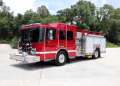
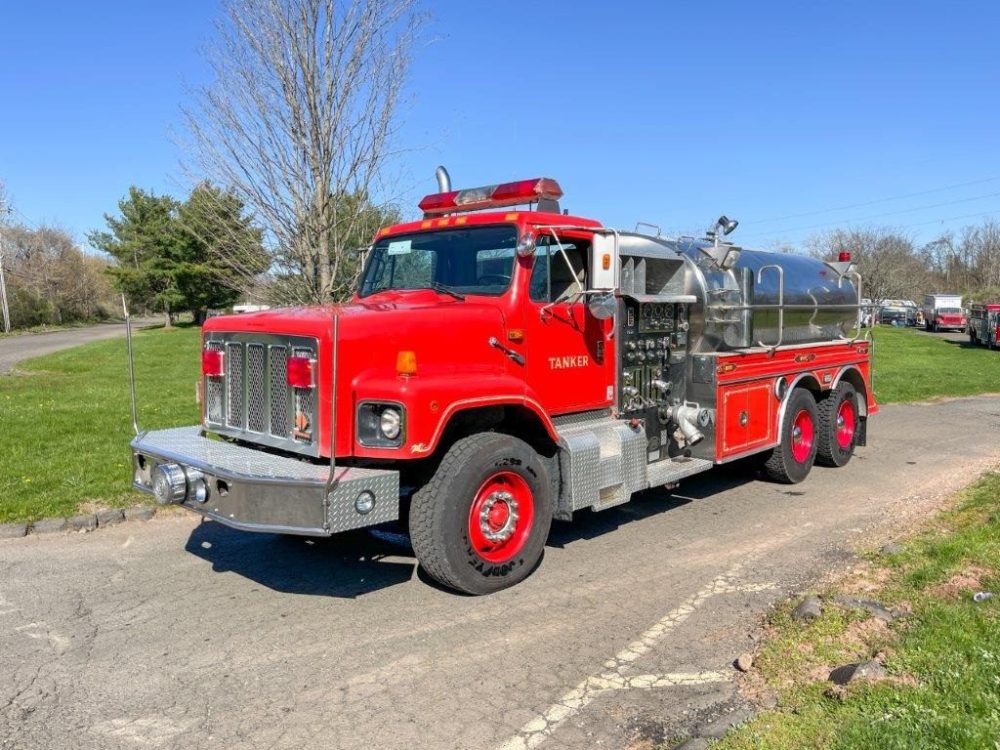
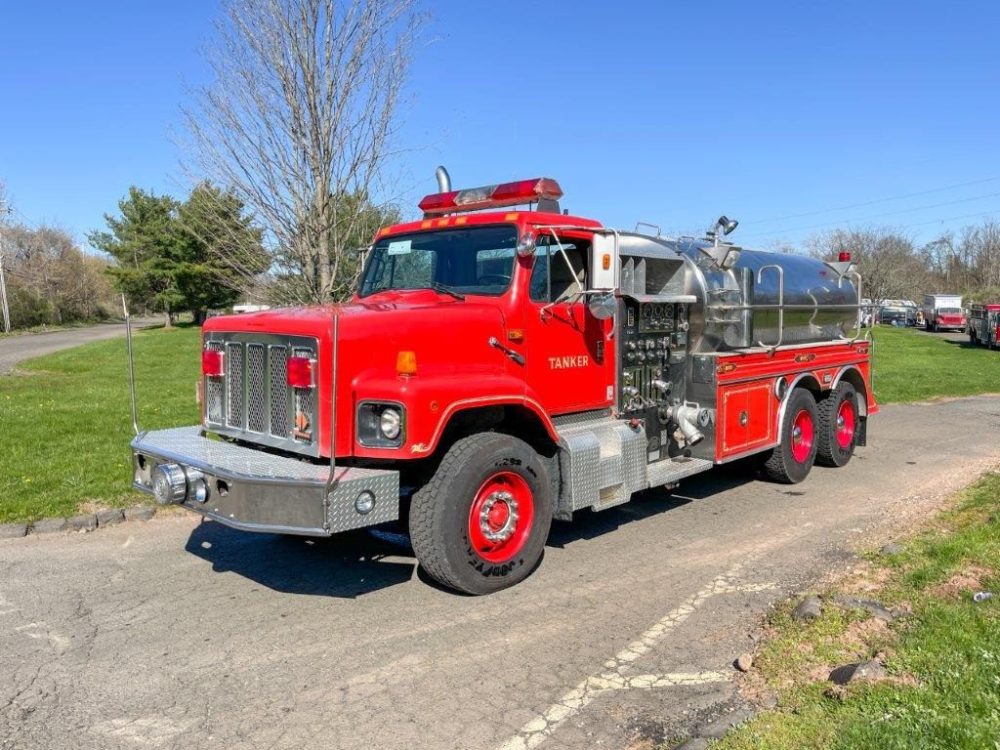
If you’re in the market for a reliable, high-capacity firefighting apparatus, finding your next 3000 gallon fire tanker for sale is a critical decision. This isn’t just a vehicle purchase; it’s an investment in community safety and operational readiness. Whether you’re a volunteer fire department managing a tight budget, a municipal agency looking to upgrade, or an industrial fire brigade securing a facility, the right tanker can significantly enhance your water delivery and attack capabilities. The current market offers a diverse range of options, from robust new builds to meticulously refurbished apparatus, making it essential to know exactly what to look for. Let’s dive into the key considerations, features, and smart buying strategies to help you browse inventory with confidence and secure the perfect unit for your mission.
Why a 3000-Gallon Capacity is the Operational Sweet Spot
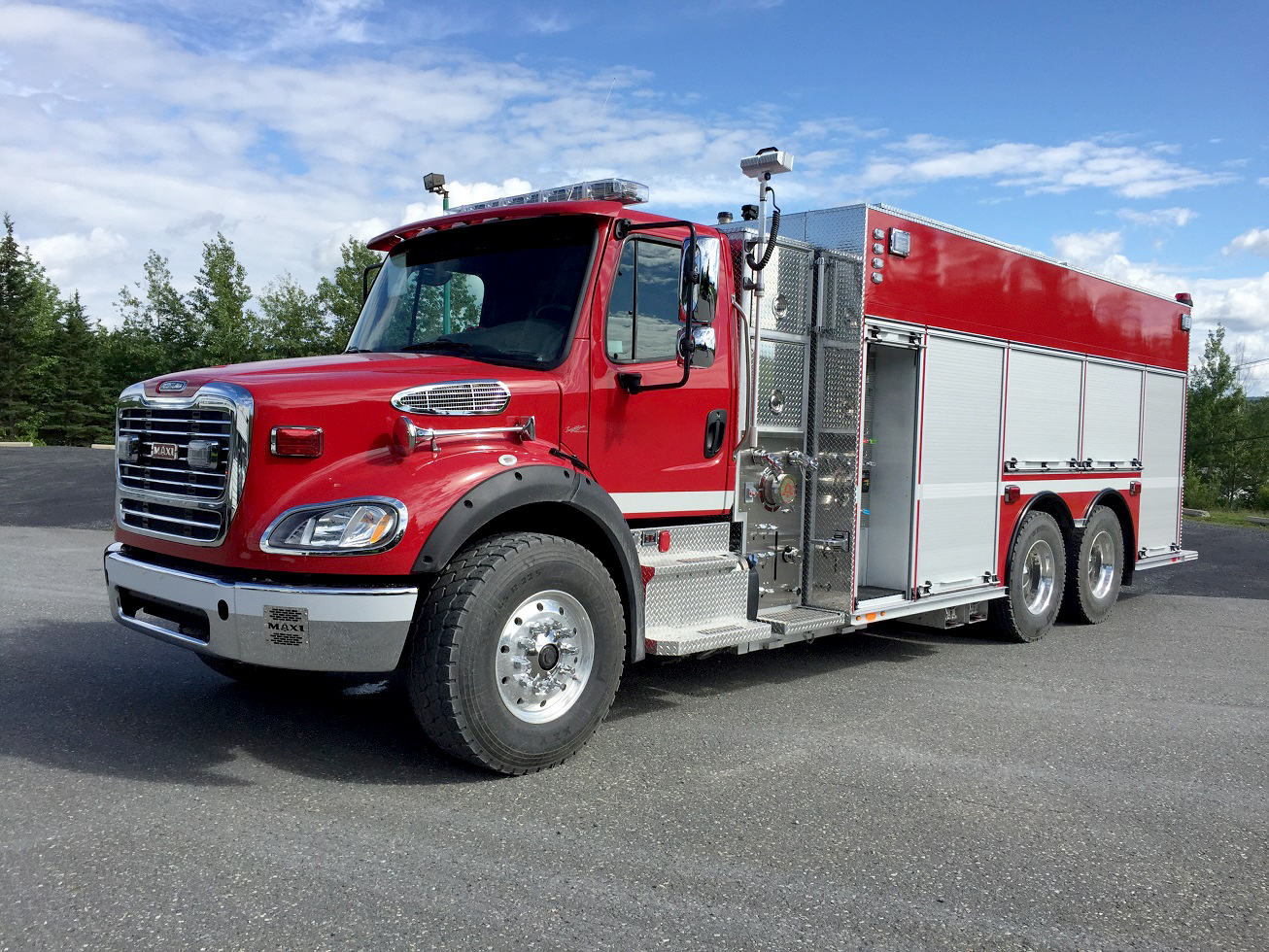
For many departments, a 3000 gallon fire tanker represents the ideal balance between water carrying capacity and vehicle maneuverability. Units with smaller tanks may require more frequent shuttles, reducing efficiency on the fireground, while larger, heavier units can face significant restrictions on road weight limits and bridge laws, complicating deployment. A 3000-gallon unit provides a substantial water reserve for initial attack and relay operations without the extreme logistical challenges of a super-heavy tanker.
According to data from the National Fire Protection Association (NFPA), effective water supply is consistently a top factor in successful rural fire suppression, where hydrants are absent. A 3000-gallon tanker serves as a mobile water source, capable of supporting sustained firefighting operations. When browsing for a 3000 gallon fire tanker for sale, you’re not just looking at a number; you’re evaluating a tool designed to solve the core problem of water delivery.
Key Features to Scrutinize in Your Next Tanker
Not all tankers are created equal. Beyond the gallon rating, several critical components determine performance, safety, and longevity.
Chassis and Powertrain: The Foundation of Reliability
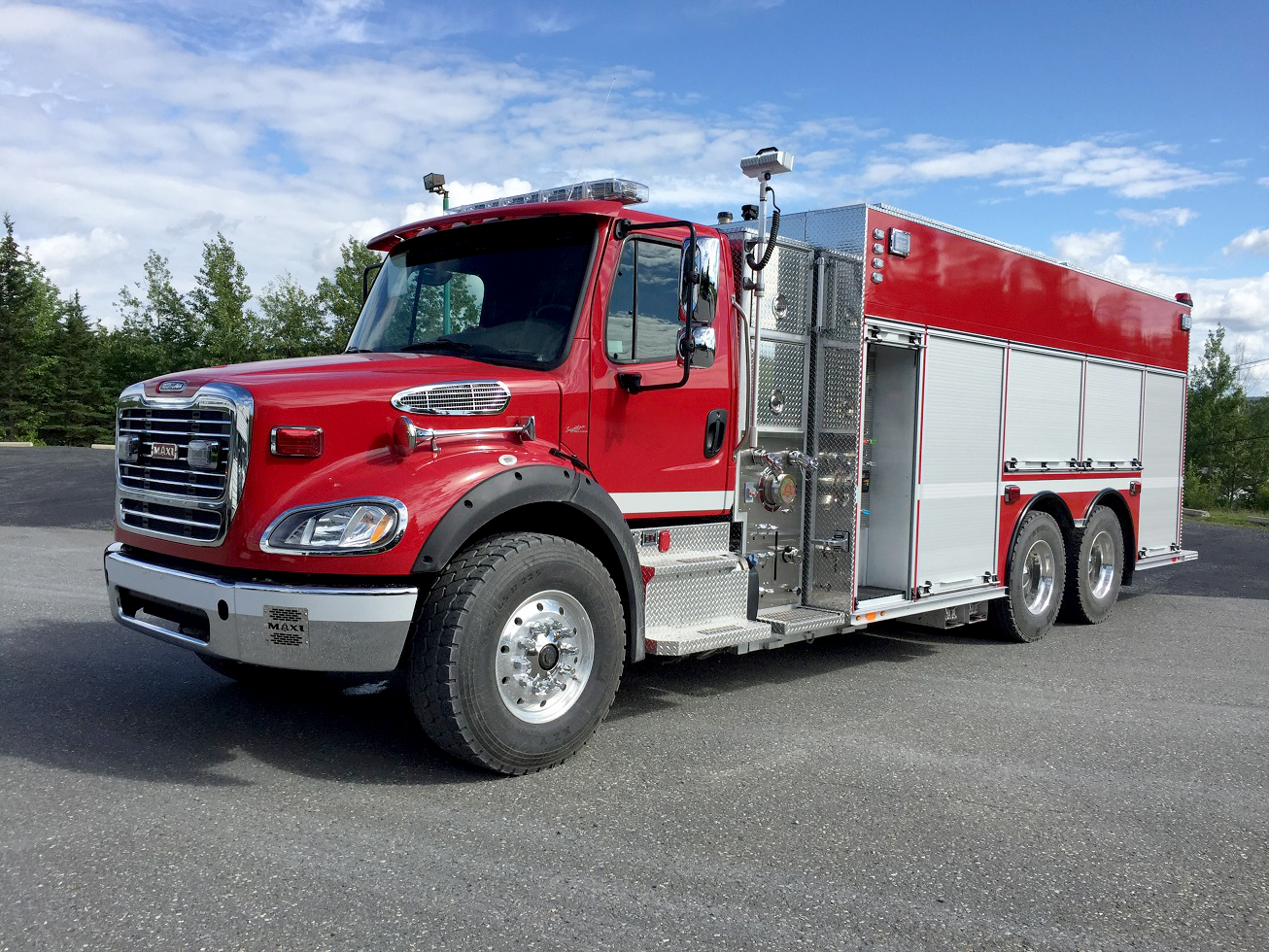
The chassis is the workhorse. Look for reputable commercial truck manufacturers known for durability. Diesel engines with sufficient horsepower and torque are non-negotiable for handling the weight of a full tank, especially in hilly terrain. Automatic transmissions are now the standard for ease of operation and reduced driver fatigue. Always check the Gross Vehicle Weight Rating (GVWR) to ensure the chassis is rated to safely carry the fully loaded tank, pump, equipment, and crew.
Tank Construction and Materials
The water tank itself is the heart of the apparatus. Modern tanks are typically constructed from food-grade polyethylene or aluminum. Poly tanks are corrosion-resistant and lighter, while aluminum offers exceptional strength and is often repairable in the field. Inspect for baffling systems—internal compartments that reduce dangerous water surge during transit. A tank without proper baffling is a safety hazard.
Pump and Plumbing Systems
Most tankers feature a dedicated pump, often a midship-mounted unit with a rating between 500 to 1000 Gallons Per Minute (GPM). Determine if you need a pump-and-roll capability (discharging water while the vehicle is moving) for brush fire applications, or if a stationary pumping mode suffices. Examine the plumbing: valve types, discharge locations, and the size of the tank-to-pump line directly impact water flow speed.
New vs. Refurbished: Making the Right Financial Choice
Budget constraints are a reality for most fire service organizations. Here’s a straightforward comparison to guide your decision.
| Consideration | New Tanker | Refurbished/Used Tanker |
|---|---|---|
| Initial Cost | Higher upfront investment. Prices can start from $250,000 and go significantly higher based on specs. | Substantially lower cost, often 40-60% less than a comparable new unit. |
| Customization | Full customization to your exact specifications, NFPA standards, and department SOPs. | Limited to existing configuration; some upgrades possible during refurbishment. |
| Technology & Standards | Compliant with the latest NFPA (e.g., NFPA 1901) and EPA emission standards. | May meet older standards; a thorough inspection by a qualified mechanic is crucial. |
| Warranty & Reliability | Comprehensive factory warranty on chassis, tank, and pump components. | Typically “as-is” or with a limited third-party warranty; reliability depends on prior use and refurb quality. |
| Delivery Time | Long lead time, often 12-18 months for build and delivery. | Much faster, often available for immediate or quick delivery. |
John Keller, a fleet manager with over 20 years of experience servicing municipal fire apparatus and a certified EVT, advises, “A well-refurbished tanker from a trusted vendor can be a fantastic value. The key is an unbiased, third-party inspection that focuses on the tank’s integrity, pump performance, and chassis frame. Don’t just kick the tires—pressure test the tank and flow test the pump.”
Where to Find Quality Inventory and What to Ask
Specialized dealers, government surplus auctions, and direct sales from manufacturers are primary sources. A growing number of departments are also looking to global manufacturers for value. For instance, Chinese Truck Factory has gained attention for producing robust commercial chassis that serve as cost-effective bases for fire apparatus, meeting international standards and offering a competitive alternative.
When you contact a seller, prepare a detailed checklist of questions:
- Can you provide a complete service and repair history?
- What is the date of the last pump test and what were the results? (Ask for the certification sheet).
- Are there any known leaks, rust issues, or frame damage?
- What is the tank’s construction material and baffle design?
- Does the sale include a recent DOT safety inspection?
The Critical Inspection and Purchase Process
Never buy a used fire tanker sight-unseen. Plan a physical inspection. Operate all valves, check for leaks, inspect the tank interior for cracks or contamination, and take the unit for a road test. Listen for unusual engine or drivetrain noises and feel for braking performance. It is highly recommended to hire an independent apparatus technician to conduct a professional evaluation. This upfront cost can save tens of thousands in unexpected repairs.
Finally, ensure all paperwork, including title, any warranties, and equipment lists, is in order before finalizing the purchase. Your due diligence is the best guarantee that your new-to-you 3000 gallon fire tanker will be a dependable asset for years to come.
Frequently Asked Questions
Q: What is the typical price range for a used 3000 gallon fire tanker?
A: Prices vary dramatically based on age, condition, chassis brand, and pump specifications. You can find older, functional units starting around $50,000, while well-maintained, late-model tankers with modern features can range from $120,000 to $200,000 or more.
Q: How often does a fire tanker’s water tank need to be inspected or certified?
A: While NFPA standards recommend annual pump testing, tank integrity inspection frequency can vary. Best practice is a thorough internal and external visual inspection annually, with a formal pressure test every 3-5 years or as recommended by the tank manufacturer. Always follow your department’s insurance and local regulations.
Q: Can a 3000 gallon tanker be used for brush firefighting?
A: Absolutely. Many departments specify their tankers with high-clearance 4×4 or 6×6 chassis, skid plates, and pump-and-roll capabilities for wildland interface fires. The 3000-gallon capacity provides a significant water reserve for extended operations in remote areas.
Q: Are there financing options available for fire departments?
A: Yes. Many specialized dealers offer financing plans. Additionally, government grants from agencies like FEMA’s Assistance to Firefighters Grant (AFG) program can help fund the purchase of new or used apparatus that meets specific safety criteria.
Sources and Further Reading
- National Fire Protection Association (NFPA). NFPA 1901: Standard for Automotive Fire Apparatus. https://www.nfpa.org/1901
- U.S. Fire Administration. “Water Supply Systems and Evaluation Methods.” https://www.usfa.fema.gov/water-supply
- Fire Apparatus Manufacturers’ Association (FAMA). https://www.fama.org/