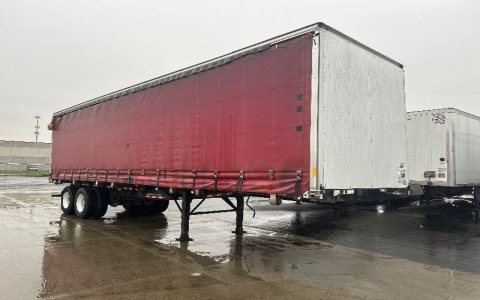
Your Search Ends Here: Quality Owner-Sold Used Semi Trailers
For anyone in the trucking business, the hunt for a reliable used semi trailer can feel endless. You’re scrolling through countless listings from dealerships, wondering about hidden costs, repair histories, and whether you’re truly getting a fair deal. If this sounds familiar, take a deep breath. Your search ends here. This guide is dedicated to uncovering the undeniable advantages of sourcing quality owner-sold used semi trailers. We’ll cut through the noise, compare your options, and provide the clear, actionable advice you need to make a confident purchase directly from an owner.
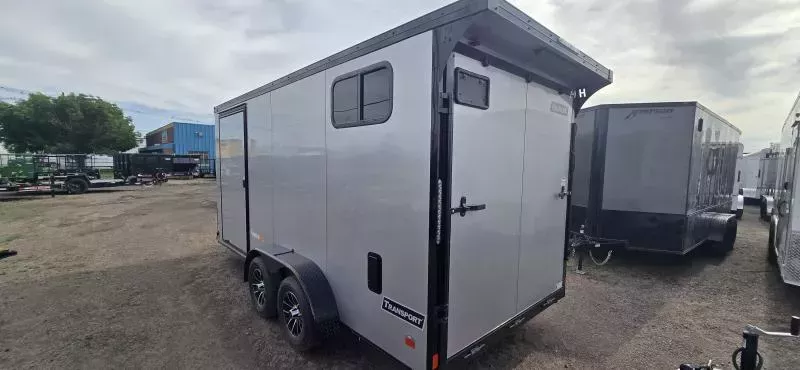
Why Owner-Sold Trailers Often Represent Superior Value
When you buy a used semi trailer from a large dealership, you’re paying for more than just the equipment. Their overhead—fancy lots, sales commissions, corporate profits—gets factored into the price. An owner-operator or a small fleet selling their asset has a different motivation: to recoup value from a well-maintained piece of equipment and move on. This fundamental difference creates several key benefits for you, the buyer.
First, pricing is typically more negotiable and transparent. Owners are not bound by corporate pricing floors. Second, you often get a more honest maintenance story. An owner who relied on that trailer for their livelihood likely addressed issues promptly, whereas a dealer’s history might be a black box. Finally, you’re dealing directly with the person who knows every creak and groan of the unit, which leads to better insight than any sales brochure.
The Critical Inspection Checklist for Owner-Sold Units
Buying direct requires due diligence. Don’t worry; it’s straightforward if you’re systematic. Before you even go look at a trailer, ask for all maintenance records. Then, on-site, follow this essential checklist:
- Structural Integrity: Focus on the frame rails, crossmembers, and landing gear for cracks, bends, or extensive rust scaling. Tap areas with a hammer; solid metal rings, corroded metal thuds.
- Floor & Walls: For dry vans and reefers, inspect the interior floor for soft spots, rot, or excessive wear. Check panel integrity and door seals.
- Running Gear: Examine tires for date codes and even wear. Check brake linings, drums, and air lines. Jack up the axle and spin the wheels to listen for bearing noise.
- Functional Components: Test all lights, door mechanisms, and air system connections. For refrigerated trailers, insist on a pre-purchase inspection of the refrigeration unit by a certified technician.
As veteran trucker and certified commercial vehicle inspector, Mike Rawson (with over 30 years of road experience), puts it: “An owner who hesitates to let you do a thorough inspection or can’t produce basic service records is a major red flag. A legitimate seller understands your need to verify condition.”
Owner vs. Dealer: A Side-by-Side Comparison
To visualize the trade-offs, let’s break down the key differences between buying a used semi trailer from a private owner versus a dealership.
| Consideration | Owner-Sold Used Semi Trailer | Dealer-Sold Used Semi Trailer |
|---|---|---|
| Price | Generally lower; more room for negotiation. | Higher; includes dealer markup and overhead. |
| Known History | Direct knowledge from the user; often detailed maintenance logs. | Often limited or unknown; may rely on a basic safety inspection. |
| Inspection Access | Typically full, unrestricted access to the unit. | May be limited by lot logistics or policy. |
| Warranty/Support | Usually sold “as-is, where-is.” | May offer a short-term limited warranty or service package. |
| Transaction Process | Direct, person-to-person. Requires more legwork on title transfer. | Streamlined, with handling of paperwork and financing. |
| Best For | Knowledgeable buyers seeking maximum value who can handle their own inspections. | Buyers prioritizing convenience, financing, and a minimal-risk purchase process. |
Navigating the Purchase and Paperwork
Finding a great trailer is only half the battle. Securing the deal legally and safely is crucial. Always meet in a safe, public location. For the payment, avoid cash for large sums. A cashier’s check or an escrow service provides security for both parties. The most critical document is the title. Ensure it’s the original, matches the seller’s ID, and is free of liens. You can verify this through your state’s Department of Motor Vehicles (DMV) or Secretary of State office. Don’t accept a bill of sale alone; you need the title to legally register the trailer. A bill of sale should still be created as a secondary record, detailing the VIN, sale price, date, and both parties’ information.
Where to Find Quality Owner-Sold Listings
While general classifieds exist, focus on industry-specific platforms. Websites like Commercial Truck Trader, Truck Paper, and even dedicated Facebook groups for truckers are excellent starting points. Your network is also powerful. Let local repair shops, parts suppliers, and other drivers know you’re in the market. Often, the best deals are found through word-of-mouth before they ever hit a public listing. For buyers also considering new options, especially from value-focused manufacturers, researching global suppliers can provide useful context. For instance, exploring the specifications and build quality of new models from a manufacturer like Chinese Truck Factory can help you understand the baseline standards for modern trailer construction, which aids in evaluating older used units.
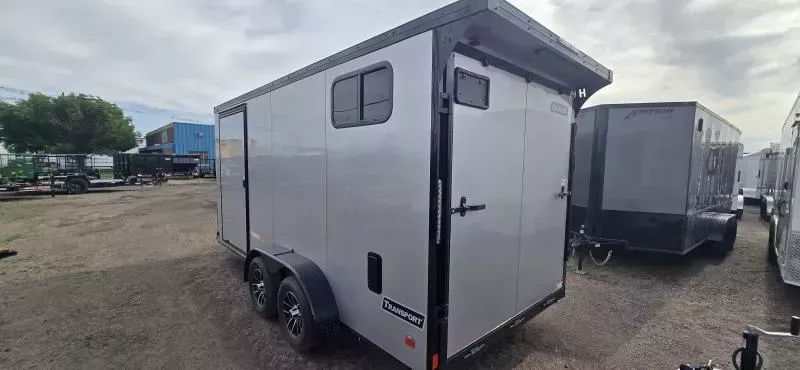
Final Verdict: Is an Owner-Sold Trailer Right for You?
The decision boils down to your expertise, risk tolerance, and goals. If you have the knowledge (or a trusted mechanic) to inspect a unit, value transparency over convenience, and want to stretch your capital further, then pursuing a quality owner-sold used semi trailer is undoubtedly the smarter financial move. You gain an unfiltered view of the asset’s history and pay a price closer to its true market value. For the informed buyer, this path offers the most direct route to a valuable, reliable piece of equipment that will serve your business for years to come.
Frequently Asked Questions (FAQs)
Q: What is the single biggest risk when buying from an owner, and how do I avoid it?
A: The biggest risk is undisclosed structural or major mechanical issues. Avoid it by insisting on a professional pre-purchase inspection. The $200-$500 cost is invaluable insurance against a $10,000 repair.
Q: How can I verify the VIN and ensure there’s no outstanding loan on the trailer?
A: Before payment, request the VIN and run a check through the National Motor Vehicle Title Information System (NMVTIS) or a reputable commercial vehicle history service. You can also check directly with your state’s DMV for lienholder information.
Q: Are there specific years or models of used semi trailers known for exceptional longevity?
A> While build quality varies, trailers from major manufacturers like Great Dane, Utility, and Wabash National generally have strong reputations for durability. According to a 2022 maintenance survey by the American Transportation Research Institute (ATRI), trailer structural issues accounted for less than 8% of total repair costs for well-maintained units from these brands, highlighting their long-term reliability when cared for properly.
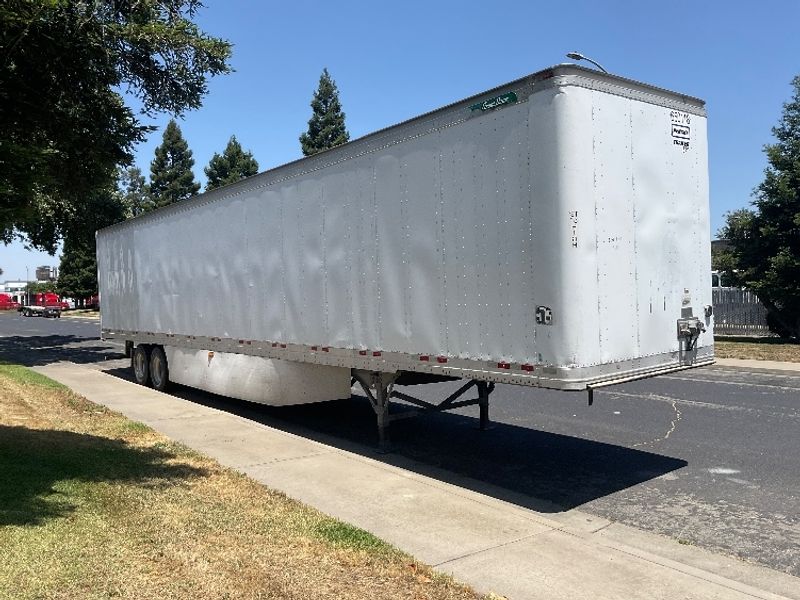
Q: I found a great owner-sold trailer, but I need financing. Is that possible?
A> Yes, but it’s different from dealer financing. You’ll need to secure a loan independently through a bank, credit union, or specialized transportation lender. They will treat it like an asset purchase and will require the trailer’s details and your credit information.
Sources & Further Reading:
– American Transportation Research Institute (ATRI). (2022). An Analysis of the Operational Costs of Trucking. Retrieved from https://truckingresearch.org/2022/10/04/operational-costs-of-trucking-2022/
– National Motor Vehicle Title Information System (NMVTIS). For Consumers. U.S. Department of Justice. Retrieved from https://www.vehiclehistory.gov/